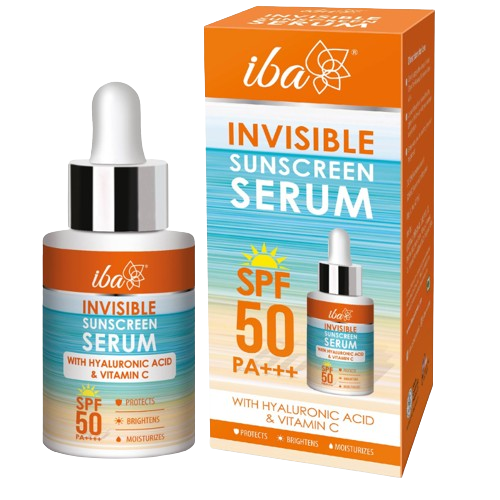

Most of us dutifully check the SPF number before buying a sunscreen - but there is a second number on the label that deserves just as much attention: the PA rating. If your sunscreen says PA+++ or PA++++ next to the SPF, those plus signs are telling you something important about how well your skin is protected from the sun's most damaging rays.
This guide breaks down exactly what PA rating means, how to read the plus-sign scale, why it matters for Indian skin, and how to choose the right PA level for your lifestyle.

What Is PA Rating in Sunscreen?
PA stands for Protection Grade of UVA. It is a rating system developed in Japan to measure how effectively a sunscreen blocks UVA rays.
PA rating measures UVA protection. More plus signs ('+') means stronger protection. PA+ is the lowest level; PA++++ is the highest available.
UVA rays are the longer-wavelength ultraviolet rays that penetrate deep into the dermis - the skin's second layer. Unlike UVB rays, which primarily cause sunburn on the skin's surface, UVA rays work silently over years, breaking down collagen and elastin, causing dark spots, and accelerating visible ageing.
The PA system is based on a laboratory test called the Persistent Pigment Darkening (PPD) method, which measures how much UVA a formulation can block before the skin begins to darken.
The PA Rating Scale Explained
The PA scale runs from PA+ (lowest) to PA++++ (highest), with each level corresponding to a PPD value range:
| PA Rating | PPD Value | UVA Protection Level | Best For |
|---|---|---|---|
| PA+ | 2–4 | Basic protection | Minimal / indoor use |
| PA++ | 4–8 | Moderate protection | Daily commute, casual outdoor |
| PA+++ | 8–16 | High protection | Extended outdoor activities |
| PA++++ | 16+ | Maximum protection | Intense sun, sensitive / pigmented skin |
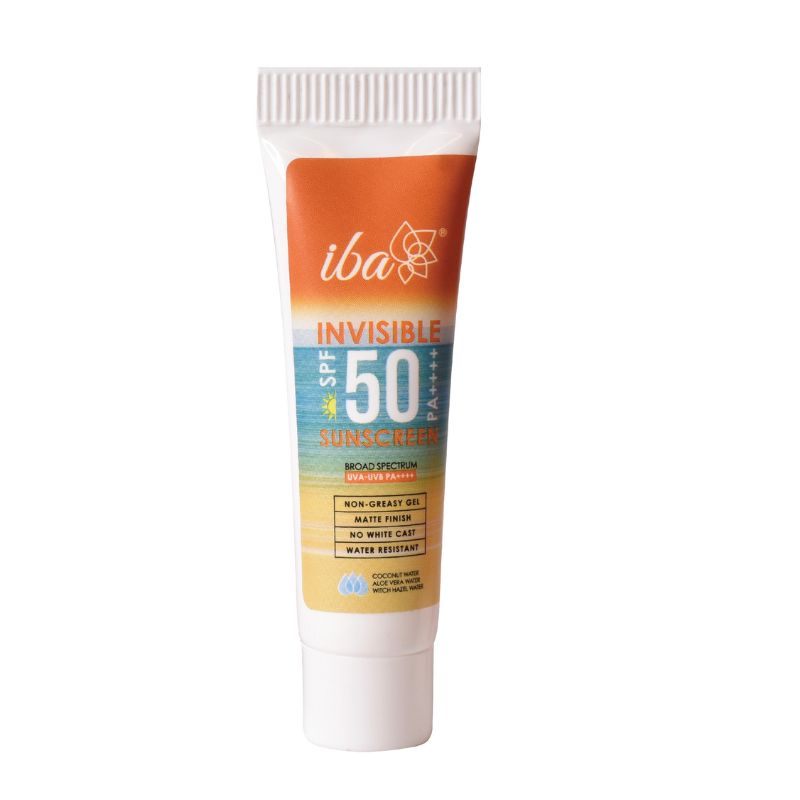
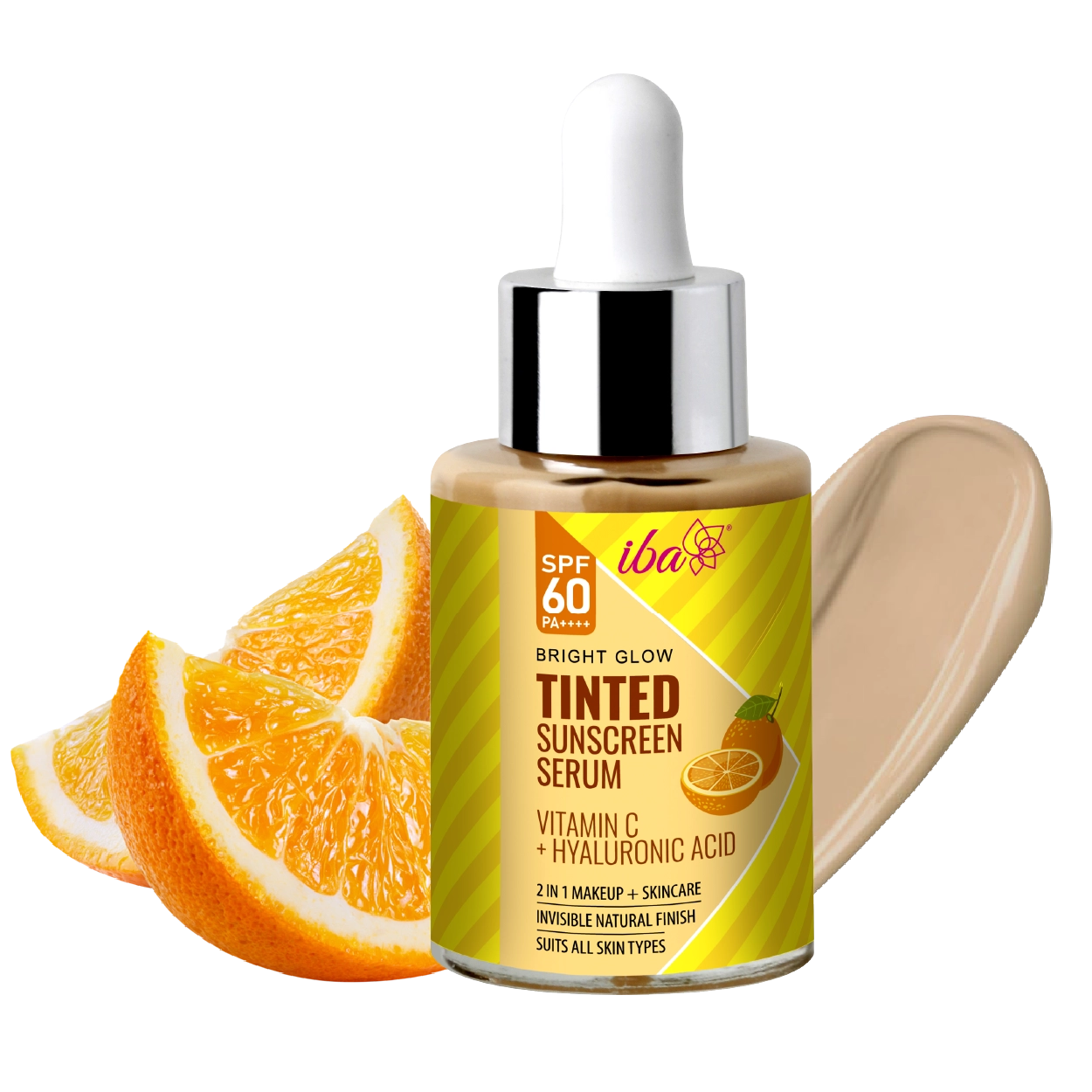
In practice: most daily-use sunscreens in India are rated PA+++ or PA++++. Iba's sunscreen range - including the Invisible Sunscreen SPF 50 and the Bright Glow Tinted Sunscreen Serum SPF 60 - carry a PA++++ rating, the maximum available.
SPF vs PA: What Is the Difference?
SPF and PA work together but measure two completely different threats. To understand more about how SPF numbers compare, see our guide on SPF 30 vs SPF 50.
| Feature | SPF | PA Rating |
|---|---|---|
| Protects against | UVB rays (sunburn) | UVA rays (ageing, pigmentation) |
| Measured by | Sun Protection Factor | Persistent Pigment Darkening (PPD) |
| Rating system | Numbers (15, 30, 50, 100) | Plus signs (PA+, PA++, PA+++, PA++++) |
| Effect prevented | Sunburn, redness | Wrinkles, dark spots, deep DNA damage |
| Origin | International standard | Japan (now used globally) |
| Usage | Required on all sunscreens | Increasingly common on Indian brands |
A sunscreen with both a high SPF and a high PA rating gives broad-spectrum protection - meaning it shields your skin from burning (UVB) and from the deeper, slower damage caused by UVA rays. Always look for both ratings on the label.

Is PA++++ Better Than PA+++?
Yes. PA++++ offers stronger UVA protection than PA+++ because it has a PPD value of 16 or above, compared to 8–16 for PA+++. For intense outdoor conditions, sensitive skin, or hyperpigmentation concerns, PA++++ is the more effective choice.
For everyday use - commuting, working indoors near windows, or brief outdoor errands - PA+++ provides solid protection. But if you spend extended time in the sun, exercise outdoors, or have skin that is prone to darkening or pigmentation, upgrading to PA++++ is worthwhile.
What Does SPF 50 PA++++ Mean?
When a sunscreen is labelled SPF 50 PA++++, it means:
- SPF 50: Blocks approximately 98% of UVB rays, significantly reducing the risk of sunburn.
- PA++++: Provides the maximum available level of UVA protection - at least 16 times the protection compared to no sunscreen.
Together, SPF 50 PA++++ is one of the highest protection combinations available. It is ideal for extended outdoor activities, beach days, or for anyone with sensitive, fair, or pigmentation-prone skin.
Iba's Invisible Sunscreen SPF 50 PA++++ and Bright Glow Tinted Sunscreen Serum SPF 60 PA++++ both meet this high-protection standard - while being halal-certified, vegan, and free from parabens, sulphates, and alcohol.
Why PA Rating Matters for Indian Skin
India receives some of the highest ultraviolet radiation in the world. During summer months, the UV index regularly reaches 9 to 11 in most cities - classified as "Very High" to "Extreme" by the World Health Organisation. In these conditions, UVA exposure is intense and persistent.
For Indian skin, the most common UV-related concerns are not sunburn but:
- Hyperpigmentation and melasma - UVA triggers melanin production, worsening dark patches
- Post-inflammatory hyperpigmentation (PIH) - darkening of acne marks and blemishes with sun exposure
- Premature ageing - UVA destroys collagen faster in skin exposed to intense, year-round UV
- Uneven skin tone - cumulative UVA damage creates patchy pigmentation over time
These are UVA-driven concerns, not UVB. This is why PA rating - not SPF alone - is critical for Indian skincare. A PA+++ or PA++++ sunscreen used every day is the most effective preventive step for these conditions.
PA+++ Good for Indian Skin?
Yes - PA+++ is a good baseline for daily use. However, given India's year-round UV intensity and the prevalence of hyperpigmentation in Indian skin, PA++++ is the recommended choice for anyone spending meaningful time outdoors or managing pigmentation concerns.

How to Choose the Right PA Rating
Match your PA level to your lifestyle:
| Your Situation | Recommended PA | Why |
|---|---|---|
| Office work, minimal outdoor exposure | PA+++ minimum | Daily commute still exposes skin to UVA through windows |
| Regular outdoor commuting | PA+++ or PA++++ | India's UV index warrants high protection |
| Extended outdoor activities | PA++++ | Prolonged UVA exposure calls for high, consistent protection |
| Acne-prone or oily skin | PA++++ (gel formula) | Iba Invisible Sunscreen is non-greasy, lightweight, matte |
| Hyperpigmentation / dark spots | PA++++ | UVA is the primary driver of pigmentation |
| Sensitive skin | PA++++ (mineral formula) | High UVA protection with gentle, nourishing ingredients |
| Makeup wearers | PA++++ (tinted serum) | Iba Tinted Serum SPF 60 combines coverage + PA++++ |
How Long Does PA++++ Protection Last?
PA++++ does not last all day. Sunscreen - regardless of its PA rating - should be reapplied every 2–3 hours during outdoor exposure. PA++++ describes the level of UVA protection, not the duration.
Even the best PA++++ sunscreen degrades with sweat, heat, and physical contact. For a detailed walkthrough, read our guide on how to apply sunscreen correctly. Tips to maximise protection:
- Apply 15–20 minutes before going outside so the formula bonds to skin properly.
- Reapply every 2–3 hours, especially in high UV conditions or after sweating. Learn how much sunscreen to apply for proper coverage.
- Use the 3 finger rule: apply sunscreen along the full length of three fingers - roughly 1/4 teaspoon - for the face alone. Most people underapply and receive only a fraction of the rated protection.
- Water-resistant formulas (like Iba's Invisible Sunscreen) maintain protection for up to 80 minutes in water, but reapplication after swimming remains necessary.
Best PA++++ Sunscreens from Iba
All three Iba sunscreens below carry a PA++++ rating and are halal-certified, vegan, and free from parabens, sulphates, and alcohol. Explore the full Iba Sunscreen Collection to find the right match for your skin type.
| Product | SPF / PA | Best For |
|---|---|---|
| Iba Invisible Sunscreen SPF 50 PA++++ | SPF 50 PA++++ | Oily / combination skin, matte finish, daily use, water-resistant |
| Iba Bright Glow Tinted Sunscreen Serum SPF 60 PA++++ | SPF 60 PA++++ | Makeup wearers, pigmentation-prone, brightening with Vitamin C |
| Iba Invisible Sunscreen Serum SPF 50 PA++++ | SPF 50 PA++++ | Dry / normal skin, brightening with Vitamin C, serum texture |
The Bottom Line
PA rating is the missing half of your sunscreen label. SPF tells you how well you're protected from burning - PA tells you how well you're protected from ageing, pigmentation, and deep skin damage.
For Indian skin and Indian sun conditions, look for PA+++ as a minimum for daily use and PA++++ for any real outdoor exposure. Pair it with a strong SPF and reapply every 2–3 hours, and your skin has genuine broad-spectrum sun protection - not just from sunburn, but from the sun's most damaging long-term effects.
Iba recommends
Look for both SPF 50+ and PA++++ on your sunscreen label for complete, daily broad-spectrum protection. All Iba sunscreens meet this standard - clean, halal, and vegan.
Frequently Asked Questions
What does SPF 50 PA++++ mean?
SPF 50 PA++++ means the sunscreen blocks approximately 98% of UVB rays (preventing sunburn) and provides the maximum available UVA protection. Together, these ratings deliver the highest broad-spectrum coverage in standard sunscreen formulations.
How much PA is good in sunscreen?
PA+++ is a strong choice for daily urban use in India. PA++++ is recommended for outdoor activities, sports, beach exposure, or if you have sensitive skin or hyperpigmentation concerns. In regions with a UV index above 8 - common across India from March to October - PA++++ is advisable for anyone spending meaningful time outside.
Is PA++++ sunscreen better than PA+++?
Yes. PA++++ (PPD 16+) offers stronger UVA protection than PA+++ (PPD 8–16). For most everyday office-based routines, PA+++ is adequate. For outdoor activities or pigmentation concerns, PA++++ is the more effective choice.
Is PA+++ good for Indian skin?
PA+++ is effective for daily indoor-to-outdoor use. Given India's high UV index and Indian skin's tendency towards hyperpigmentation and melasma, PA++++ is the preferred option for anyone spending extended time outdoors or managing pigmentation.
How long does PA++++ last?
PA++++ protection does not last all day. Sunscreen should be reapplied every 2–3 hours regardless of PA rating. PA++++ indicates the strength of UVA protection, not its duration.
What is the 3 finger rule for sunscreen?
The 3 finger rule means dispensing sunscreen across the full length of three fingers (index, middle, ring) - approximately 1/4 teaspoon or 1.5 ml - for the face alone. Clinical SPF and PA testing uses this quantity; applying less means receiving significantly less than the rated protection.
Do I need PA rating if I stay indoors?
Yes. UVA rays penetrate glass and clouds. Sitting near a window or driving exposes skin to UVA radiation throughout the day, even without direct sunlight. Daily sunscreen with at least PA+++ protects against this cumulative indoor UVA exposure.
Are Iba sunscreens PA++++?
Yes. All three Iba sunscreens - Invisible Sunscreen SPF 50, Bright Glow Tinted Sunscreen Serum SPF 60, and Invisible Sunscreen Serum SPF 50 - carry a PA++++ rating. They are also halal-certified, PETA-certified vegan, alcohol-free, paraben-free, and sulphate-free.