
Let's be honest, most of us just slap on sunscreen and call it a day. A quick dab here. A hurried rub there. And we're out the door. Studies show that most people apply only 25-50% of the recommended amount of sunscreen. When you skimp on product, the actual SPF protection drops by half or more.
But what if that casual approach is doing more harm than good?
What happens when you apply sunscreen incorrectly:
- Your skin remains vulnerable to UV damage
- Premature aging sets in faster
- Stubborn dark spots appear out of nowhere
- You get a false sense of security
Applying sunscreen isn't just another box to tick in your morning routine. The way you apply it makes all the difference. Actual protection versus just going through the motions.
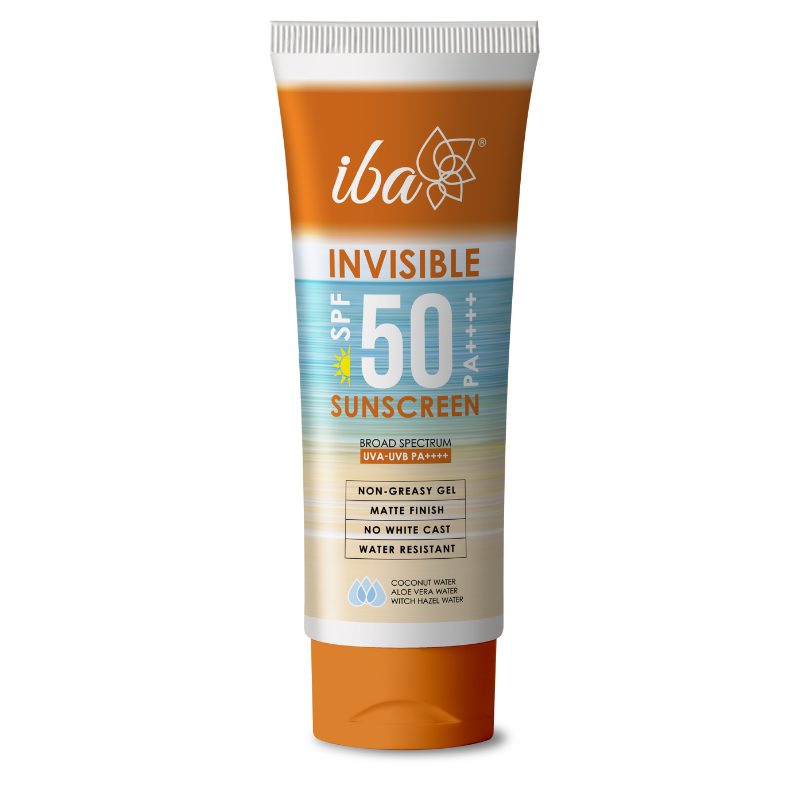
Whether you're stepping out for grocery shopping or heading to the beach, your skin needs proper sun protection. And when you're using quality formulas like Iba's vegan sunscreens, knowing the right application technique helps you get the most out of every drop.
Step-by-Step Guide: How to Apply Sunscreen on Your Face
Step 1: Start with Clean, Dry Skin
Wash your face with your regular cleanser and pat it completely dry. Applying sunscreen on damp skin dilutes the formula and reduces its effectiveness.
If you use toner or serum, let them absorb fully before moving to the next step.
Step 2: Moisturize First (If Needed)
If you have dry or combination skin, apply your regular moisturizer and give it a minute to sink in.
For those with oily skin, you can skip this step and go straight to sunscreen, especially if you're using a hydrating formula.
Step 3: Measure the Right Amount
Here's where most people get it wrong. For your face alone, you need about half a teaspoon of sunscreen. That's roughly the length of two fingers placed side by side.
It might seem like a lot, but using less means you're not getting the SPF protection listed on the bottle.
Step 4: Dot It on Key Areas
Instead of squeezing sunscreen into your palm and smearing it everywhere, place small dots on:
- Forehead
- Both cheeks
- Nose
- Chin
This method helps you distribute the product evenly across your face.

Step 5: Blend Gently and Thoroughly
Using your fingertips, gently pat and press the sunscreen into your skin. Don't rub vigorously. Use upward, outward motions to spread the product evenly. Take your time with this step, about 60 seconds should do it.
Step 6: Cover the Forgotten Spots
Pay special attention to areas people often miss:
- Around your eyes (but not directly on eyelids unless the product is ophthalmologist-tested)
- Sides of the nose
- Ears and behind the ears
- Hairline
- Neck and jawline
Step 7: Wait Before Stepping Out
Give your sunscreen at least 15 minutes to absorb and form a protective barrier before you go outside. If you head out immediately, you risk the product rubbing off or not binding properly to your skin.
Step 8: Reapply Throughout the Day
No sunscreen lasts all day. Reapply every 2 to 3 hours, especially if you're:
- Spending extended time outdoors
- Sweating
- Touching your face frequently
- Washing your hands and touching your face afterward
Common Mistakes Beginners Make
-
Using Too Little Product
Skimping on sunscreen is the number one mistake. You need adequate coverage to get the SPF protection advertised. -
Skipping Cloudy Days
Up to 80% of UV rays can penetrate clouds. Rain or shine, your skin needs protection. -
Forgetting to Reapply
Morning sunscreen doesn't protect you all day. Set a phone reminder if you need to. -
Rubbing Instead of Patting
Aggressive rubbing can break down the sunscreen's protective film and irritate sensitive skin.
Choosing the Right Sunscreen for Your Skin
Not all sunscreens work the same way for everyone. When picking a face sunscreen, look for:
|
Feature |
Why It Matters |
|
Broad-spectrum protection |
Shields against both UVA and UVB rays |
|
SPF 50 or higher |
Offers strong protection, especially in sunny climates |
|
Lightweight texture |
Won't feel heavy or greasy on your face |
|
Non-comedogenic |
Won't clog pores or cause breakouts |
|
Free from harsh chemicals |
Gentle on sensitive skin |

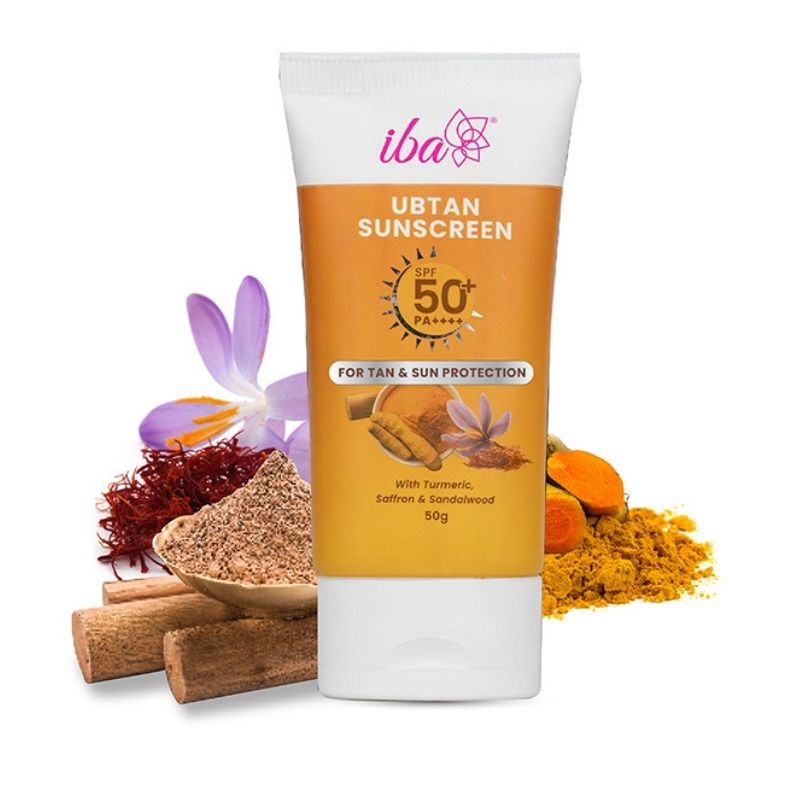
Iba Ubtan Sunscreen SPF 50 PA++++ checks all these boxes. Infused with turmeric, saffron, and sandalwood extracts, it not only protects against sun damage but also works to reduce tanning and give your skin a natural glow. Since it's halal-certified and vegan, you know you're putting clean, plant-based ingredients on your face.
Conclusion
Sunscreen is your skin's best friend, but only if you apply it correctly. Slathering it on in a rush won't cut it. Following the right steps, using enough product, and reapplying throughout the day makes all the difference between protected skin and preventable damage.
When you pair proper application with a quality sunscreen like Iba Ubtan Sunscreen SPF 50, you're not just blocking UV rays. You're nourishing your skin with natural ingredients and building healthier habits for the long run.
Ready to upgrade your sun protection game? Check out Iba Cosmetics' latest offers and give your skin the care it truly deserves.
Frequently Asked Questions
How much sunscreen should I use on my face?
Use at least half a teaspoon for your face alone. If you're covering your neck and ears, you'll need a bit more.
Can I mix sunscreen with my moisturizer?
No. Mixing dilutes the sunscreen and reduces its effectiveness. Always apply them as separate layers.
Should I wear sunscreen indoors?
Yes, especially if you sit near windows or use devices with screens for long hours. UV rays can penetrate glass.
How often should I reapply sunscreen?
Reapply every 2 to 3 hours when you're outdoors, and immediately after sweating or washing your face.
Can sunscreen cause breakouts?
Heavy, greasy formulas can clog pores. Choose a lightweight, non-comedogenic sunscreen designed for your skin type.