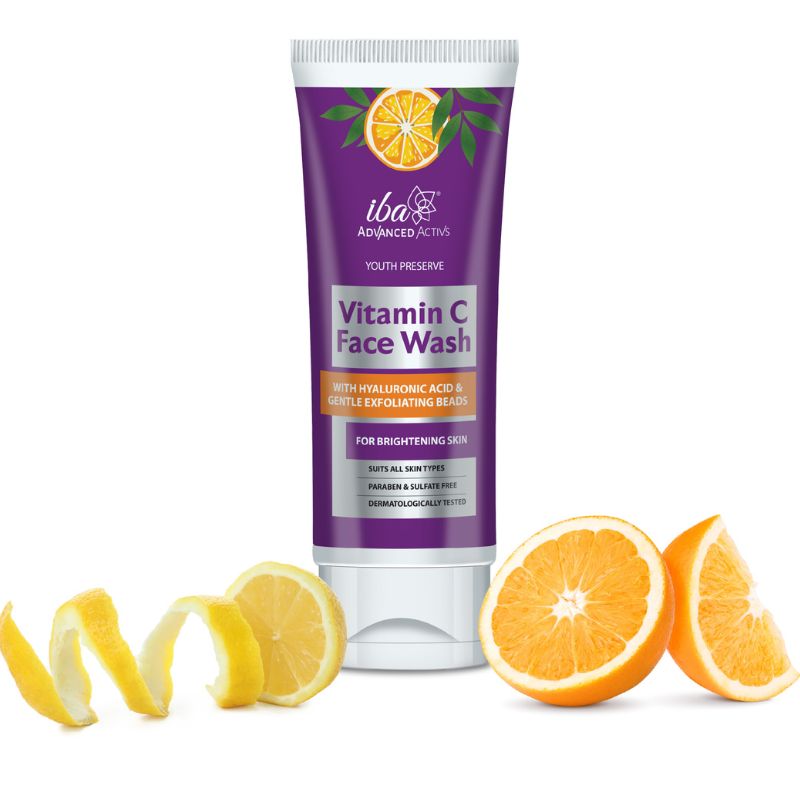

Do you wash your face every day but still deal with breakouts, dullness, or that annoying oily feeling by noon? You are not alone. A lot of people use face wash regularly, but skip the small details that actually make it work.
Knowing how to use face wash the right way can change how your skin looks and feels within weeks. And no, it is not just about lathering up and rinsing off. The right technique, timing, and water temperature all play a role. Here are the correct face cleansing steps so your cleanser can do its job.
Why Proper Face Washing Matters
Using a face wash is already a great habit, but the technique matters just as much as the product itself. Small mistakes during cleansing can affect how your skin behaves throughout the day.
- Scrubbing too hard: Can irritate the skin and damage the natural barrier
- Using hot water: Strips away natural oils and leaves skin dry or tight
- Leaving cleanser on too long: May cause irritation or sensitivity
- Rushing the rinse: Can leave behind dirt, oil, or product residue
Proper face wash use helps remove impurities without disrupting your skin barrier. When done right, cleansing sets the stage for every product that follows, from your toner to your sunscreen.
Step-by-Step: How to Apply Face Wash the Right Way
Here are the correct face clean-up steps, broken down for easy daily use:
Step 1: Wash Your Hands First
Before touching your face, make sure your hands are clean. Dirty hands transfer bacteria and oil directly onto your skin, which can clog pores and trigger breakouts.
Step 2: Wet Your Face with Lukewarm Water
Splash your face gently with lukewarm water. Avoid hot water, as it strips away natural moisture. Cold water, while refreshing, does not open up pores enough for a deep cleanse.
Step 3: Take a Small Amount of Cleanser
A coin-sized amount is enough for most face washes. Rub it between your palms to create a light lather before applying it to your skin. For a face wash with gel or foam texture, a little goes a long way.

Step 4: Massage Gently in Circular Motions
Apply the lather to your face using soft, upward circular motions. Focus on the forehead, nose, chin, and cheeks. Be extra gentle around the eye area, and avoid scrubbing aggressively.
Step 5: Rinse Thoroughly
Rinse off all the cleanser using lukewarm water. Make sure no residue is left behind, especially around the jawline, hairline, and sides of the nose.
Step 6: Pat Dry with a Clean Towel
Never rub your face dry. Pat gently with a soft, clean towel to avoid friction and irritation.
Step 7: Follow Up with Your Routine
Apply your toner, serum, and moisturizer while your skin is still slightly damp. Damp skin absorbs products better, which means you get more out of every step in your routine.
How to Wash Your Face Based on Skin Type
Not every skin type needs the same approach. Here is a quick guide to adjusting your face cleansing steps based on what your skin needs:
|
Skin Type |
Best Cleanser Type |
Key Tip |
|
Oily |
Gel or foam-based |
Wash twice a day, focus on the T-zone |
|
Dry |
Cream or milk-based |
Avoid foaming cleansers that strip moisture |
|
Sensitive |
Fragrance-free, gentle formula |
Use minimal pressure, rinse with cool water |
|
Combination |
Gel-based or micellar |
Cleanse the oily T-zone more thoroughly |
|
Acne-prone |
Salicylic acid or green tea-based |
Avoid over-washing, which can worsen breakouts |
For oily or acne-prone skin, a cleanser with green tea or salicylic acid helps control excess oil without drying out the skin. For skin that needs glow and tan removal, a cleanser with natural ubtan ingredients like turmeric and saffron can be a great daily option.
Common Face Washing Mistakes to Avoid
Even with the right product, small errors can hold your skin back. Here are some common ones:
- Washing too often: Twice a day is enough for most skin types. Over-cleansing triggers more oil production.
- Using water that is too hot: Hot water feels soothing, but dries out the skin quickly. Stick to lukewarm.
- Skipping the neck: Your neck collects just as much dirt and oil as your face. Include it in your cleansing routine.
- Rubbing with a rough towel: Always pat dry, never rub.
- Not replacing your towel often enough: A dirty towel reintroduces bacteria to freshly cleaned skin.
Final Thoughts
Knowing how to properly wash your face might seem basic, but getting the technique right makes a real difference over time. Clean skin absorbs serums, moisturizers, and sunscreen better, which means every product in your routine works harder for you.
If you are building or upgrading your skincare routine on a budget, the Iba Cosmetics Coupon Codes Page has offers on cruelty-free skincare essentials.
Frequently Asked Questions
Q. What is the correct way to use face wash?
Wet your face with lukewarm water, apply a coin-sized amount of cleanser, massage gently for 30–60 seconds, rinse thoroughly, and pat dry with a clean towel.
Q. What is the 4 2 4 rule in skincare?
The 4-2-4 rule involves massaging an oil cleanser for 4 minutes, washing with a face cleanser for 2 minutes, and rinsing for 4 minutes with lukewarm water.
Q. What are the 7 steps of facial cleansing?
A full facial cleansing routine typically includes: removing makeup, cleansing with a face wash, exfoliating (2 to 3 times per week), toning, applying serum, moisturizing, and applying sunscreen during the day.
Q. How long should you leave face wash on your face?
About 30 to 60 seconds is ideal. Leaving a cleanser on too long can irritate or dry out the skin. A gentle circular massage for under a minute gives the product enough time to lift dirt and oil.
Q. How many times should you wash your face in a day?
Most dermatologists recommend washing your face twice a day, once in the morning and once at night. People with very oily skin may cleanse after heavy sweating as well.
Q. Can using face wash too often damage the skin?
Yes. Over-washing can strip natural oils and disrupt the skin barrier, which may lead to dryness, irritation, or excess oil production.