
So you picked up a sunscreen with SPF 50, and you feel fully protected. But here is the catch: SPF only measures protection against one type of UV ray.
The sun sends out two kinds of ultraviolet radiation, UVA and UVB, and each one damages your skin differently. A proper UVA vs UVB sunscreen comparison makes all the difference between partial and complete protection. Once you see how the two rays work, picking the right sunscreen becomes much simpler.
What Are UVA and UVB Rays?
Before jumping into which sunscreen works best, a quick look at what hits your skin outdoors.
UVA rays have longer wavelengths and penetrate deep into the skin, causing premature ageing, tanning, pigmentation, and wrinkles. UVA rays pass through glass windows and clouds, so exposure happens indoors and on overcast days too.
UVB rays have shorter wavelengths and affect the outer skin layer (the epidermis). UVB radiation is the leading cause of sunburn, redness, and direct DNA damage. UVB intensity peaks between 10 AM and 4 PM.
Both types contribute to long-term skin damage, making a sunscreen for UVA and UVB rays essential in every skincare routine.
UVA vs UVB: A Quick Comparison
Here is how UVA and UVB rays differ:
|
Feature |
UVA Rays |
UVB Rays |
|
Wavelength |
Long (320-400 nm) |
Short (280-320 nm) |
|
Skin Penetration |
Deep (dermis) |
Surface (epidermis) |
|
Primary Damage |
Ageing, pigmentation, tanning |
Sunburn, redness, DNA damage |
|
Passes Through Glass? |
Yes |
No |
|
Present Year-Round? |
Yes, even on cloudy days |
Strongest in summer, peak hours |
|
SPF Protection? |
Limited (SPF measures UVB only) |
Yes |
SPF alone does not cover UVA, and UVA is present all year round.
What Does SPF Actually Measure?
Most sunscreen labels display SPF numbers prominently. SPF, or Sun Protection Factor, measures protection against UVB rays only.
- SPF 30 blocks roughly 97% of UVB rays
- SPF 50 blocks roughly 98% of UVB rays
The gap seems small, but in a high-UV country like India, even 1% matters daily. Higher SPF does not mean double the protection, so reapplication matters more than chasing bigger numbers.
What Does Broad-Spectrum Sunscreen Mean?
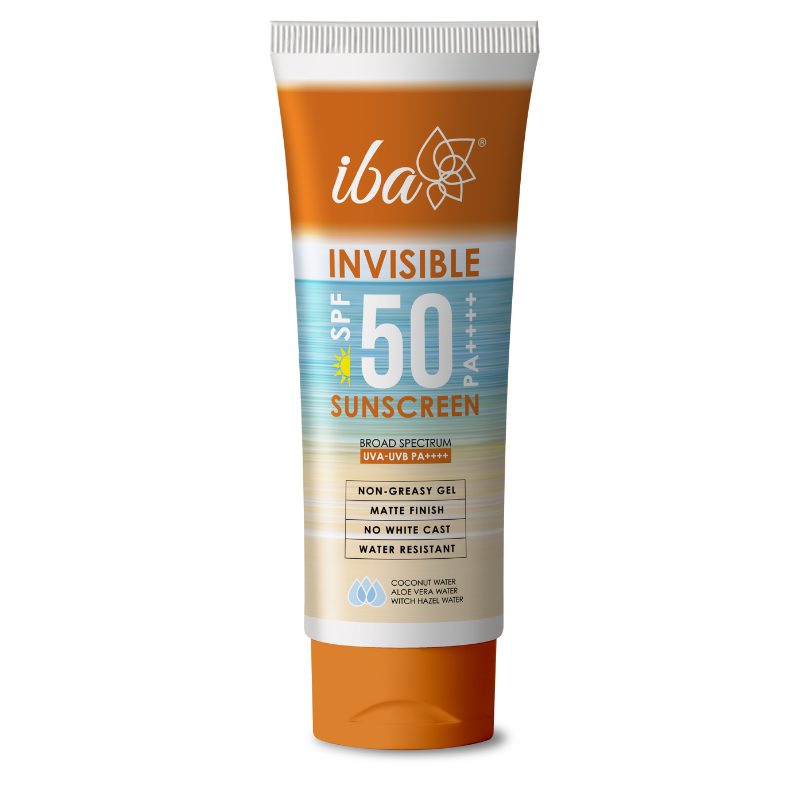
A UVA UVB sunscreen is commonly labelled "broad spectrum," meaning the formula protects against both UVA and UVB radiation.
When shopping for a sun protection product, look for two things on the label:
- Broad Spectrum: Confirms coverage against both UVA and UVB
- PA Rating: A Japanese-origin system that specifically measures UVA protection
PA Rating Breakdown
|
PA Rating |
UVA Protection Level |
|
PA+ |
Some UVA protection |
|
PA++ |
Moderate UVA protection |
|
PA+++ |
High UVA protection |
|
PA++++ |
Highest UVA protection |
Dermatologists typically recommend at least SPF 30 with PA+++ or higher for daily use, especially in Indian weather. A sunscreen without a PA rating may leave your skin exposed to the stronger, ageing effects of UVA.
How to Choose the Right Sunscreen for Your Skin Type
Picking the best sunscreen for UVA and UVB rays goes beyond SPF and PA ratings. The formula should match your skin type.
- Oily and Acne-Prone Skin: Look for gel-based invisible sunscreen; it is non-comedogenic and oil-free. Lightweight textures absorb quickly without clogging pores.
- Dry Skin: Go for a hydrating, serum sunscreen with hyaluronic acid, glycerin, or ceramides. A good moisturizer paired with a hydrating sunscreen keeps skin nourished and protected.
- Sensitive Skin: Mineral sunscreens with zinc oxide or titanium dioxide reflect UV rays instead of absorbing radiation, making mineral formulas gentler and less irritating.
Common Sunscreen Mistakes to Avoid
Even the best UVA UVB sunscreen won't perform well with poor application habits.
- Skipping sunscreen on cloudy days. UVA rays penetrate clouds and glass. Your skin stays exposed even when the sun isn't visible.
- Not reapplying. Sunscreen breaks down with sweat and sun exposure. Reapply every two hours, especially after swimming or heavy sweating.
- Using too little product. Follow the two-finger rule: squeeze sunscreen along your index and middle finger from tip to base for the face and neck.
- Ignoring UVA protection. SPF only covers UVB. Always check for broad-spectrum labelling and a PA+++ rating or higher.
Building a Complete Sun-Safe Routine
Sun protection works best as part of a daily routine. Pairing a broad-spectrum sunscreen with a gentle face wash, a nourishing serum, and a hydrating body lotion keeps skin healthy and resilient.
Apply sunscreen as the last step in your skincare routine, after moisturiser and before makeup. Reapplication during the day remains non-negotiable for anyone spending time outdoors.
The Bottom Line
Choosing between UVA vs UVB sunscreen was never really the question. Your skin needs protection from both. UVA causes long-term ageing, tanning, and pigmentation. UVB causes sunburn and surface-level damage. A broad-spectrum formula with SPF 30+ and PA+++ or above covers all the bases.
Make sun protection a daily habit. And for great savings on your next skincare haul, check out the Iba Cosmetics Coupon Codes Page for the latest offers and deals.
FAQs
Is SPF 50 much better than SPF 30?
SPF 50 blocks about 98% of UVB rays versus 97% with SPF 30. The margin is small, so proper application and regular reapplication matter more than the number.
Do I need sunscreen when I am indoors?
Yes. UVA rays pass through glass windows and clouds. Sitting near a window means your skin is still exposed to radiation that causes ageing and pigmentation.
What does PA++++ mean on a sunscreen label?
PA++++ indicates the highest available level of UVA protection. More plus signs mean stronger defence against deep-penetrating UVA rays responsible for tanning and premature ageing.
Can a sunscreen for UVA and UVB rays prevent tanning?
A broad-spectrum sunscreen significantly reduces tanning from UVA and UVB exposure. However, no sunscreen blocks 100% of UV rays, so some minimal tanning may still occur.
How often should I reapply sunscreen?
Reapply every two hours when outdoors. After swimming or sweating heavily, reapply immediately. One morning application will not last the whole day.
What is the difference between mineral and chemical sunscreen?
Mineral sunscreens reflect UV rays using zinc oxide or titanium dioxide. Chemical sunscreens absorb UV and convert radiation into heat. Mineral options suit sensitive skin better.
Should I wear sunscreen in winter, too?
Absolutely. UVA rays remain consistent throughout the year, regardless of season. Snow can also reflect UV radiation. Daily sunscreen use in winter matters equally.