
Can you use tinted sunscreen instead of foundation? The short answer is yes, for most everyday situations. A tinted sunscreen gives light coverage, sun protection, and a natural finish all in one step. But whether it can fully replace foundation depends on the coverage needed, the occasion, and the skin type. A quick comparison of tinted sunscreen vs foundation may help settle the debate for good.
What Is a Tinted Sunscreen
A tinted sunscreen is a sun protection product with added colour pigment. Unlike regular sunscreen, a tinted formula evens out the skin tone slightly while blocking UV rays. The coverage is sheer to light, which means it smooths out minor unevenness without masking the skin completely.
A foundation is a colour cosmetic made to cover blemishes, redness, and uneven patches. Foundations come in sheer, medium, and full coverage options, but do not offer built-in sun protection unless a separate SPF is added. The sunscreens available today include both tinted and non-tinted options to suit different preferences.
Tinted Sunscreen vs Foundation at a Glance
The differences between the two come down to coverage, finish, and purpose. The table below breaks it down simply:
|
Feature |
Tinted Sunscreen |
Foundation |
|
Sun protection |
SPF 30-60 built in |
No SPF unless added separately |
|
Coverage |
Sheer to light |
Light to full |
|
Finish |
Natural, skin-like |
Matte, dewy, or satin |
|
Skin feel |
Lightweight |
Can feel heavier |
|
Best for |
Daily wear, minimal makeup |
Events, photos, full-coverage looks |
|
Steps needed |
One product |
Often needs primer + setting |
For anyone weighing tinted sunscreen vs foundation for daily routines, a tinted sunscreen may win on convenience alone.
When Can Tinted Sunscreen Replace Foundation
Tinted sunscreen benefits include a lighter texture, built-in SPF, and fewer steps in the routine. A few scenarios where the swap works well:
Light Outings and Errands
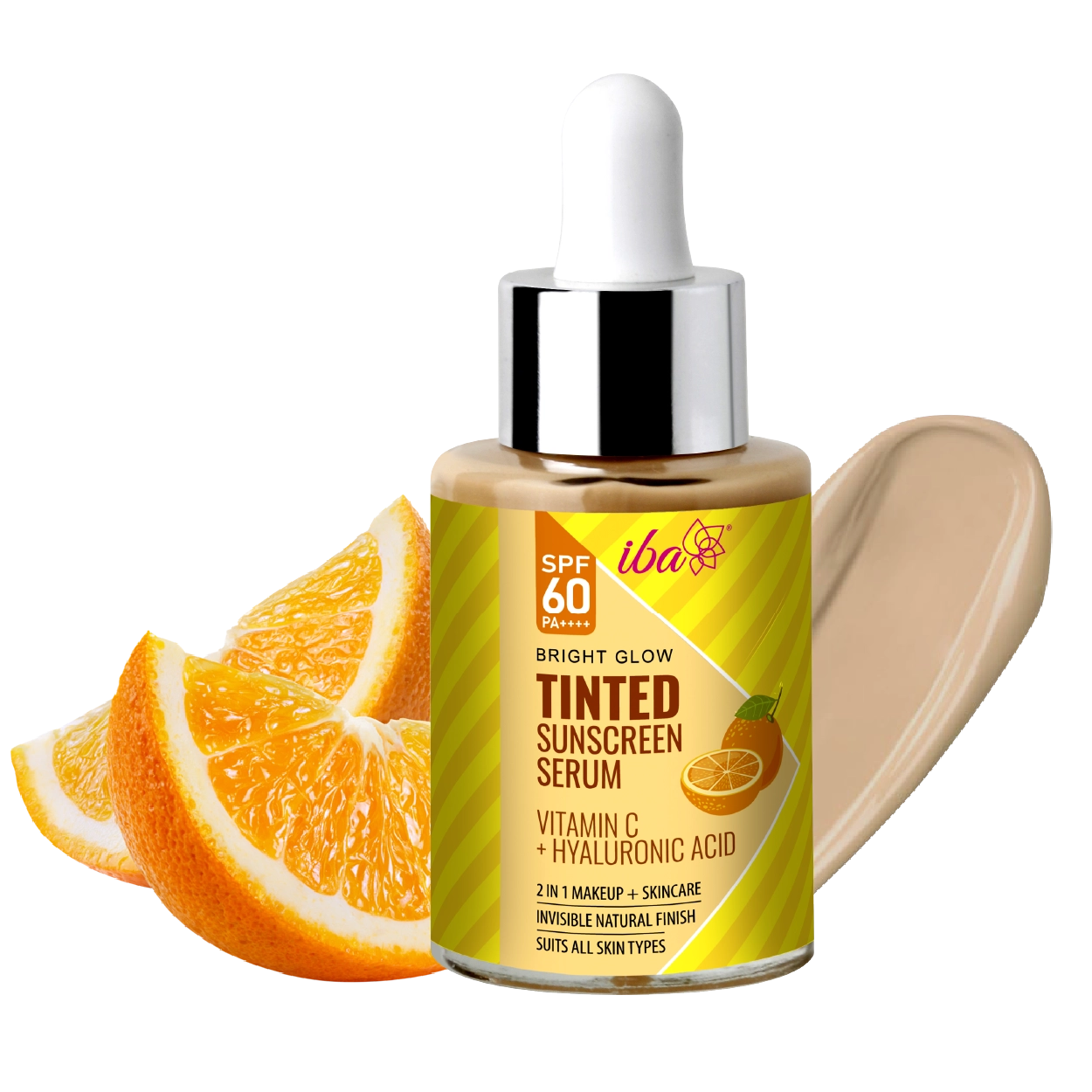
Grocery runs, coffee dates, and casual outings do not need full coverage. A tinted sunscreen serum with SPF 60 may give enough colour correction and sun protection for a quick, polished look without any layering.
Office and Work Days
Tinted sunscreen for daily use at work gives a clean, even-toned base without looking or feeling heavy. Pairing it with a light compact on the T-zone may control shine through the afternoon without adding extra weight.
Hot and Humid Weather
Foundation can feel thick and slide off in Indian summers. A tinted sunscreen sits lighter on the skin and holds up better in heat and humidity. Adding a primer underneath may help it stay smooth even longer on warm, humid days. The lighter formula also means less touch-up throughout the day.
When Foundation Still Makes More Sense
A tinted sunscreen may not be enough for every occasion. Events, weddings, and professional photo shoots usually call for more coverage and staying power that a tinted formula cannot match.
Skin with active acne, deep pigmentation, or scarring may need a medium to full coverage foundation to get an even base.
Spot-treating with a concealer before or after applying tinted sunscreen may also bridge the gap on days that need a little extra coverage without a full foundation layer.
How to Wear Tinted Sunscreen for the Best Finish
Getting the most out of a tinted sunscreen comes down to a few simple steps.
Step 1: Start with clean, moisturised skin.
Step 2: Apply the tinted sunscreen evenly across the face and neck using fingertips or a damp sponge. Two finger-lengths of product may be enough for proper coverage and sun protection.
Step 3: Blend well along the jawline and hairline to avoid visible lines.
Step 4: Set the look with a light dusting of compact powder if the skin leans oily.
For days that need slightly more coverage than a tinted sunscreen alone, a BB cream may serve as a good middle ground between tinted sunscreen and foundation. Reapply sunscreen every two to three hours if spending extended time outdoors.
Less Product, Same Confidence
A good tinted sunscreen gives a natural, even-toned base with built-in sun protection and a lighter feel on the skin. The coverage is sheer, the application is quick, and the skin gets to breathe all day.
Foundation still has its place for heavy-coverage needs and special occasions. But for everyday wear, a tinted sunscreen paired with a compact and concealer may be all the base the skin needs. Visit the Iba Cosmetics Coupon Codes Page for the latest deals on sunscreen and makeup.
FAQs
Can tinted sunscreen fully replace foundation?
For everyday wear with minimal coverage needs, yes. A tinted sunscreen may even out skin tone and protect from UV rays in one step. Heavier coverage needs may still call for a foundation.
Does tinted sunscreen protect as well as regular sunscreen?
Yes. A tinted sunscreen with SPF 30 or higher may offer the same level of UV protection as a regular sunscreen. The added colour pigment does not reduce the sun-blocking ability of the formula.
Can I wear tinted sunscreen every day?
Tinted sunscreen for daily use is safe and may actually benefit the skin by cutting down the number of products applied each morning. Fewer layers mean less chance of clogged pores.
What skin type works best with tinted sunscreen?
Normal, combination, and oily skin types may find tinted sunscreen more comfortable than foundation. Dry skin types may want to apply a moisturizer underneath for a smoother, more hydrated finish.
Can I use concealer with tinted sunscreen?
Yes. Applying concealer on dark circles, blemishes, or redness before or after tinted sunscreen may add targeted coverage without the heaviness of a full foundation layer.
Is tinted sunscreen better than BB cream?
A tinted sunscreen focuses on sun protection with light colour correction. A BB cream leans more toward skincare benefits and slightly more coverage. Both work as lighter alternatives to foundation, depending on the priority.