
Most people grab one bottle of sunscreen and apply it everywhere, from their forehead to their forearms, without a second thought. On a busy morning, using the same product across the entire body feels practical and saves time.
But the skin on your face is structurally different from the skin on your arms, legs, and torso. Facial skin is thinner, more sensitive, and constantly exposed to pollution, sweat, and makeup. So, can you use body sunscreen on your face without any consequences? While body sunscreen will protect facial skin from UV rays in a pinch, using it every day is not ideal. Here is why.
The difference between face and body sunscreen goes beyond branding and packaging. Each formula is designed with a specific skin type and surface area in mind.
Why Face and Body Sunscreens Are Formulated Differently
Facial skin has a higher density of oil glands and is more prone to clogged pores, breakouts, and sensitivity. Body skin, on the other hand, is thicker and more resilient. Sunscreen manufacturers account for these differences in several ways.
Texture and Finish
Face sunscreens tend to have lightweight, gel-based, or serum-based textures that absorb quickly and feel comfortable under makeup. Body sunscreens are usually thicker and more spreadable to cover larger areas efficiently. When you use body sunscreen on your face, the heavier texture may leave skin feeling greasy, especially during humid Indian summers.
Pore-Friendliness
A major part of the difference between face and body sunscreen lies in comedogenicity. Face sunscreens are typically non-comedogenic, meaning they do not block pores. Body sunscreens may contain heavier emollients like coconut esters or shea butter that may trigger acne or congestion on facial skin.
Skincare Ingredients
Face sunscreens often go beyond UV protection. Many include ingredients like niacinamide, hyaluronic acid, or antioxidants that may help with hydration, oil control, or brightening. A good face serum layered underneath can enhance these benefits. Body sunscreens focus primarily on durable UV coverage and water resistance rather than targeted skincare.
Fragrance
Body sunscreens frequently include added fragrance to make the application experience pleasant across larger areas. Face sunscreens tend to be fragrance-free or minimally scented because fragrances may irritate the delicate skin around the eyes and nose.
Here is a quick look at the difference between face and body sunscreen:
|
Feature |
Face Sunscreen |
Body Sunscreen |
|
Texture |
Lightweight, gel or serum-based |
Thicker, cream-based |
|
Pore Safety |
Non-comedogenic |
May clog facial pores |
|
Added Benefits |
Hydration, oil control, brightening |
Focused on UV coverage |
|
Fragrance |
Minimal or none |
Often scented |
|
Water Resistance |
Moderate |
Higher |
|
Packaging Size |
Smaller, travel-friendly |
Larger bottles |
When deciding which sunscreen to use for the face, these factors help narrow down the right formula.
Can You Use Body Sunscreen on Face in an Emergency?
Body sunscreen is always better than no sunscreen at all. If the choice is between applying a body formula on your face or walking out unprotected, always apply the sunscreen. Just be mindful that consistent daily use on the face may contribute to breakouts over time, especially for oily or acne-prone skin.
For everyday use, a dedicated facial sunscreen remains the better choice.
Which Sunscreen to Use for Face: What to Look For
When choosing which sunscreen to use for the face, a few things matter more than the SPF number alone.
A broad-spectrum formula with SPF 50 PA++++ covers both UVA and UVB protection. Lightweight, non-greasy textures suit Indian weather and layer well under makeup. Non-comedogenic formulas keep pores clear and work for all skin types, including oily and sensitive skin.
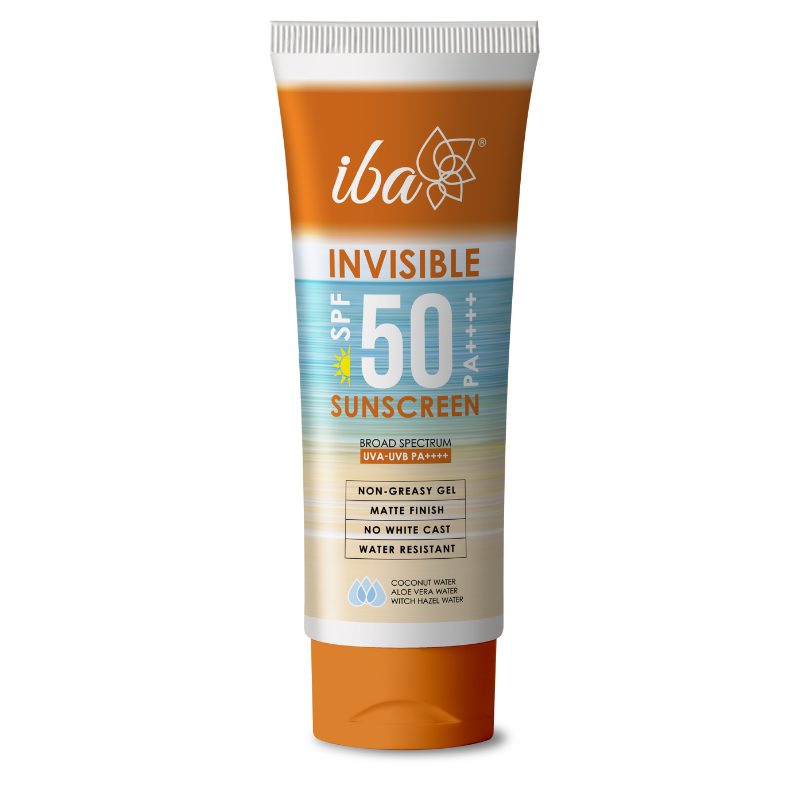
For oily and combination skin, a gel sunscreen with Witch Hazel and Aloe Vera may help absorb excess oil while delivering a matte, invisible finish with zero white cast. Pairing it with a salicylic acid face wash in the morning can help keep pores clean before sunscreen application.
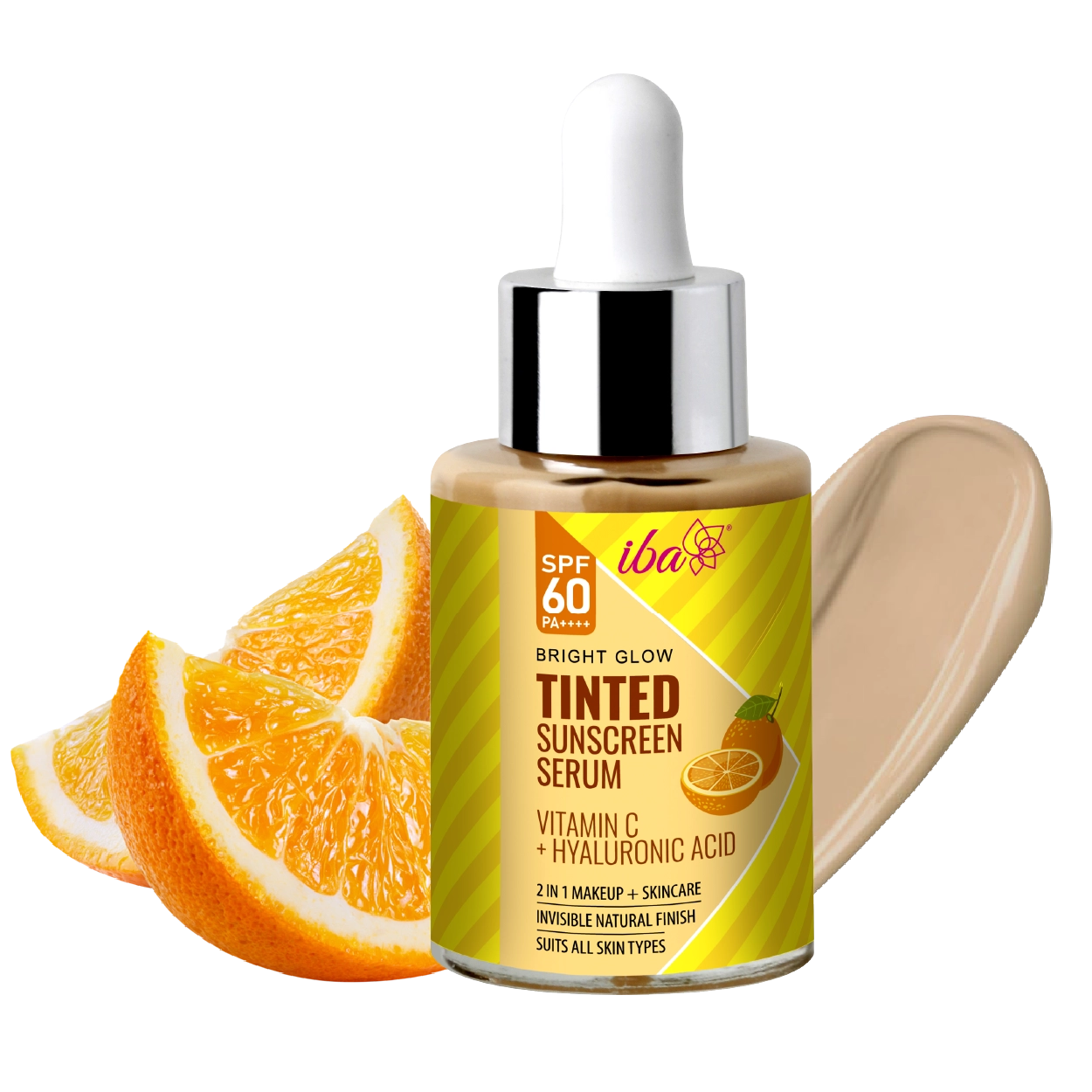
For dry or normal skin that needs hydration alongside sun protection, a tinted sunscreen serum with SPF 60 PA++++ works well. The serum texture provides moisture, a subtle glow, and the highest level of UVA defence.
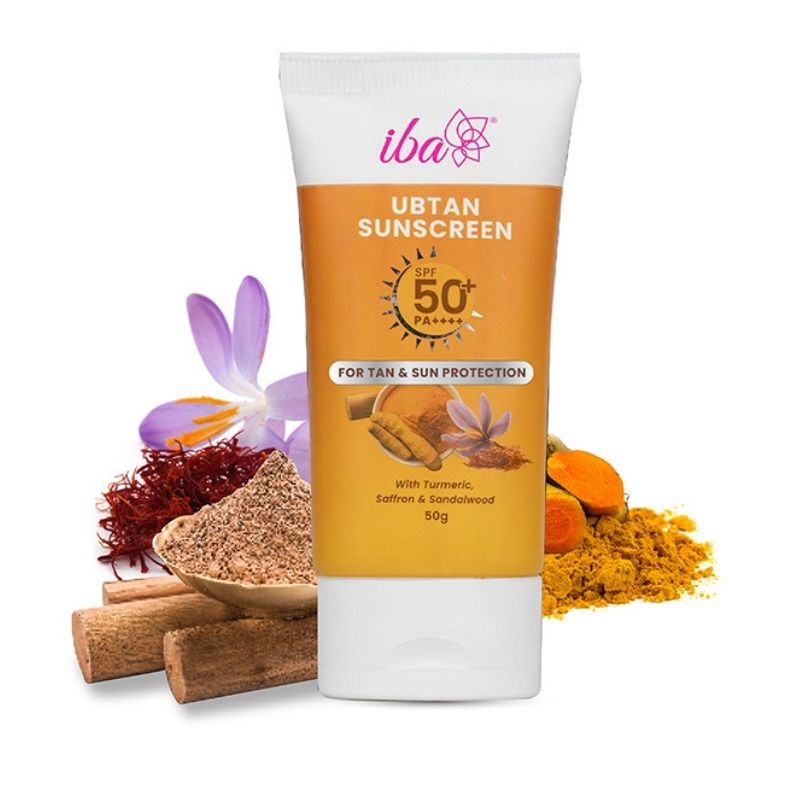
For those who want sun protection along with a natural brightening effect, an ubtan sunscreen infused with turmeric, saffron, and sandalwood may help reduce tanning while offering broad-spectrum coverage.
How to Apply Face Sunscreen Correctly
Even the best face sunscreen falls short if applied incorrectly. Here are the steps you should follow:
- Use two finger-lengths of product for the face and neck.
- Dot it across the forehead, cheeks, nose, and chin, then blend outward gently.
- Apply at least 15 minutes before stepping out and reapply every two to three hours outdoors. After cleansing with a gentle face wash and applying your gel moisturiser
- Sunscreen should be the final step in your morning routine.
Your Face Deserves Its Own SPF
The difference between face and body sunscreen comes down to how each product interacts with the skin it protects. Body sunscreens prioritise durability and coverage. Face sunscreens prioritise comfort, pore safety, and daily wearability. Using the right formula for each area means better protection without compromising skin health.
Check out the latest coupons and offers on Iba sunscreens to upgrade your daily SPF routine.
FAQs
Can you use body sunscreen on your face every day?
Using body sunscreen on the face occasionally is fine, but daily use may clog pores or cause breakouts. Face sunscreens are lighter, non-comedogenic, and better suited for the thinner, more sensitive facial skin.
What is the main difference between face and body sunscreen?
Face sunscreens are lightweight, non-comedogenic, and often include added skincare ingredients. Body sunscreens are thicker, more water-resistant, and built for coverage over larger areas rather than pore safety.
Which sunscreen to use for the face if I have oily skin?
A gel-based, matte-finish face sunscreen with SPF 50 PA++++ works best. Look for non-comedogenic formulas with oil-absorbing ingredients like Witch Hazel or Aloe Vera that may help control shine.
Does face sunscreen provide better UV protection than body sunscreen?
Both offer similar UV protection at the same SPF level. The difference is in texture, pore compatibility, and added skincare benefits, not in the strength of UV defence itself.
Can I use face sunscreen on my body?
Yes, but face sunscreens come in smaller sizes and cost more per gram. Using them on large body areas daily is not practical, so a separate body sunscreen makes more sense.