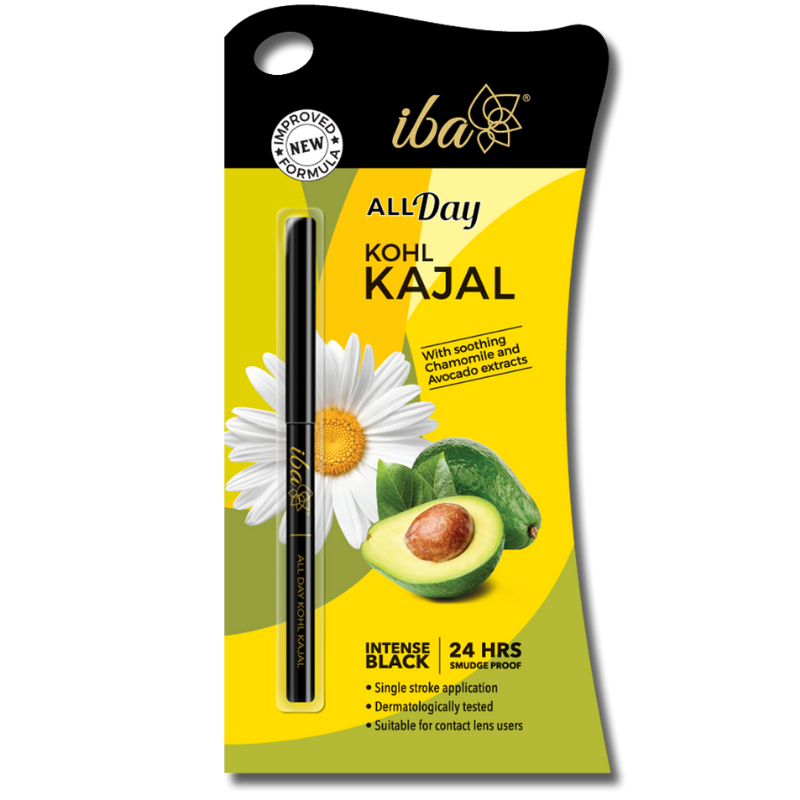

Kajal is one of the most worn cosmetics in India, but it is also one of the most common causes of eye irritation, watering, and redness. For anyone who has had to rub their eyes raw by evening because the kajal stung all day, the problem is not sensitivity itself but the formula.
Most conventional kajals contain ingredients that have no place near the eyes: petroleum-derived carbon black, synthetic preservatives, heavy metals, and fragrances. Choosing the best kajal for sensitive eyes starts with reading labels rather than trusting marketing claims.
Why Sensitive Eyes React to Most Kajals
The skin around the eyes is among the thinnest on the body, with minimal oil glands and a fragile moisture barrier. The tear film reacts quickly to foreign irritants. When kajal applied to the waterline contains synthetic preservatives or petroleum-based pigments, these chemicals dissolve into the tear film and trigger watering, redness, and discomfort.
Knowing which kajal is best for sensitive eyes means knowing what should and should not be in the formula.
What Makes a Kajal Safe for Sensitive Eyes
A well-formulated kajal for sensitive eyes should meet these criteria.
Free from Parabens and Synthetic Preservatives
Parabens are the most common preservatives in conventional eye makeup. While they extend shelf life, they can also trigger allergic reactions on sensitive skin and near the eyes. A paraben-free kajal removes one of the most frequent causes of day-long discomfort.
Enriched with Soothing Natural Ingredients
Look for formulas that include chamomile extract, jojoba oil, avocado extract, or Vitamin E. Chamomile has natural calming properties that may help reduce redness. Jojoba oil conditions the lash line without clogging the waterline. A kohl kajal infused with these ingredients works with the eye area rather than against it.
No Heavy Metals or Petroleum-Derived Pigments
Traditional homemade kajal used natural soot and ghee, but mass-produced formulas often use petroleum-derived carbon black, lead, and nickel instead. A safe kajal should derive its pigment from plant-based or mineral sources free from heavy metal contamination.
Fragrance-Free Formulation
Synthetic fragrances are a leading irritant in eye cosmetics. Any scent added to a kajal formula is unnecessary and adds a potential reaction source. A dermatologist recommended kajal will almost always be fragrance-free.
Waterproof and Smudge-Proof
A formula that smudges forces users to rub the eye area repeatedly, causing more irritation than the kajal itself. A waterproof kajal that stays in place means less contact and friction around the eyes throughout the day.
Ingredients to Avoid on the Label
A quick scan of the ingredient list can save a lot of discomfort. Parabens, synthetic fragrances, alcohol denat, talc, and petroleum-derived carbon black are the most common irritants in conventional kajals. If any appear on the packaging, the product is not suited for sensitive eyes regardless of marketing.
How to Apply Kajal Without Causing Irritation
Even the best kajal for sensitive eyes can cause problems if applied incorrectly.
Start with a Clean Base
- Apply kajal to clean, dry eyelids and lash line.
- Residual oil or old makeup around the eyes can mix with pigment and cause smearing.
- Using a gentle eye makeup remover before bed every night prevents buildup from compounding.
Apply to the Waterline with a Light Hand
- Press the kajal gently along the lower waterline from the inner corner outward.
- One smooth stroke is better than multiple heavy passes.
- Excessive pressure can push pigment deeper into the tear film.
Keep Application Minimal in the Inner Corner
- The inner corner is the most sensitive area and closest to the tear duct.
- Stopping the kajal line slightly before this point reduces the chance of pigment migrating into the eye.
Pair with Waterproof Eye Products
- A waterproof eyeliner on the upper lid and a smudge-proof mascara on the lashes complete the eye look without adding irritation risk.
- Keeping the entire eye routine waterproof reduces touch-ups and the amount of times hands come near the eyes.
Remove Properly at Night
- Never sleep with kajal on.
- Overnight wear allows pigment to settle into the waterline and around the lash follicles, which may cause morning redness and puffiness.
- A gentle cleansing balm or micellar water dissolves even waterproof kajal without tugging.
What "Dermatologist Recommended Kajal" Really Means
A genuinely dermatologist recommended kajal will be free from known allergens (parabens, fragrances, heavy metals), safe for contact lens wearers, and tested for compatibility with sensitive skin. Vegan and halal certifications add further assurance of ingredient purity, since they require the formula to be free from animal-derived components and alcohol.
When choosing which kajal is best for sensitive eyes, certifications are a faster and more reliable filter than marketing copy.
Your Eyes Deserve Better Than a Formula That Stings
The best kajal for sensitive eyes is not the one that promises the most intense pigment or longest wear. The best option is one that respects the eye area: free from harsh preservatives, enriched with soothing ingredients, waterproof without synthetic film-formers, and dermatologist recommended through certifications rather than just claims. Once the right formula is in place, kajal goes back to being what it was always meant to be: effortless definition without all-day discomfort.
Save more on your next kajal and eye makeup pick with the latest coupons and offers on Iba's complete eye care range.
FAQs
Which kajal is best for sensitive eyes?
A kajal that is paraben-free, fragrance-free, and enriched with soothing ingredients like chamomile, jojoba oil, and avocado extract is ideal. Vegan and halal certifications add extra assurance of ingredient purity.
Can I wear kajal every day if I have sensitive eyes?
Yes, daily wear is safe as long as the formula avoids parabens, heavy metals, and synthetic fragrances. Always remove kajal thoroughly at night to prevent pigment buildup along the lash line.
Is dermatologist recommended kajal actually safer?
A dermatologist recommended kajal backed by certifications like vegan, halal, or ophthalmologist-tested labels is generally safer. Packaging claims alone without supporting certifications are less reliable for sensitive eyes.
Should sensitive eyes avoid waterline application?
Not necessarily. A gentle, waterproof kajal applied with a light hand on the waterline is safe for most sensitive eyes. Stopping before the inner corner and avoiding heavy pressure reduces irritation risk.
How do I remove kajal without irritating my eyes?
Use a gentle oil-based cleanser or micellar water on a cotton pad and hold it against the eye for a few seconds before wiping. Avoid rubbing to prevent redness.