
Sun protection is one skincare step that truly cannot be skipped, and yet standing in front of a shelf full of SPF options can feel really overwhelming. Tinted or regular? SPF 50 or SPF 60? Serum texture or cream? The choices keep multiplying.
The confusion is understandable. Both tinted and regular sunscreens offer broad-spectrum UV protection, yet they serve different needs. Choosing the wrong one can mean a chalky white cast on deeper skin tones, missed protection against blue light, or a formula that just does not layer well with makeup.
This guide breaks down every real difference between tinted and regular sunscreens: what each one does, who it is best suited for, and how to apply either for the best results. By the end, finding the right SPF for any skin type and routine should feel simple.

Start With the Basics: Natural Sun Protection
Before reaching for any SPF product, a few simple habits go a long way toward protecting skin from UV damage:
- Seek shade between 10 AM and 4 PM, when UV intensity is at its peak.
- Wear protective clothing like a wide-brimmed hat and long sleeves, which are among the most effective UV barriers available.
- Time outdoor activity wisely. Early mornings and evenings bring much lower UV exposure.
- Stay hydrated. Well-hydrated skin is more resilient and bounces back more easily from sun stress.
These practices form the foundation of healthy sun care. A good sunscreen works as a strong complement to these habits, not a substitute for them.
What Is Sunscreen and Why Is It Essential?
Sunscreen is a protective formula that absorbs, scatters, or reflects ultraviolet radiation before it can damage the skin. UV rays affect the skin in two main ways:
- UVA rays penetrate deep into the dermis, gradually breaking down collagen and speeding up visible signs of aging like fine lines, uneven texture, and loss of firmness over time.
- UVB rays cause sunburn and play a direct role in long-term skin health.
Beyond UV rays, high-energy visible (HEV) light, the blue light emitted by screens and the sun, has been linked to worsening hyperpigmentation and melasma, particularly on medium and deeper Indian skin tones. This is where the choice between tinted and regular sunscreen becomes especially relevant for daily Indian routines.

What Is Tinted Sunscreen?
Tinted sunscreen is a broad-spectrum SPF formula that contains iron oxides, gentle cosmetic pigments that give the product a skin-toned finish while adding protection against visible and blue light.
The iron oxide component is what sets tinted sunscreen apart. Unlike synthetic makeup pigments, iron oxides are non-irritating and highly effective at absorbing HEV light, the light range that regular sunscreens largely cannot block.
Benefits of Tinted Sunscreen
1. Protection Against Blue Light and Visible Light Iron oxides in tinted formulas shield against HEV light, which can worsen melasma, post-acne marks (PIH), and uneven skin tone. For skin managing pigmentation concerns, particularly common in Indian skin, this added layer of protection is a real advantage that regular sunscreen alone cannot provide.
2. No More White Cast A long-standing complaint about mineral sunscreens is the chalky residue they leave on medium and deeper skin tones. The pigments in tinted formulas blend into skin naturally, clearing that white residue for a clean, natural finish.
3. Light Coverage Without Foundation A well-made tinted sunscreen blurs minor imperfections, gently evens out skin tone, and works as a lightweight base, replacing foundation for low-fuss days.
4. Gentle on Sensitive Skin Iron oxide-based formulas are generally well tolerated by reactive skin, making tinted sunscreen a good choice for those with sensitive skin who find conventional foundation irritating.

Benefits of Tinted Sunscreen
1. Protection Against Blue Light and Visible Light Iron oxides in tinted formulas shield against HEV light, which can worsen melasma, post-acne marks (PIH), and uneven skin tone. For skin managing pigmentation concerns, particularly common in Indian skin, this added layer of protection is a real advantage that regular sunscreen alone cannot provide.
2. No More White Cast A long-standing complaint about mineral sunscreens is the chalky residue they leave on medium and deeper skin tones. The pigments in tinted formulas blend into skin naturally, clearing that white residue for a clean, natural finish.
3. Light Coverage Without Foundation A well-made tinted sunscreen blurs minor imperfections, gently evens out skin tone, and works as a lightweight base, replacing foundation for low-fuss days.
4. Gentle on Sensitive Skin Iron oxide-based formulas are generally well tolerated by reactive skin, making tinted sunscreen a good choice for those with sensitive skin who find conventional foundation irritating.
 What Is Regular Sunscreen?
Regular (untinted) sunscreen is a broad-spectrum SPF formula containing chemical, mineral, or hybrid UV filters, with no added pigments, designed purely for effective sun protection.
Regular sunscreens come in a wide range of textures: gel, fluid, lotion, cream, and serum. This variety makes it easier to find a formula suited to a specific skin concern, whether oily, dry, combination, or sensitive.
Benefits of Regular Sunscreen
1. Truly Invisible Finish With no pigment, regular sunscreen works cleanly under any foundation shade and leaves no visible residue when made well. Modern non-mineral formulas absorb completely clear.
2. Greater Texture Range Regular sunscreens come in lightweight gels for oily skin, hydrating creams for dry skin, and serum textures that keep skincare layering simple.
3. Easy Reapplication Because there is no shade to match and no pigment to build up, reapplying regular sunscreen throughout the day (every 2-3 hours outdoors) is quick and simple.
4. Works With All Makeup Regular sunscreen layers cleanly under primer, foundation, and compact without affecting shade match or causing pilling.
Tinted vs. Regular Sunscreen: Side-by-Side Comparison
|
Feature |
Regular Sunscreen |
Tinted Sunscreen |
|
UV Protection |
Broad-spectrum (UVA + UVB) |
Broad-spectrum (UVA + UVB) |
|
Blue Light (HEV) Protection |
Moderate |
High (iron oxides) |
|
White Cast Risk |
Possible in mineral formulas |
Minimal to none |
|
Coverage |
Transparent |
Light skin-tone coverage |
|
Makeup Compatibility |
Works under all shades |
Can replace foundation base |
|
Best For |
Daily layering, full makeup routines |
Minimal makeup, pigmentation concerns |
|
Reapplication Ease |
Easy, no shade matching needed |
Needs light blending |
Which Sunscreen Is the Right Choice?
Consider tinted sunscreen when:
- Managing hyperpigmentation, melasma, or post-acne marks
- Preferring a no-foundation, minimal-step morning routine
- Looking to avoid white cast on medium to deeper skin tones
- Spending long hours in front of screens and wanting HEV light protection
- Looking for one product that works as SPF, light base, and skin tone corrector
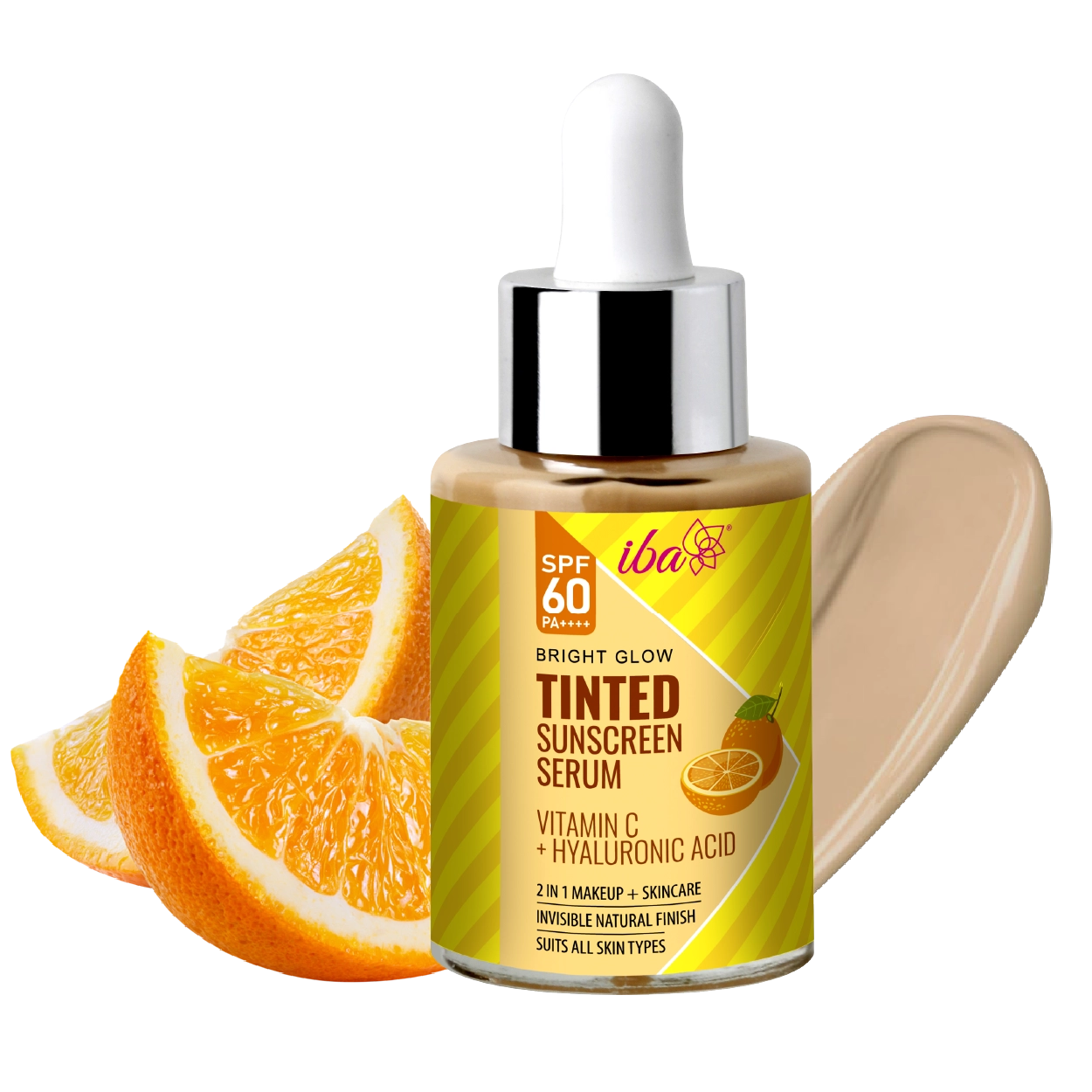
An excellent option here is the Iba Bright Glow Tinted Sunscreen Serum SPF 60 PA++++, a 2-in-1 makeup and skincare formula enriched with Vitamin C for brightening and Hyaluronic Acid for nourishing hydration. It delivers SPF 60 PA++++ protection with a dewy, natural finish and zero white cast, making it a great fit for all Indian skin tones.
Consider regular sunscreen when:
- Wearing full-coverage foundation and needing a neutral, invisible base
- Preferring easy reapplication without shade buildup
- Needing reliable, high SPF for outdoor activities or sports
- Wanting a formula that layers cleanly with active serums and treatments
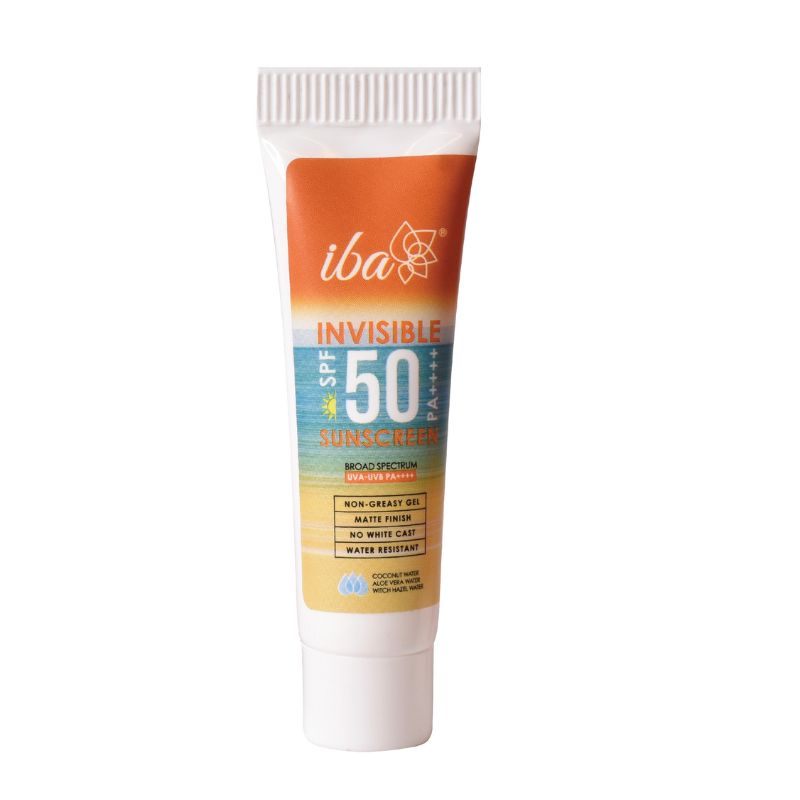
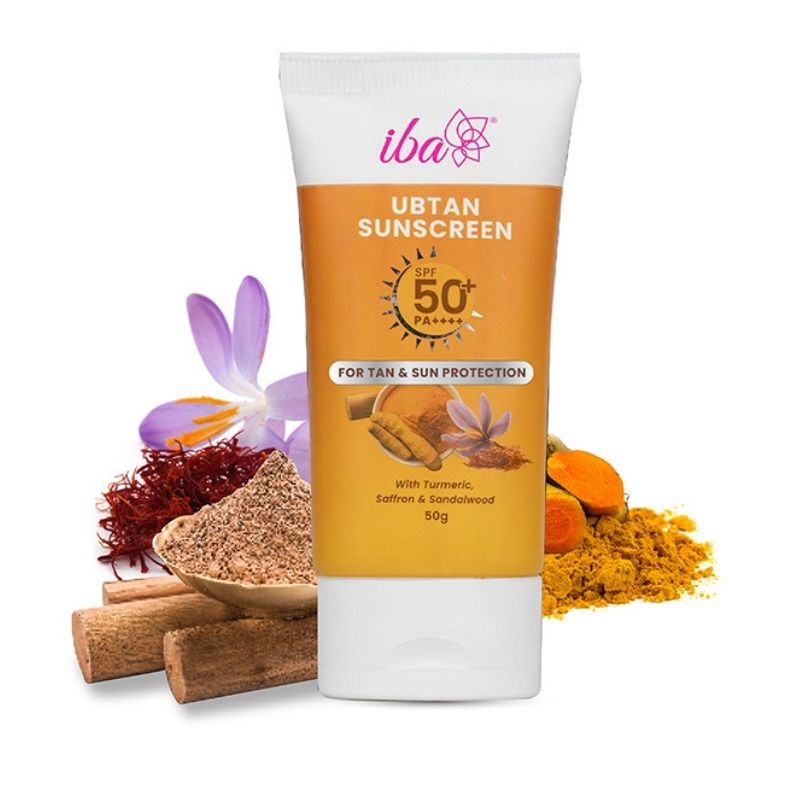
An excellent option here is the Iba Invisible Sunscreen SPF 50 PA++++, a sweat-proof, non-greasy formula that absorbs without residue and layers well under makeup. Also worth exploring is the Iba Ubtan Sunscreen SPF 50 PA++++, which brings together plant-powered ubtan actives and modern UV filters for a brightening, protective daily formula.
How to Apply Sunscreen for Full Protection: The Two-Finger Rule
The most common SPF mistake is simply not applying enough. For full protection, the Two-Finger Rule is a reliable guide:
- Measure: Dispense sunscreen along the index finger and middle finger, from base to tip.
- Dot: Apply small dots across the forehead, cheeks, nose, and chin.
- Blend: Smooth outward gently, without rubbing hard.
- Extend: Cover the neck and ears.
- Wait: Allow 60 seconds before layering makeup.
- Reapply: Every 2-3 hours outdoors, or after sweating heavily.
- For tinted formulas, treat it like a light BB cream: dot first, then blend outward with fingertips for even, natural coverage.
Conclusion
The choice between tinted and regular sunscreen is not about which one protects better. At the same SPF rating, both offer the same UV defence. The real difference is in what else the formula does for skin.
For managing pigmentation, skipping foundation, or blocking blue light from screens, tinted sunscreen is the stronger daily pick. For flexible, invisible protection that layers cleanly under any makeup routine, regular sunscreen works really well.
Both Iba sunscreens are halal certified, PETA-certified vegan, and free from alcohol, parabens, and sulfates, so the choice comes down purely to skin goals. Whichever option fits a routine best, consistent daily application is what delivers results over time. Healthy, protected skin is built gradually, one morning at a time.
Explore more: SPF 50 Sunscreens
Frequently Asked Questions
Q1. Does tinted sunscreen provide the same SPF protection as regular sunscreen?
Yes. The SPF rating of a tinted sunscreen reflects the same level of UVB protection as a regular sunscreen with the same rating. The added pigment does not water down the UV filters. In fact, iron oxides in tinted formulas add protection against visible and blue light, making the overall coverage broader. Learn more about what PA++++ means and why it matters for daily use.
Q2. Does tinted sunscreen protect against blue light?
Yes. The iron oxides in tinted sunscreens absorb high-energy visible (HEV) light, commonly called blue light. Regular sunscreens offer minimal protection in this light range. For skin dealing with melasma or screen-induced pigmentation, tinted sunscreen is the more thorough daily choice.
Q3. Which sunscreen works better for oily skin?
Both can work well for oily skin when made correctly. Look for "non-greasy," "matte finish," or "gel-based" on the label. The Iba Invisible Sunscreen Serum SPF 50 PA++++ is a lightweight, oil-free formula well suited to oily and acne-prone skin.
Q4. Can tinted sunscreen replace foundation?
For minimal makeup days, yes. Tinted sunscreen provides light coverage, evens out skin tone, and blurs minor imperfections without the heaviness of foundation. It is not a full-coverage replacement, but an excellent choice for a natural, skin-like finish with sun protection built in.
Q5. How often should sunscreen be reapplied?
Every 2-3 hours when outdoors, and right after swimming or heavy sweating. A single morning application is generally enough for those spending most of the day indoors. Consistent reapplication is what makes any sunscreen, whether tinted or regular, truly work over time.