
Finding a concealer that works well for pale skin is harder than it looks. Most shade ranges jump from 'fair' to 'medium' without much in between, leaving lighter Indian skin tones stuck between a formula that reads grey-white and one that turns orange within an hour. The struggle is real, and it is far more common than most beauty counters acknowledge.
The good news is that choosing the right concealer comes down to two things: understanding undertone and knowing what the concealer needs to do. Once those two are clear, everything else follows.
This guide covers how to identify undertone in under five minutes, a full shade-matching table with Iba product codes, natural skin prep tips, how to handle dark circles and hyperpigmentation, the five most common mistakes to avoid, and a clear step-by-step application method. Whether the goal is a quick under-eye refresh or full blemish coverage, the right approach is here.
Step 1: Understand Undertone First
When a concealer looks 'off,' it is almost always an undertone mismatch, not a depth problem. Undertone is the subtle colour hue that sits beneath the skin's surface. Unlike surface tone, which darkens in summer and lightens in winter, undertone stays the same all year. This makes it the most reliable guide for shade selection.
There are three undertones:
- Cool: Veins on the inner wrist look blue or purple under natural daylight
- Warm: Veins appear greenish
- Neutral: Veins look blue-green (a mix of both)
For concealer, cool undertones need a pink or neutral-based formula. Warm undertones work best with a yellow or golden-based concealer. Neutral undertones can go with either, which makes shade selection a little more forgiving.
Three Quick Ways to Find the Undertone
The Vein Test: Look at the inner wrist in natural daylight, not under yellow indoor lighting. Blue or purple veins point to a cool undertone; greenish veins suggest warm; a mix of both means neutral.
The White Fabric Test: Hold a plain white dupatta or cotton cloth close to the face. If the skin looks rosy against the white, the undertone is cool. If it looks golden or yellow, it is warm. If neither stands out, the undertone is neutral.
The Jewellery Test: Silver jewellery suits cool undertones; gold suits warm. If both look natural, the undertone is neutral.
Tip: These tests work best in natural daylight. Yellow indoor bulbs can affect the reading. Step near a window for the most accurate result.
For a deeper look at how undertones affect all makeup choices, read Discover Your Skin Undertones and Choose Makeup That Suits You.
Step 2: How to Pick the Right Shade
The most reliable way to pick a concealer shade is to anchor it to the foundation shade. The purpose of the concealer then determines whether to go lighter or match exactly:
- For dark under-eye circles: go one to two shades lighter than the skin tone. This brightens the under-eye area without leaving a visible white patch.
- For blemishes and post-acne marks: match the skin tone exactly. Going lighter actually draws attention to the spot instead of hiding it.
- For hyperpigmentation: use a colour corrector first, then match the skin tone with concealer on top. More on this in the section below.
The Jawline Test: The Most Reliable Swatch Method
Always test concealer on the jawline, not the wrist or the back of the hand. The jawline, where the face meets the neck, is the most honest place for a shade check. Apply a small amount, blend it in, and check in natural light. The shade that disappears without a visible line is the right one. Try two or three shades before deciding.
Shade-Matching Table for Indian Skin Tones
Use this table to find the right Iba shade based on skin tone and undertone:
|
Skin Tone |
Undertone |
Recommended Shade |
Best Use |
|
Very Fair / Pale |
Cool: blue or purple veins |
Light |
Under-eyes + blemishes |
|
Fair / Wheatish |
Neutral: blue-green veins |
Light or Medium |
Under-eyes: Light | Blemishes: Medium |
|
Wheatish / Medium |
Warm: greenish veins |
Medium |
Under-eyes + blemishes |
|
Medium / Dusky |
Warm or Neutral |
Medium or Deep |
Match skin tone exactly |
|
Under-eye brightening (any tone) |
Go 1–2 shades lighter |
Lighter shade |
Under-eye area only |
|
Blemish cover (any tone) |
Match exactly |
Exact skin shade |
Dab directly; blend edges |
Note: Skin tone can shift a little with the seasons. A summer tan may need a slightly deeper shade than in winter. Checking once or twice a year keeps the match accurate.
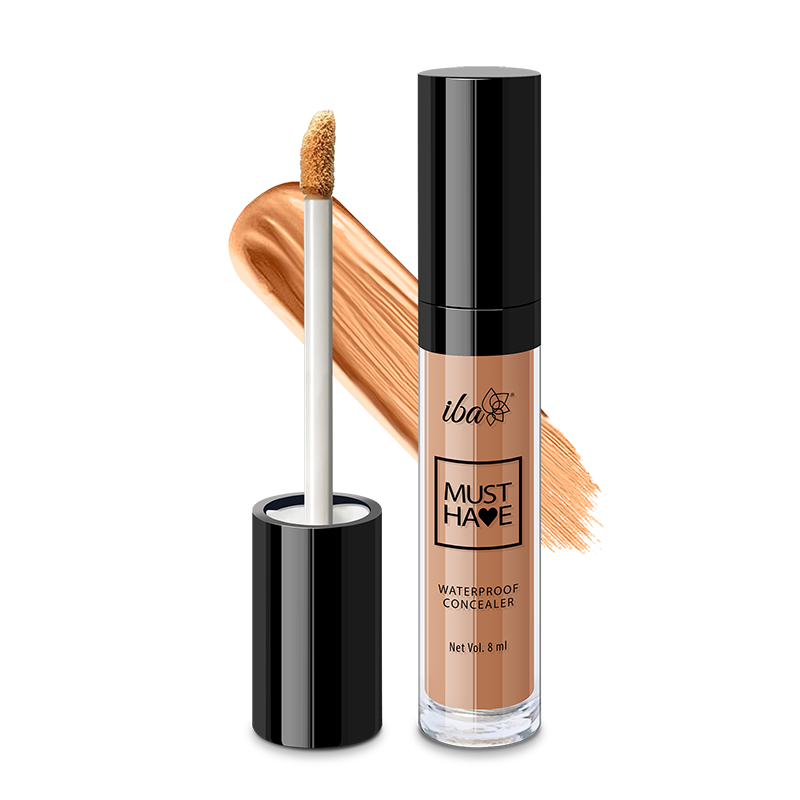
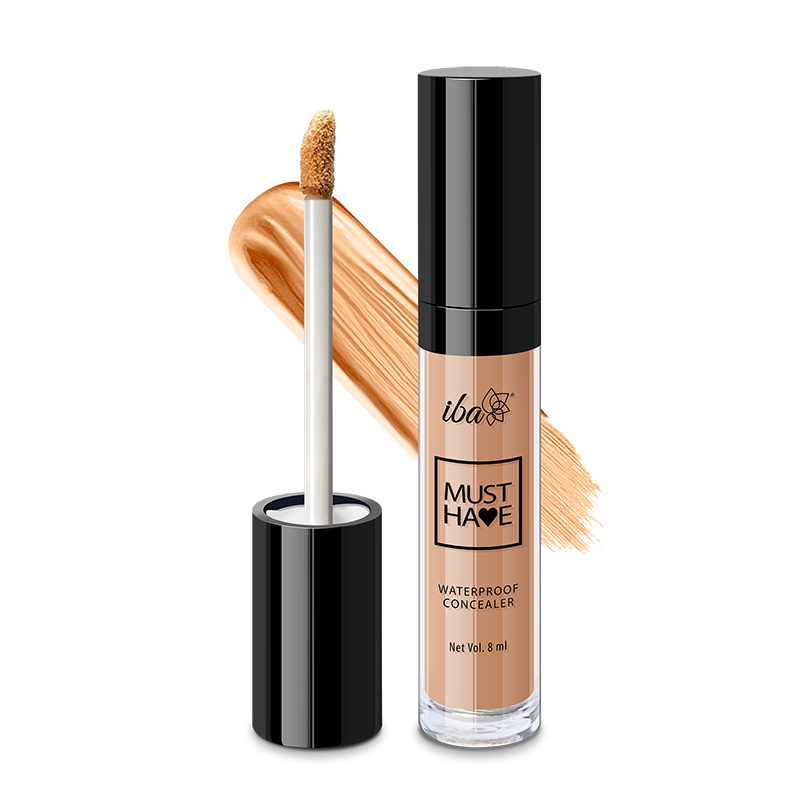
For very fair and pale Indian skin with cool or neutral undertones, the Iba Must Have Waterproof Concealer in Light is an excellent option. The formula is enriched with Argan Oil and Jojoba Extracts, two nourishing ingredients that keep the under-eye area hydrated while delivering ultra-pigmented, matte coverage. It is waterproof and budge-proof, making it a reliable choice through India's humid months.
For fair to wheatish skin with warm or neutral undertones, the Iba Must Have Waterproof Concealer in Medium blends naturally without pulling orange or too pink. Both shades are PETA-certified vegan and cruelty-free, and free from alcohol, parabens, and sulphates.
Step 3: Prep the Skin Naturally Before Applying
Concealer works best on a well-prepared base. A few natural habits before picking up any product make a real difference:
- Hydrate well. Apply a light moisturiser and let it absorb fully (about five to ten minutes) before any makeup. Dry skin causes concealer to cling to flaky patches and crease into fine lines, especially under the eyes.
- Use rose water as a toner. A quick spritz of rose water before moisturiser helps calm the skin and gently plumps the surface. This is especially helpful under the eyes, where the skin is thinnest.
- Try a cold compress for puffiness. If dark circles come with puffiness, hold a cold compress or two chilled cucumber slices over the eyes for five minutes before makeup. Reducing the swelling helps the concealer sit flat.
- Use aloe vera as a base for acne-prone skin. A thin layer of pure aloe vera gel, left to dry fully, creates a gentle, calming base before applying concealer over blemishes. Aloe's soothing properties help sensitive skin handle product layering without irritation.
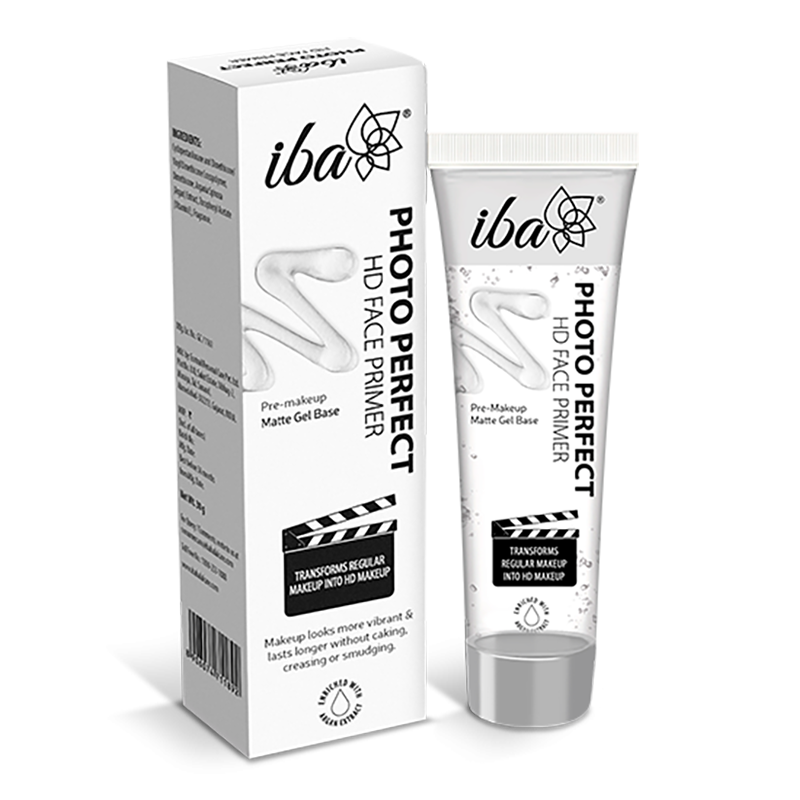
After natural prep, a lightweight primer helps concealer stay in place through the day. The Iba Photo Perfect HD Face Primer smooths the surface, minimises pores, and keeps concealer looking fresh for longer, especially on oily skin or in warmer months. For a full primer guide, read How to Apply Face Primer for Glowing Skin.
How to Find Your Concealer Shade for Fair Skin
Fair skin narrows the margin for error. A shade that is even slightly too dark reads muddy; one that is too light looks ashy or grey. The solution is not to keep testing random options but to anchor the search to two things: undertone (covered above) and what the concealer needs to do.
For very fair to fair Indian skin, the general rules are:
- Under-eye coverage: go one to two shades lighter than the skin tone, never more. Beyond two shades, the under-eye area turns chalky, especially on cool undertones.
- Blemishes and spots: match the skin tone exactly. A lighter shade makes the spot more visible, not less.
- Brightening or highlighting: a single shade lighter than the skin tone along the bridge of the nose or centre of the forehead is enough.
The other variable is the formula's base. Fair skin with cool undertones (blue or purple veins) needs a pink or neutral base. A yellow-heavy formula will sit visibly rather than blend in. Fair skin with warm undertones (greenish veins) needs the opposite: a yellow or golden base to avoid a pink or washed-out finish.
Can Concealer Cover Hyperpigmentation and Dark Spots?
Yes, and with a little preparation, it can do so effectively. Concealer works best on even-toned discolouration. For stronger hyperpigmentation, post-acne marks, or blue-toned dark circles, a colour corrector underneath gives the concealer a neutral base. Less product is needed and the result looks more natural.
Here is how different corrector shades work:
- Yellow corrector: Cancels the purple-grey tone of hyperpigmentation and post-acne marks. Works well on fair to medium Indian skin.
- Peach or salmon corrector: Cancels the blue or purple tone of dark under-eye circles. Particularly useful on pale and fair skin, where dark circles often have a clear blue cast.
- Green corrector: Counteracts active redness from acne or irritation before the concealer goes on top.
- Application order: Moisturiser → Primer → Colour corrector (thin layer, fully blended) → Concealer → Set with powder. This layered approach uses less product at each step and gives a more natural finish.
Tip: Colour correctors should be nearly invisible before the concealer goes on. If the corrector colour is still showing, too much has been used. A thin, well-blended layer is enough.
Which Type of Concealer Works Best for Pale Skin?
Liquid concealers are the strongest choice for fair and pale skin. They are buildable: one thin layer gives light coverage and two give full coverage. When enriched with hydrating ingredients, they do not settle into fine lines or dry patches. Liquid formulas are also the most versatile, covering under-eye circles, blemishes, and giving a soft highlight effect all with one product.
Cream concealers offer denser coverage and suit more visible marks, scars, or areas of strong discolouration. They work well on normal to dry skin but can feel heavy on oily or combination skin types.
Stick concealers are great for quick touch-ups on the go. They give medium to full coverage in a portable format and need no tools to apply.
For pale skin in Indian weather, where heat and humidity can wear down makeup quickly, a waterproof liquid concealer tends to be the most reliable option across all seasons. The Iba Must Have Waterproof Concealer is light enough to avoid any cakey appearance, yet pigmented enough to give genuine coverage in one layer.
5 Concealer Mistakes to Avoid
Knowing what not to do is just as useful as knowing what to do. These five mistakes are the most common reasons concealer does not perform the way it should:
- Going too light on the shade. A concealer more than two shades lighter than the skin tone creates a grey or chalky under-eye area. One to two shades lighter is the right amount.
- Skipping primer. Without a base, concealer slides off within a few hours, especially in India's heat and humidity. Even a light moisturising primer used before foundation keeps concealer in place through the day.
- Rubbing instead of tapping. Rubbing or swiping removes the product from where it is needed. The right technique is gentle tapping and patting (ideally with a damp makeup sponge), pressing the product into the skin rather than across it.
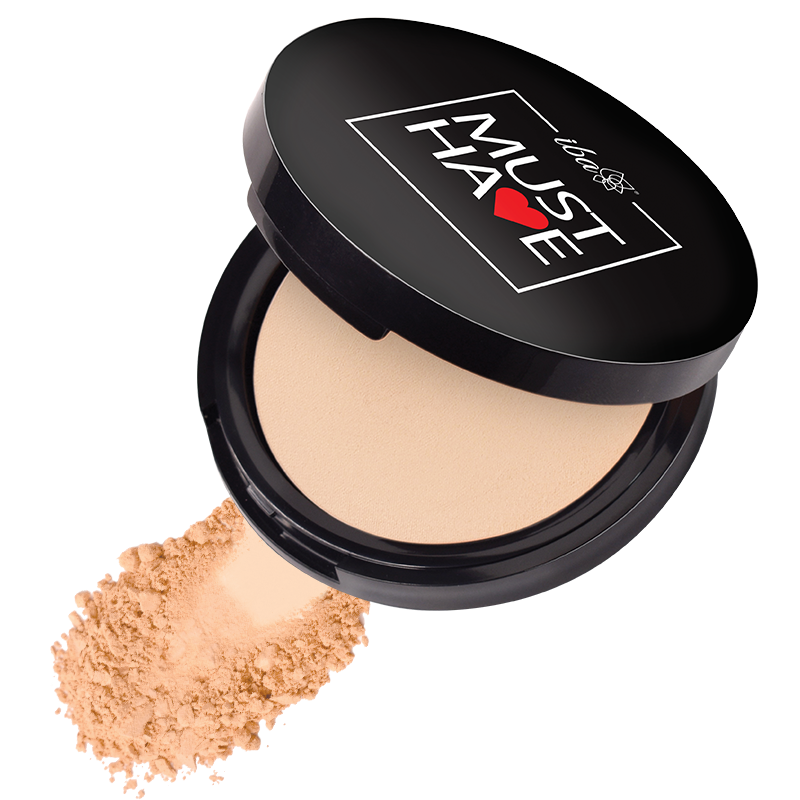
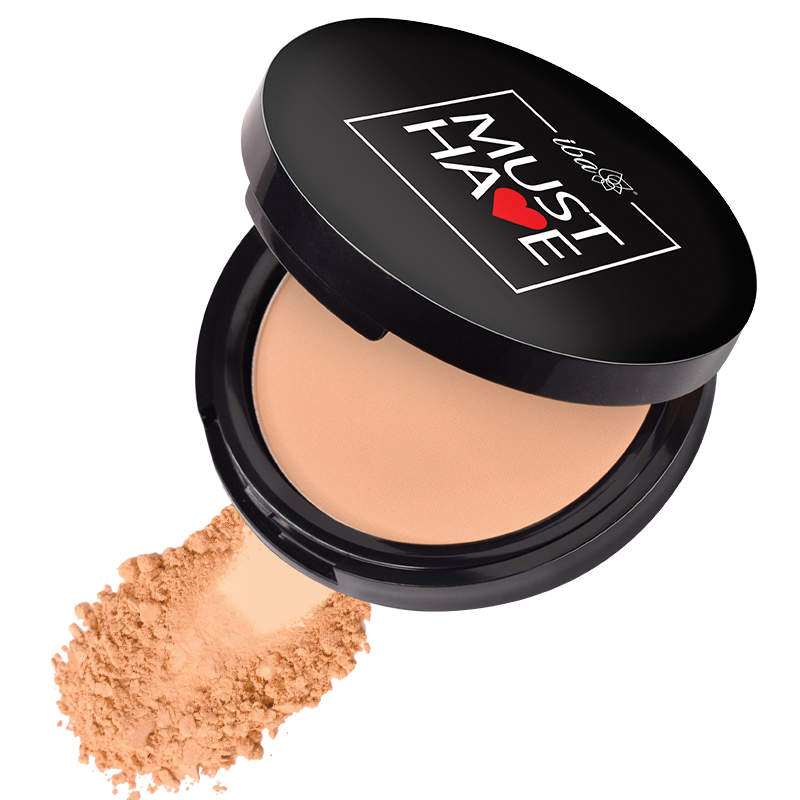
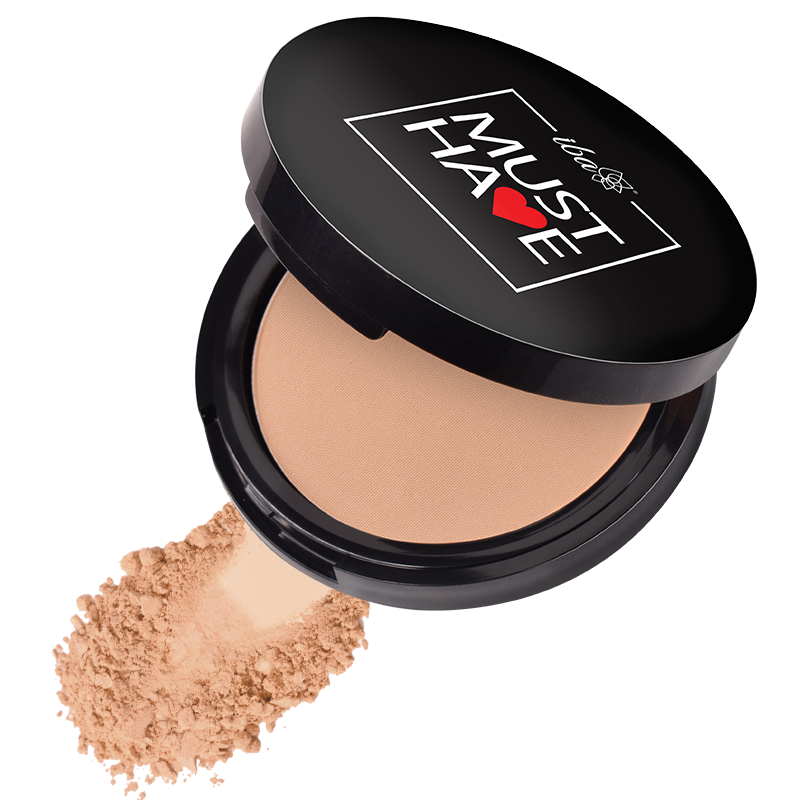
- Not setting with powder. Concealer that is not set creases and lifts within a few hours. A light dusting of powder over the concealed area is all it takes. The Iba Must Have Velvet Matte Compact comes in five shades and sets concealer cleanly without adding heaviness.
- Using a thick matte formula on dry skin. Heavy matte concealers cling to dry patches and draw attention to fine lines. For dry or mature skin, a hydrating liquid formula (like one that contains Argan Oil or Jojoba) gives coverage without the dry, powdery look.
How to Apply Concealer: Step by Step
For Dark Under-Eye Circles
- Apply small dots of concealer from the inner corner of the eye, following the tear trough, and curving slightly outward toward the cheekbone.
- Shape these dots into an inverted triangle. The base sits along the lower lash line; the point extends down toward the cheek. This shape brightens the mid-face as well as covering dark circles.
- Blend with a damp makeup sponge, tapping gently. Do not swipe. Tap and press until the edges blend into the skin evenly.
- Set with a light dusting of translucent powder straight after blending.
For Blemishes and Acne Marks
- Dab a small amount of concealer directly onto the blemish using the applicator wand or a fine brush.
- Blend only the edges outward, keeping the coverage concentrated on the spot itself.
- Build up in thin layers. A second light coat gives better, more natural-looking results than one thick application.
- Set with powder to keep the coverage from lifting.
As a Gentle Highlighter
A lighter shade of concealer along the bridge of the nose, centre of the forehead, and tops of the cheekbones adds a natural glow without a separate product. Blend with fingertips for the most natural finish.
Setting for All-Day Wear
For dry skin: use a very small amount of powder, or simply press a damp sponge lightly over the concealer to set it. A setting spray works well here too.
For oily skin: apply powder generously over the concealed area, leave for two minutes, then sweep off the excess with a fluffy brush. This technique, often called 'baking', keeps concealer in place all day and stops creasing.
Explore the full Iba concealer range to find the right shade and finish for every skin concern. Not sure whether to pair it with foundation or use it alone? Read Concealer vs Foundation: When and How to Use Each for a clear breakdown.
Bringing It All Together
Choosing the right concealer for pale skin is about understanding the skin: its undertone, its texture, its season. Once the undertone is clear, the shade match follows naturally, and once the application routine is in place, the results are consistent.
It takes a little patience to find the right combination of shade, formula, prep, and setting, and that is completely normal. Start with one step at a time, stay consistent, and give each change a few days before drawing conclusions. Every small improvement builds into a routine that really works. The right concealer is worth finding, and it quickly becomes something that earns its place every single morning. Explore the full Iba Must Have concealer range to find the shade that works.
Frequently Asked Questions
Q. What colour concealer is best for pale skin?
Cool undertones (blue/purple veins) need a pink or neutral base. Warm undertones (greenish veins) need a yellow or golden base. The Iba Must Have Waterproof Concealer in Light suits fair Indian skin with a neutral-cool base.
Q. How do I pick the right shade of concealer?
For dark circles, go one to two shades lighter than your skin tone. For blemishes, match exactly. Always swatch on the jawline in natural daylight, not the wrist.
Q. Can concealer help with hyperpigmentation?
Yes. Apply a yellow colour corrector first to neutralise dark tones, then layer a skin-matching concealer on top. A waterproof formula holds coverage through the day.
Q. Which concealer shade is right for Indian skin tone?
Very fair skin suits Light; fair to wheatish suits Light or Medium; medium to dusky suits Medium or Deep. Warm undertones need a yellow base; cool undertones need a pink or neutral base.
Q. Is pink concealer better for pale skin?
Only if the undertone is cool (blue or purple veins). For warm undertones (greenish veins), a yellow or neutral formula blends more naturally.
Q. What are common concealer mistakes to avoid?
Going too light, skipping primer, rubbing instead of tapping, skipping setting powder, and using a heavy matte formula on dry skin.
Q. How do I identify my face shade?
Do the vein test, then swatch two or three shades on the jawline in natural daylight. The shade that disappears without a visible line is your match.
Q. Is it ok to wear concealer without foundation?
Yes. Moisturise, apply primer, add concealer where needed, and set with compact powder. A lip and cheek tint completes the look without heaviness.
Q. What is the best concealer shade for fair skin with dark circles?
One to two shades lighter than your skin tone. Apply in an inverted triangle under the eye and set with translucent powder. The Iba Must Have Waterproof Concealer in Light works well for fair Indian skin.
Q. Which concealer works best for fair skin with warm undertones?
A yellow or golden-based formula. Anything too pink will sit visibly on the skin. Swatch on the jawline in natural daylight to confirm the match.
Q. Can I use concealer on combination skin if I have a fair skin tone?
Yes. Use a lightweight waterproof formula, apply only where needed, and set the T-zone with powder. Avoid cream formulas on oily areas to prevent pilling.
Q. How do I use a colour corrector for pale skin before concealer?
Apply a thin layer, blend fully, and let it settle before adding concealer. Peach or salmon corrects blue-toned dark circles; yellow corrects grey discolouration. The corrector should be nearly invisible before concealer goes on.