
Makeup labels can be confusing. Sweatproof, waterproof, transferproof, smudgeproof, long-wear. All of them promise staying power, but each one protects against a different problem. Knowing the sweatproof, waterproof, transferproof makeup difference may help avoid spending money on the wrong formula. The right pick depends on what the makeup is up against: water, friction, sweat, or all three at once.
What Each Label Actually Means
Before comparing products, a clear definition of each term makes the difference easier to spot. Each label points to a specific type of protection.
Waterproof
Waterproof makeup is designed to resist water. Rain, tears, or splashes may not break down the formula because the product forms a barrier that water cannot penetrate. A waterproof kajal or mascara stays put at the waterline even when the eyes water. Waterproof does not automatically mean the product resists rubbing or friction.
Transferproof
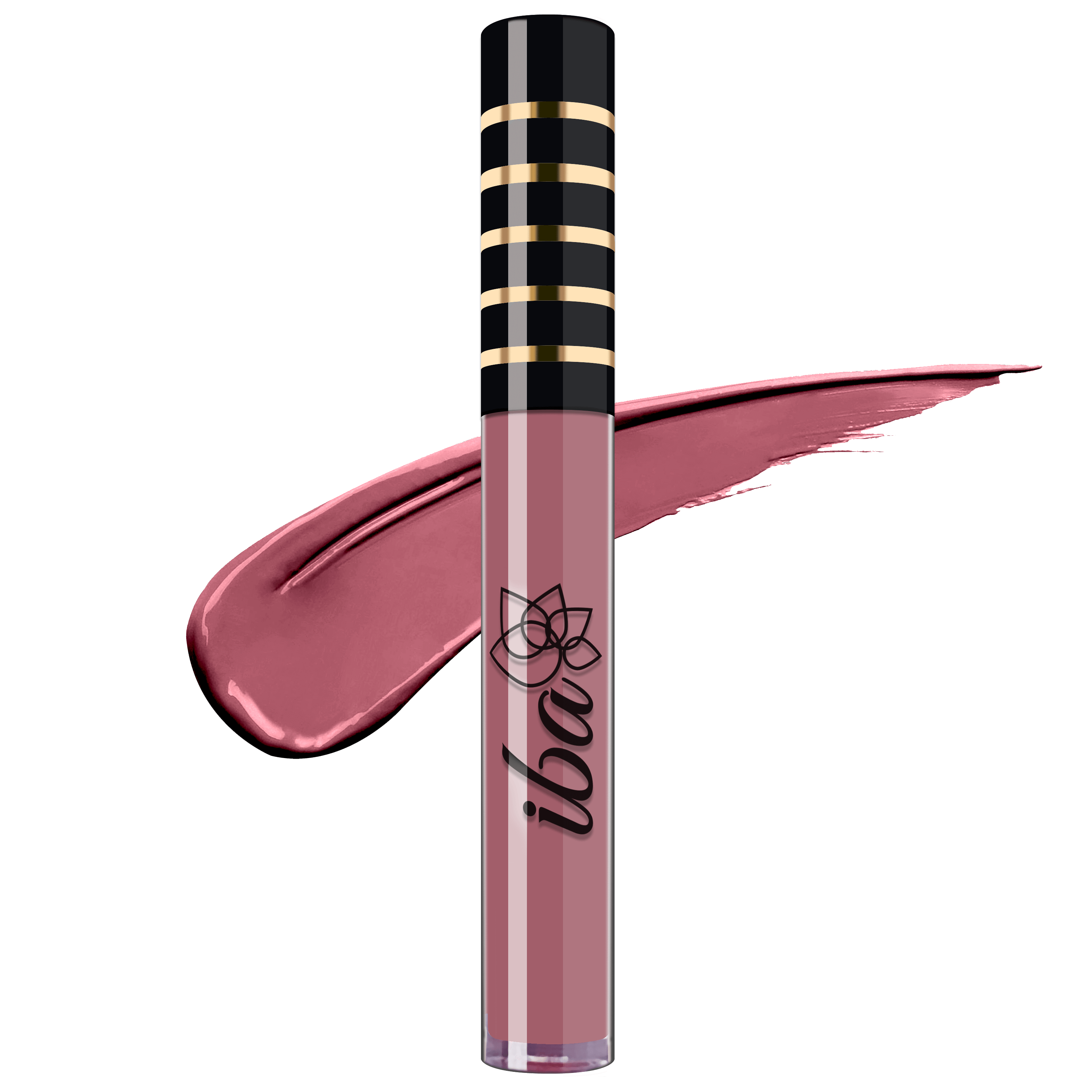
Transferproof makeup meaning is simple: the product stays on the skin and does not move to anything that touches it. Cups, phone screens, mask edges, and collars stay clean. A transferproof liquid lipstick dries down and locks pigment in place so the colour stays on the lips, not on a coffee mug. Transferproof does not automatically mean the product resists water.

Sweatproof
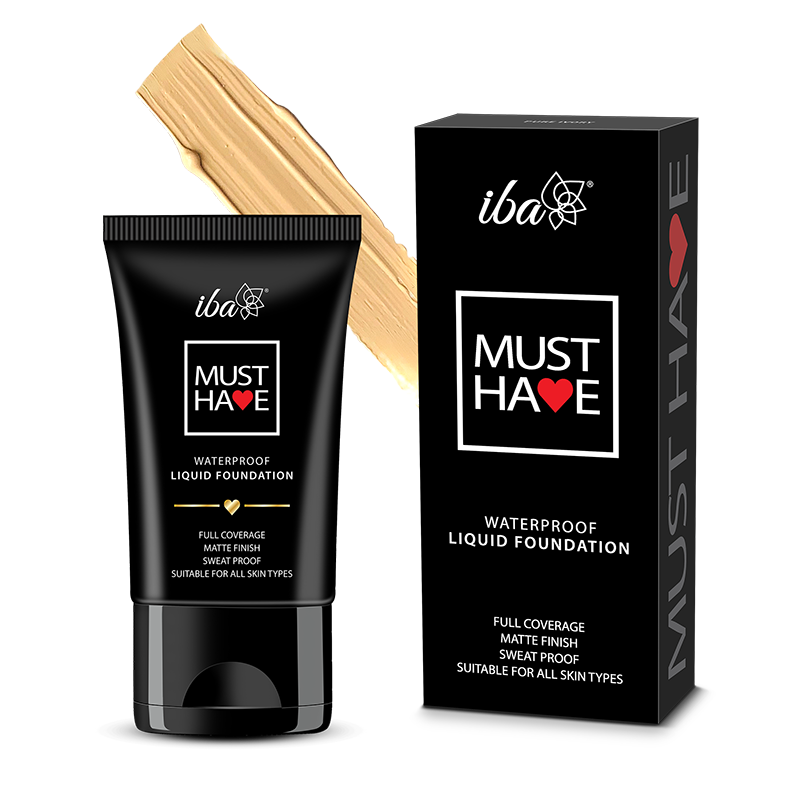
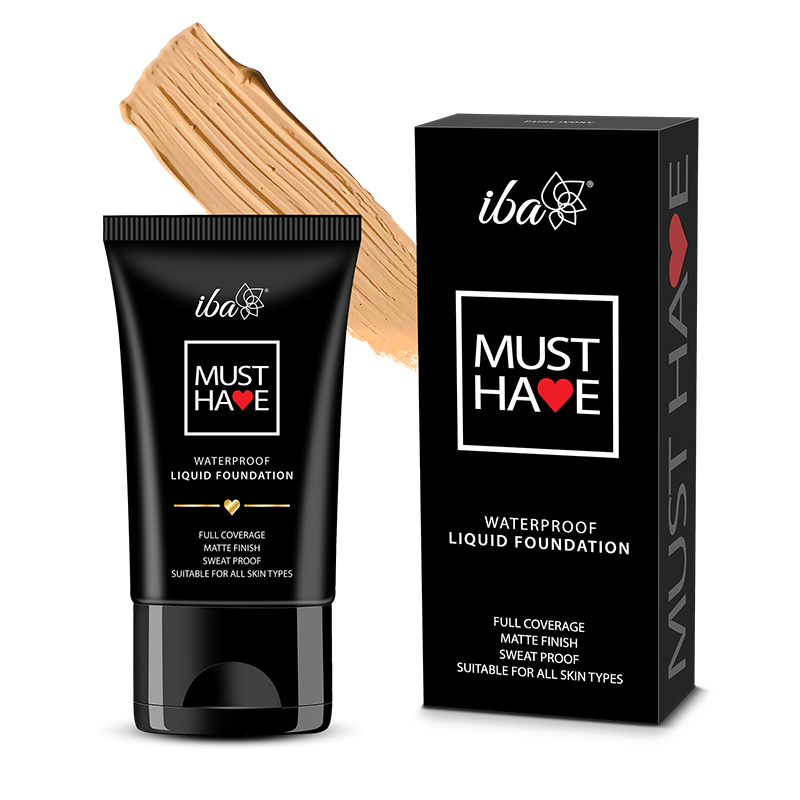
Sweatproof makeup meaning refers to products that hold up against perspiration. Sweat is not pure water. Oil, salt, and sebum from the skin mix in, and sweatproof formulas are built to resist that combination. A sweatproof foundation may hold up through a humid commute or a long day in Indian summer heat better than a regular one.
Quick Comparison Table
When comparing waterproof vs transferproof makeup or any other label, a simple table may make the differences clear at a glance.
| Feature | Waterproof | Transferproof | Sweatproof | Smudgeproof |
|---|---|---|---|---|
| Resists water and rain | Yes | Not always | Partially | No |
| Resists rubbing and friction | Not always | Yes | No | Yes |
| Resists sweat and oil | Partially | Not always | Yes | Partially |
| Best for | Rain, tears, humidity | Masks, cups, contact | Heat, workouts | Touching, creasing |
| Hardest to remove | Yes | Moderate | No | No |
Which Products Need Which Property
Not every product in the routine needs the same level of protection. A few guidelines by category may help decide what matters most for each step.
Eye Products
- Eye makeup sits close to moisture from the eyes and sweat from the forehead.
- A waterproof eyeliner and waterproof mascara are worth choosing for monsoon and summer months.
- Smudgeproof vs waterproof makeup matters here too: a smudgeproof formula resists rubbing from fingers and glasses, while waterproof resists tears and rain.
- For the waterline, waterproof is the safer pick.
Lip Products
- Lip colour faces friction more than water. Eating, drinking, and mask-wearing are the main threats.
- A transferproof formula from the lipstick range may keep the colour in place through meals and conversations.
- Waterproof lip colour is less common and usually less comfortable.
- For most daily wear, transferproof is the more practical choice.
Face Base
- Foundation and concealer deal with both sweat and contact.
- A transferproof base stays on the face instead of rubbing onto a phone screen.
- A sweatproof base resists oil and humidity.
- For Indian summers and monsoon, a formula that handles both friction and sweat may give the best result.
- Setting the base with a setting spray may add an extra layer of hold against both problems.
What About Long-Wear Makeup
Long-wear makeup means it is broader than the other labels.
- A long-wear product is formulated to last for an extended period, usually 8 to 12 hours, without fading, cracking, or separating.
- Long-wear may include some level of transfer resistance and sweat resistance, but the label on its own does not guarantee either.
Checking makeup label claims carefully matters. A product labelled only "long-wear" may still rub off on a mask or streak in rain. Looking for the specific claim that matches the situation, whether waterproof, transferproof, or sweatproof, gives a better idea of what the product can actually handle.
One Look, All-Day Hold
Knowing the sweatproof, waterproof, transferproof makeup difference takes the guesswork out of picking the right products. Waterproof protects against water and tears. Transferproof protects against rubbing and contact. Sweatproof protects against oil and perspiration. And long-wear means the formula is built to last through a full day.
Matching the right label to the right product and the right situation may keep makeup looking fresh from morning to night. For the latest deals on long-wear makeup and skincare, visit the Iba Cosmetics Coupon Codes Page.
FAQs
What is the difference between waterproof and transferproof makeup?
Waterproof makeup resists water, rain, and tears. Transferproof makeup resists rubbing, friction, and contact with surfaces like cups and masks. A product can be one without being the other.
Is sweatproof the same as waterproof?
Not exactly. Sweat contains oil, salt, and sebum along with water. Sweatproof formulas are built to resist that mix, while waterproof focuses on pure water resistance. Some products offer both.
What does smudgeproof mean in makeup?
Smudgeproof means the product resists smearing when rubbed or touched. Smudgeproof vs waterproof makeup is a common confusion, but smudgeproof deals with friction while waterproof deals with moisture.
Do I need waterproof or transferproof makeup for daily wear?
For most daily routines, transferproof is more useful for face and lip products. Waterproof is more useful for eye products, especially kajal and mascara, that sit near moisture throughout the day.
Can setting spray make regular makeup transferproof?
A good setting spray may add some transfer resistance by forming a thin film over the applied layers. But a setting spray alone may not match the staying power of a formula that is built to be transferproof.
How do I remove waterproof and transferproof makeup properly?
An oil-based cleanser or cleansing balm works best. Oil breaks down the film that holds waterproof and transferproof products in place. Follow with a gentle water-based face wash for a full cleanse.