
Most skincare products get replaced regularly, but sunscreen bottles tend to linger. A half-used tube from last summer, a bottle that sat in the car for weeks, a travel-size packet shoved into a bag months ago. Does sunscreen expire? Yes, it does. And in India's heat and humidity, it may lose its protective ability faster than the printed date suggests. Knowing how to store sunscreen and when to toss it may make the difference between real protection and a false sense of safety.
Does Sunscreen Actually Expire
Sunscreen is not just a lotion. The formula contains active UV filters that absorb or reflect ultraviolet rays. Over time, these filters break down and lose their ability to block UV radiation. A sunscreen past its expiry date may no longer deliver the SPF level printed on the label.
Most sunscreens carry a sunscreen expiry date printed on the packaging. According to global regulatory standards, sunscreens are expected to remain stable for up to three years from the date of manufacture when stored correctly. After that, the active ingredients may degrade even if the product looks and smells normal.
How Long Does Sunscreen Last
The shelf life depends on whether the bottle has been opened and how it has been stored. The table below breaks it down.
| Status | Expected Shelf Life |
|---|---|
| Unopened, stored well | Up to 3 years from manufacture |
| Opened, stored at room temperature | Follow the printed expiry date |
| Opened, stored in heat or humidity | May lose effectiveness sooner |
| No expiry date printed | Replace after 2 years maximum |
How long does sunscreen last in practice? In Indian conditions, where temperatures regularly cross 35 to 40 degrees, and humidity stays high for months, an opened bottle may degrade faster than the label suggests. Playing it safe and replacing sunscreen every 12 to 18 months after opening is a good habit.
Signs Your Sunscreen Has Expired
Expired sunscreen may not always look obviously bad. A few visual and sensory checks may help catch the signs before applying a weakened product.
| Sign | What It May Mean |
|---|---|
| Colour change (yellowing or browning) | UV filters may be oxidising |
| Texture separation or watery layer | Emulsion has broken down |
| Clumpy or gritty feel | Formula is no longer stable |
| Unusual or sour smell | Preservatives may be compromised |
| Uneven application or white patches | Film-forming agents are degraded |
If any of these signs that sunscreen has expired show up, replacing the product right away is the safest option. A fresh bottle from the sunscreen range may give consistent, reliable protection compared to a formula that may have lost its strength.
How to Store Sunscreen in India's Heat
Sunscreen storage in hot weather matters just as much as the formula itself. Indian summers, humid monsoons, and heated interiors may all speed up the breakdown of UV filters. A few simple storage habits may keep the product working as intended.
Keep Away from Direct Heat and Sunlight
- A cool, dry indoor spot away from windows is the best place to store sunscreen.
- Avoid leaving it on a windowsill, balcony shelf, or any surface that gets direct afternoon sun.
- Sunscreen left in car dashboards or glove compartments may be exposed to temperatures above 50 degrees on a hot day, which can degrade the formula quickly.
Skip the Bathroom Shelf
- Bathrooms in Indian homes tend to be warm and humid, especially during monsoon months.
- Storing sunscreen on a bathroom shelf may expose it to steam and moisture daily.
- A bedroom drawer or a cool shelf in the dressing area is a better option.
Seal the Cap After Every Use
- Air exposure may oxidise the active ingredients over time.
- Closing the cap tightly after every application and wiping off residue around the opening keeps the formula stable for longer.
- Choosing a product with a pump or tube packaging from the sun protection range may also reduce air contact compared to open-mouth jars.
What Happens If You Use Expired Sunscreen
Using expired sunscreen is not dangerous in most cases, but it may leave the skin less protected than expected. The UV filters may no longer block rays at the SPF level printed on the label, which means the skin is exposed to more damage than anticipated.
Over weeks and months, reduced protection may contribute to dark spots, uneven tone, and premature ageing. For Indian skin types that are already prone to pigmentation, relying on a weakened formula may undo the benefits of wearing sunscreen in the first place. Pairing a fresh sunscreen with a niacinamide serum and a gentle face wash may keep the skin both protected and even-toned.
Fresh SPF, Full Protection
Does sunscreen expire? Yes, and in Indian heat, it may expire faster than expected. Checking the expiry date, watching for texture and colour changes, and storing the product in a cool, dry spot may keep the formula effective until the last drop.
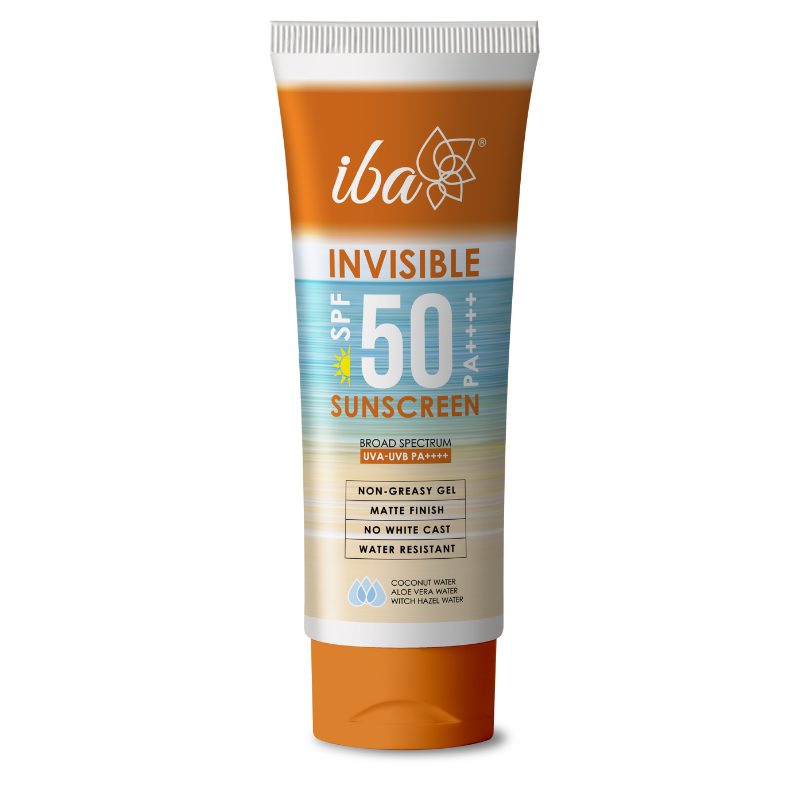
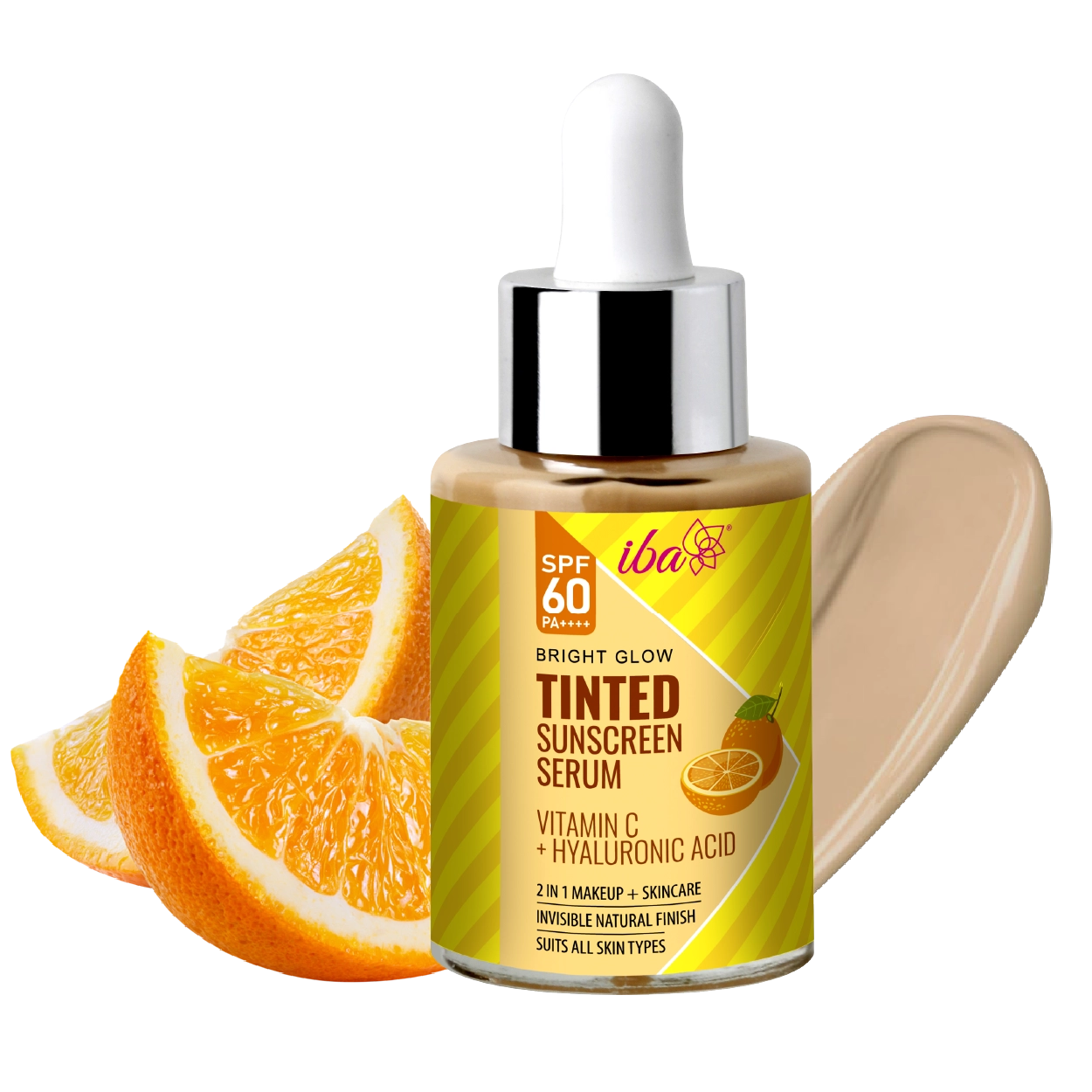
Replacing sunscreen regularly and choosing a lightweight formula like an invisible sunscreen or a tinted sunscreen serum may make daily use more comfortable. Pairing SPF with a light moisturiser keeps the skin hydrated and ready for sun protection every morning. For the latest deals on sunscreen and skincare, visit the Iba Cosmetics Coupon Codes Page.
FAQs
Does sunscreen expire if unopened?
Yes, but more slowly. An unopened bottle stored in a cool, dry place may remain stable for up to three years from manufacture. After that, the UV filters may weaken even without opening.
Can I use sunscreen left in a car?
Sunscreen left in car interiors may be exposed to very high temperatures that break down the active ingredients. If the product has been in a hot car for extended periods, replacing it is the safer choice.
How do I check the sunscreen expiry date?
Look for the printed expiry date or the manufacturing date on the packaging. Some products carry a PAO (Period After Opening) symbol, usually marked as 6M or 12M, showing how many months the product lasts after first use.
What are the signs sunscreen has expired?
Colour changes, texture separation, clumping, unusual smell, and uneven application are the most common signs. If any of these appear, the product may no longer protect as expected.
How to store sunscreen during Indian summers?
Keep sunscreen indoors in a cool, shaded spot. Avoid windowsills, bathroom shelves, and car interiors. Sealing the cap tightly after each use and choosing pump or tube packaging may help the formula stay stable longer.
Is expired sunscreen harmful to the skin?
Expired sunscreen is unlikely to cause direct harm, but it may offer significantly reduced UV protection. Relying on a weakened formula may lead to increased tanning, pigmentation, and sun damage over time.