
Sunscreen feels like an outdoor-only step for most people. But for anyone who works from home near a window, sits by a glass door all day, or has a desk that catches direct sunlight, the question comes up often: do you need sunscreen indoors? The short answer is that sunscreen at home may be worth wearing in certain situations, especially when the skin is exposed to sunlight through glass for hours at a stretch.
How UV Rays Get Through Windows
Sunlight carries two types of ultraviolet radiation that reach the skin: UVA and UVB. UVB rays are the main cause of sunburn, and standard glass blocks most of them. UVA rays behave differently. UVA passes through regular glass windows and reaches the skin even when the person is sitting inside.
UVA through windows is not a myth. UVA makes up roughly 95 per cent of the ultraviolet radiation that reaches the Earth's surface. While the intensity may be lower indoors than outdoors, prolonged exposure through a window over weeks and months may add up. The risk is highest when the seat, desk, or sofa is within one to two metres of a window that gets direct sunlight during the day. Wearing sunscreen near a window like that may reduce the cumulative UV exposure over time.
When Sunscreen Indoors Actually Matters
Not every indoor situation calls for sunscreen. A windowless room or a space with blackout curtains may not need it. But a bright, sun-facing room with large windows is a different story. A quick check of the setup may help decide.
| Situation | UV Exposure | Sunscreen Needed? |
|---|---|---|
| Desk within 2 metres of a sunny window | High UVA | Yes, SPF 30 or higher |
| Room with windows but no direct sun | Low | Optional |
| Windowless room, screen-heavy work | Minimal UV | Not needed for UV |
| Working from home near a balcony door | Moderate to high | Yes, especially midday |
Sunscreen while working from home may be most useful on days when direct sunlight hits the face for several hours. On overcast days or in rooms with curtains drawn, the exposure drops significantly.
Why Indoor UVA Matters for Indian Skin
Indian skin tones are more prone to hyperpigmentation and uneven patches from UV exposure. UVA may trigger melanin production even at lower intensities, which means sitting near a window without protection over time may worsen dark spots, melasma, and post-acne marks.
Sunscreen indoors for pigmentation is not about being overly cautious. Studies on Indian skin types have shown that regular sunscreen use may reduce the appearance of pigmented spots over a matter of weeks. Pairing a sunscreen with a niacinamide serum may help address existing pigmentation while the sunscreen prevents new spots from forming.
A good skin brightening range used alongside daily indoor sunscreen may keep the skin tone even and prevent the gradual darkening that low-level UVA causes over time.
How to Wear Sunscreen at Home Without It Feeling Heavy
Wearing sunscreen at home every day is easier when the formula is lightweight and does not feel like a full skincare step. A few simple choices may make the routine comfortable.
Pick a Lightweight Formula
- A gel-based or serum-based sunscreen sits lighter on the skin than a thick cream.
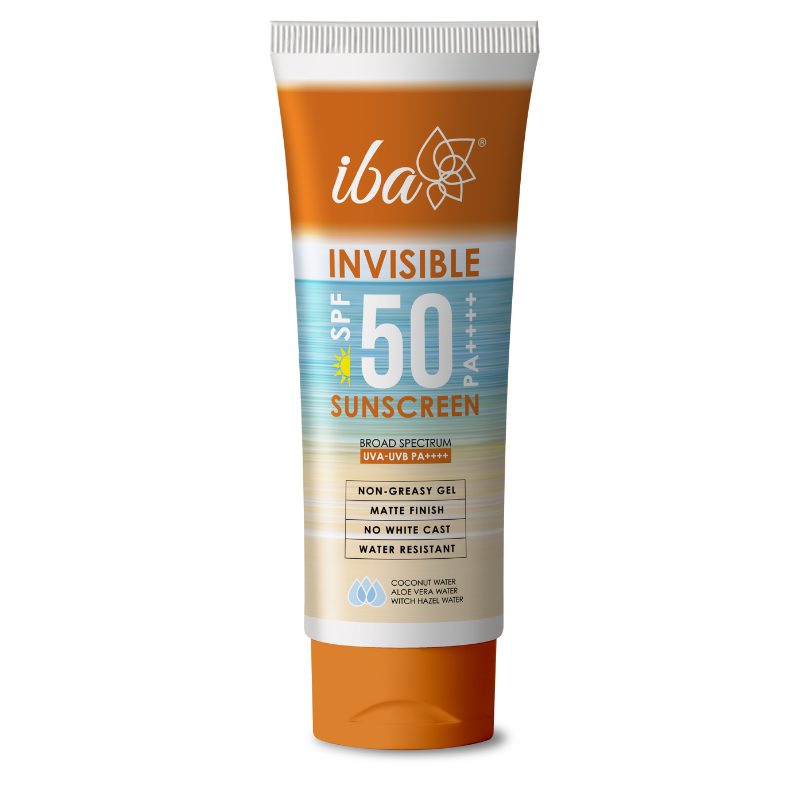
- An invisible sunscreen with a clear, non-greasy finish may work well for hours of indoor wear without feeling heavy or looking shiny.
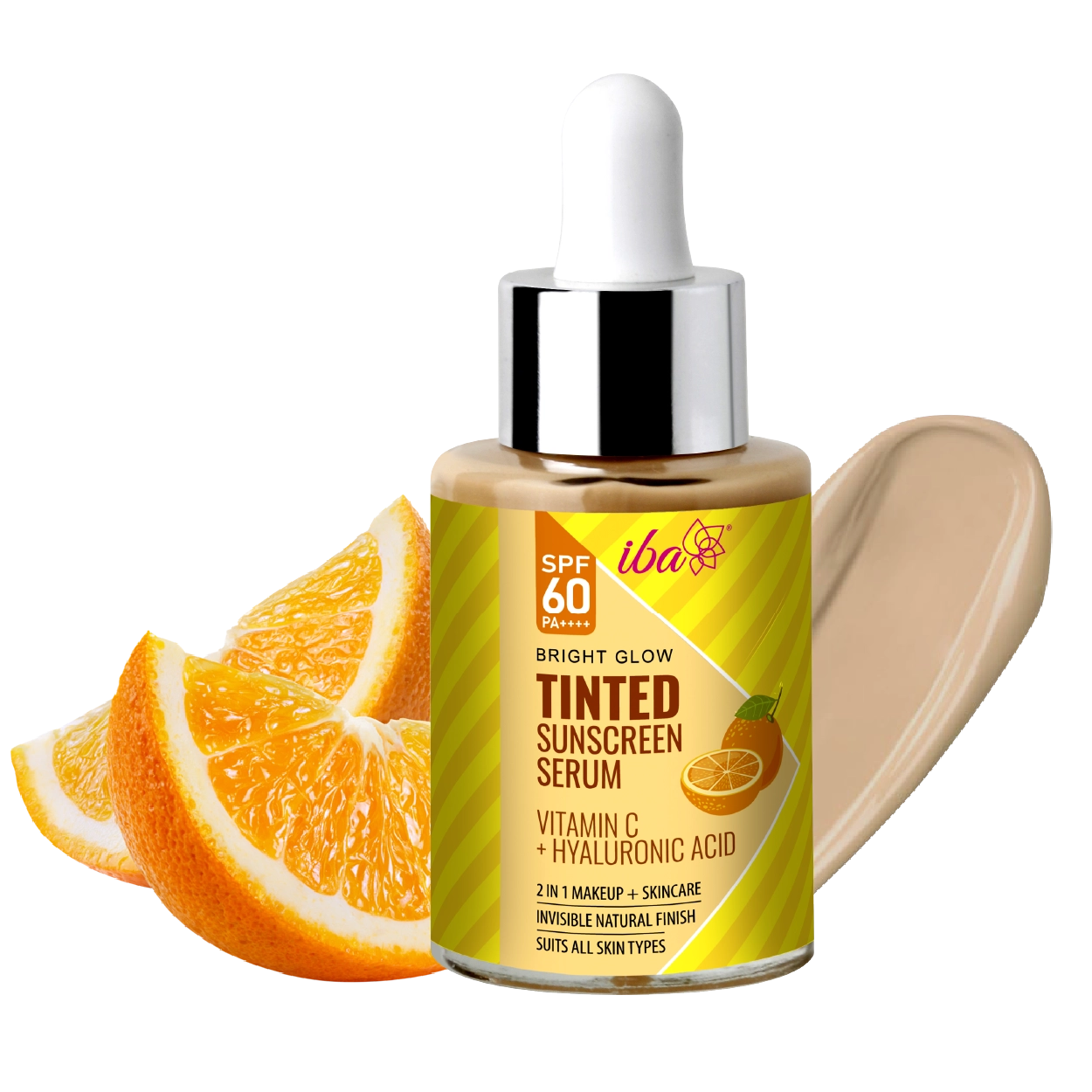
- For days that need a bit of colour correction along with SPF, a tinted sunscreen serum with SPF 60 may double as a light base and sun protection in one step.
Apply Once in the Morning
- Unlike outdoor use, sunscreen indoors does not need constant reapplication.
- A single generous application in the morning over a light moisturiser may provide enough protection for a full workday spent inside.
- Two finger-lengths of product across the face and neck is the standard amount.
Do You Need to Reapply Sunscreen Indoors
For most indoor situations, reapplying sunscreen indoors is not needed. A morning application may hold up for an entire workday because the skin is not exposed to sweat, water, or heavy friction the way it would be outdoors.
If the room gets very warm or if there is sweating from cooking or exercise, a midday reapplication may help. Otherwise, once in the morning is usually enough. At the end of the day, a gentle face wash may remove all traces of sunscreen before the night routine.
Protection That Fits the Routine
Do you need sunscreen indoors? If the seat catches direct sunlight through a window for hours, yes. If the room is mostly shaded or windowless, the risk is low. For Indian skin that is prone to pigmentation, a lightweight sunscreen worn at home near sunny windows may prevent dark spots and uneven tone from building up over time.
A quick morning application with the right formula is all it takes. For the latest deals on sunscreen and skincare, visit the Iba Cosmetics Coupon Codes Page.
FAQs
Do you need sunscreen indoors if you work from home?
Sunscreen while working from home may be useful if the desk is near a window with direct sunlight. UVA rays pass through glass and may contribute to pigmentation and ageing over time.
Does UVA pass through all types of glass?
Standard clear glass allows most UVA to pass through. Laminated and tinted glass may block more UVA. Car windshields typically block more UVA than regular home windows do.
Can indoor sunlight cause pigmentation on Indian skin?
Yes. UVA exposure through windows may trigger melanin production in Indian skin types, leading to dark spots, melasma, and uneven tone. Daily sunscreen use indoors may help prevent that buildup.
How often should I reapply sunscreen indoors?
For most indoor days, a single morning application is enough. Reapply only if sweating heavily or if direct sunlight exposure continues for more than five to six hours without a break.
What SPF is enough for indoor use?
SPF 30 with a PA+++ or PA++++ rating may be enough for indoor protection. SPF 50 gives an added margin of safety for anyone sitting close to a sunny window for long hours.
Can I skip sunscreen on cloudy days indoors?
UVA rays pass through clouds and glass. On an overcast day in a room with large windows, some UVA may still reach the skin. A lightweight sunscreen in the morning is a safe habit year-round.