
Compact powder and loose powder are both face powders designed to set makeup and control shine, but they differ in form, coverage, and use-case. Compact powder is pressed into a solid pan, delivers light-to-medium coverage, and is ideal for portable touch-ups throughout the day. Loose powder is finely milled, unbounded by pressing agents, and provides sheer coverage with a lightweight, airbrushed finish best suited for initial makeup setting. Choosing between them depends on your skin type, coverage preference, and whether you need at-home setting or on-the-go convenience.
Understanding Compact Powder and Loose Powder
 Before we jump into the comparison, let's get a clear understanding of what compact powder and loose powder are.
Compact Powder
The compact powder is solid makeup pressed into pan or compact. It is the best portable method and the most convenient one to use and carry. Compact powders are intended to mattify the skin or set the makeup applications, leading to a fine overall finish. Compact powders come in different shades, catering to a wide variety of skin tones.
Loose Powder
Loose powder is powdered finely and usually found loose or in jars. It is well received for having an extremely natural, airbrushed look and is much lighter than other powders. Loose powders make it possible to set the makeup and avoid shiny appearances while diffusing the look of the skin.
Loose Powder vs Compact Powder
With respect to texture and finish, compact powder is typically matte. It can give anyone medium or sometimes full coverage. Loose powder is better than compact powder in providing sheer to medium coverage and gives a more radiant look.
Compact powder is small and comes with an inbuilt mirror making it suitable for touch-up on the move. Loose powders are perfect for application of powder accurately, but they do not travel well because they usually can't spill.
Setting Powder vs Compact Powder
 The difference between setting powder vs compact powder lies in their texture and usage; setting powder is lightweight and perfect for setting makeup, while compact powder is pressed, portable, and ideal for touch-ups. Setting powders, usually having loose forms, are intended to keep the makeup in its place and minimize the shine. In contrary, compact powders have more coverage and indeed very much suitable for touch-ups during the day.
Difference Between Compact powder and Loose Powder
The difference between compact powder and loose powder is in their formulation and purpose. Compact powders are ideal for on-the-go applications since they are portable and compressed. Because they are lighter and finer, loose powders are perfect for producing an airbrushed, professional appearance. Another difference between compact and loose powder also extends to coverage; compact powders provide medium to full coverage, while loose powders offer a more subtle effect.
Types of Loose Powder
There are different types of loose powders to serve different purposes:
1. Translucent Loose Powder: It has a colorless finish that suits every skin tone. It is wonderful for setting makeup, without changing the foundation color, for an entirely natural no-makeup look.
2. Tinted Loose Powder: These powders come with a hint of color and may even double as lightweight foundation, as they have sheer coverage for everyday use.
3. Finishing Loose Powder: Ending this powder, using the last step, blurs imperfections as well as leaves a gentle soft-focus effect, and thus, is one of favorites during photoshoots or special occasions.
Translucent Powder vs Compact Powder
Translucent powder vs compact powder is another common comparison. Translucent powders are sheer and work well with all skin tones, making them great for setting makeup and eliminating shine. Compact powders, on the other hand, are meant to cover and have exact shades to suit your skin tone. If you want to have a carry-around option, then compact powders are the best choice. If we talk about establishment makeup, then translucent powder performs better on all accounts.
Choosing the Right Compact Powder
Selecting between loose powder vs compact powder often depends on your skin type. Here are some tips to guide your choice:
Compact Powder for Oily Skin
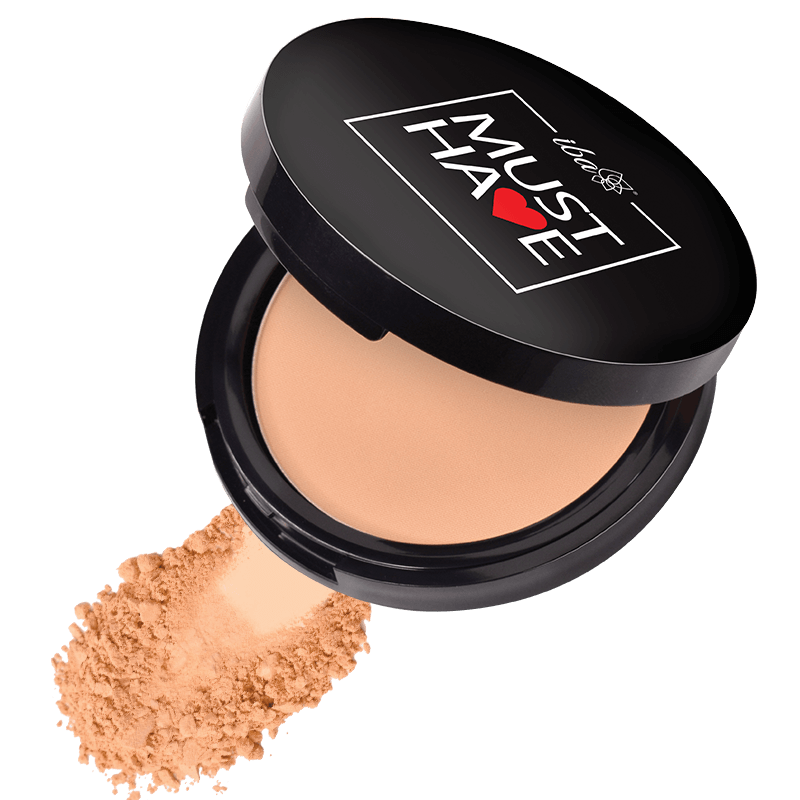
Choose the most appropriate compact powder, which manages and mattifies an oily skin. The Iba Must Have Velvet Matte Compact Powder is a very good example of this because it's going to control the production of sebum and leave your makeup looking exactly the same.

Loose Powder for Oily Skin
Loose powders would sometimes benefit oily skin as well, especially the ones made specifically to absorb oil and reduce shine. With the right loose powder, the skin can look glowing without appearing too oily.
Compact Powder for Dry Skin
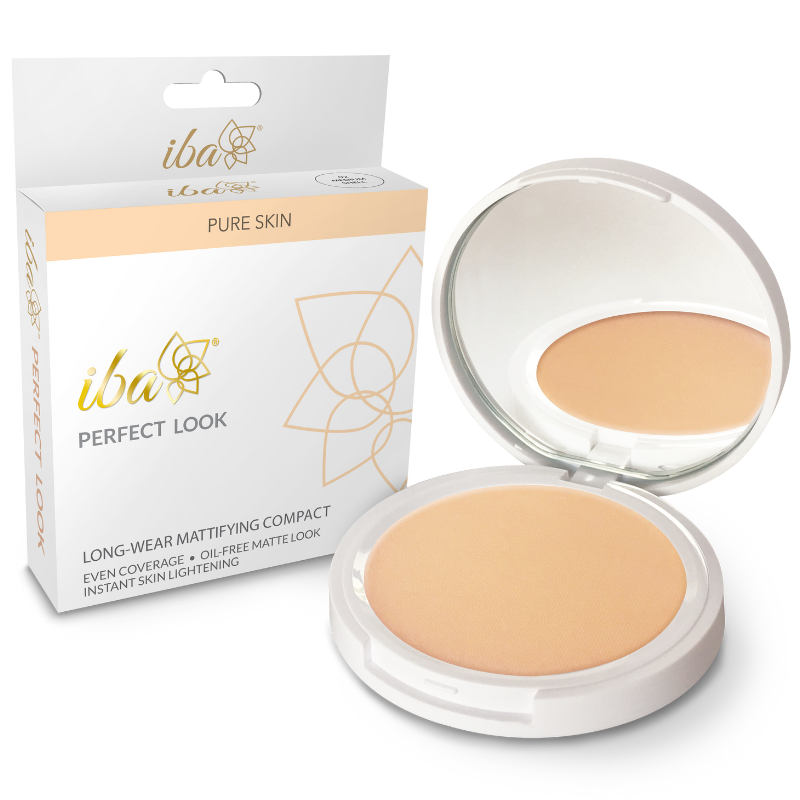
For dry skin, use a compact powder filled with hydrating elements. The Iba Perfect Look Long Wear Mattifying Compact Powder is an excellent choice because it moisturizes the skin while leaving a gorgeous matte finish.

Importance of Base Makeup Essentials
Compact powders are vital components of your base makeup essentials. They set the foundation, concealer, and other cosmetics so they stay in place throughout the day. Whether you use a halal foundation or a regular one, finishing with a compact powder improves longevity and gives your makeup a finished appearance.
Halal and Vegan Makeup Choices
Iba Cosmetics, for example, offers a variety of powders to meet the demands of people looking for vegan cosmetics solutions. Whether you want a halal compact powder for everyday usage or a loose powder for special events, these products meet your ethical and aesthetic criteria. You may make an informed decision by learning the difference between compact and loose powder, as well as comparing translucent powder vs compact powder. Choose cruelty-free, vegan, and halal makeup so that your beauty standards, along with their ethics, are suitable. Be it a compact powder, setting powder, or loose powder, the right option is just the right ethical makeup.
Which Powder Is Right for Your Skin Type?
- For oily skin, compact powder is generally the better choice for midday touch-ups because its pressed, denser formula absorbs excess sebum and delivers a matte finish that controls shine throughout the day. Focus application on the T-zone, including the forehead, nose, and chin, where oil production is highest, and avoid over-layering to prevent a cakey appearance.
- For dry skin, loose powder is the preferred option as its finely milled, binder-free formula sits lighter on the skin and is less likely to emphasise dry patches or settle into fine lines. Apply with a fluffy brush using a light hand, and limit powder to areas prone to creasing, such as the under-eye and the sides of the nose.
- For combination skin, consider using loose powder at home for initial setting and carrying a compact for targeted touch-ups on oilier zones during the day. This two-powder approach gives you oil control where you need it without over-powdering drier areas of the face.
Frequently Asked Questions
Q. Is compact powder the same as setting powder?
No. Compact powder is a pressed, often pigmented formula that provides coverage and works well for touch-ups. Setting powder is usually lightweight and designed primarily to lock foundation and concealer in place.
Q. Is translucent powder the same as setting powder?
Translucent powder is a type of setting powder. It has little or no visible colour and sets makeup without significantly changing the shade or coverage of your foundation.
Q. What is the main difference between compact powder and loose powder?
Compact powder is pressed, portable and generally provides more coverage. Loose powder is finely milled, lightweight and better suited to setting makeup or creating a soft, natural-looking finish.
Q. Which is better for oily skin: compact powder or loose powder?
Both can work for oily skin. Loose powder is generally better for setting makeup and absorbing oil for longer periods, while compact powder is more convenient for controlling shine during daytime touch-ups.
Q. Can compact powder be used as a setting powder?
Yes. Compact powder can set foundation and reduce shine, but it may add more colour and coverage than a traditional loose setting powder. Apply it lightly to prevent the makeup from looking heavy.
Q. Can loose powder be used instead of compact powder?
Yes, especially when you want to set makeup or achieve a lightweight finish. However, loose powder is less portable and usually provides less coverage than compact powder, making it less convenient for touch-ups.
Q. Can I use loose powder and compact powder together?
Yes. Apply loose powder after foundation and concealer to set your base. Use compact powder later in the day for quick touch-ups, additional coverage and shine control.
Q. Which powder is better for makeup touch-ups?
Compact powder is better for touch-ups because it is pressed, portable and easy to apply without creating a mess. Many compacts also include a mirror and applicator for convenient use on the go.
Q. How should loose powder be applied without looking cakey?
Apply a small amount with a fluffy brush or powder puff, focusing on areas that become oily. Tap off excess product before application and build it gradually rather than applying a thick layer at once.
Q. Which powder is suitable for dry or sensitive skin?
Choose a finely milled powder with hydrating or skin-soothing ingredients. Avoid applying too much product to dry areas, and look for fragrance-free, non-comedogenic or dermatologist-tested formulas if your skin is sensitive.