
Grey hair isn't something to hide. It's something you can work with beautifully. As hair ages, it stops producing melanin, the pigment that gives it color. This is completely natural. But if you prefer fuller coverage, natural hair color for grey coverage gives you control without harsh chemicals seeping into your scalp.
The problem? Most conventional dyes contain ammonia, PPD (paraphenylenediamine), and resorcinol. These chemicals can irritate sensitive scalps, damage hair structure, and leave a lingering chemical smell. That's where plant-based options shine. They work gently while still delivering visible results.
When to Choose Herbal Hair Dyes
If you have more than 40% grey hair or want consistent, long-lasting results, a proper natural grey hair coverage product delivers better outcomes.
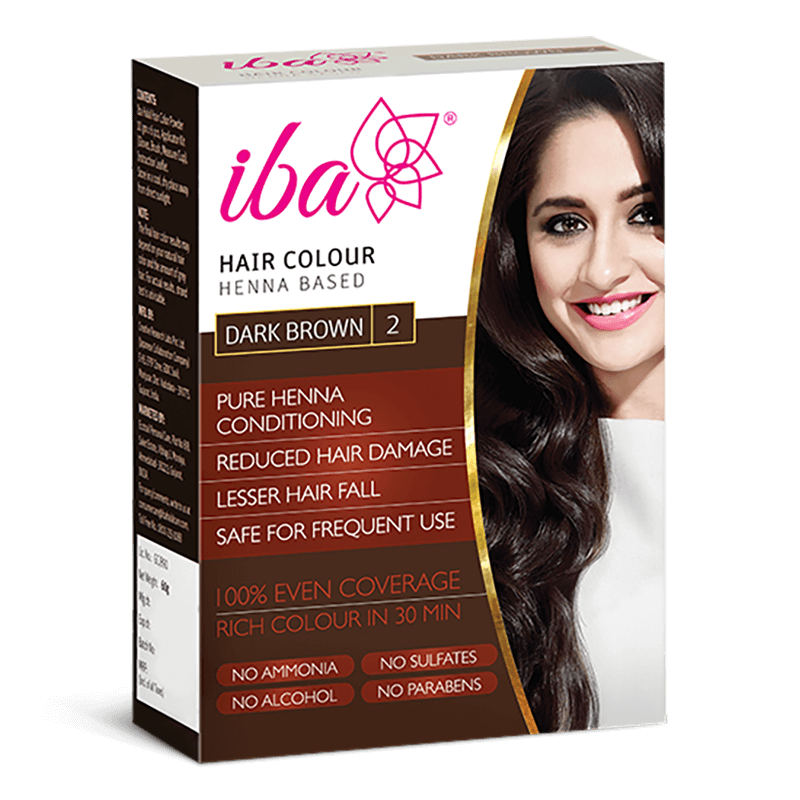
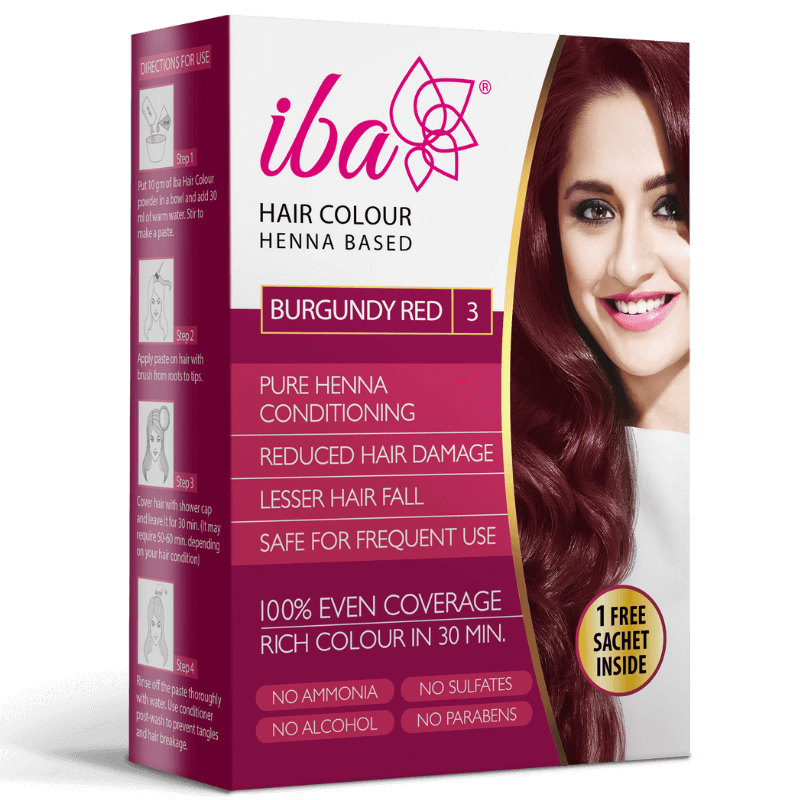
Iba Hair Color Range uses pure henna without ammonia. We offer multiple shades: Dark Brown, Dark Coal, Medium Brown, and Burgundy Red, each formulated to work on all hair types.
What Makes These Different
- Ammonia-free formula: Gentle on scalp and respiratory system
- Pure henna infusion:Conditions while it colors
- Halal and vegan certified: Aligns with ethical beauty values
- Sulfate and paraben-free:Won't strip natural oils
Application
- Mix 10g powder with 30ml of warm water
- Apply from roots to ends
- Leave for 30 minutes (up to 60 minutes for deeper intensity)
- Rinse and condition
Results appear immediately and deepen over 24-48 hours as henna oxidizes.
Best Practices for Natural Hair Color Grey Coverage
Getting the most from your herbal hair dye for grey hair depends on preparation, technique, and aftercare. These practices ensure even coverage, vibrant results, and healthy hair throughout the coloring process.
Before You Color
- Patch test:Apply a small amount behind your ear 24 hours before full application
- Condition your hair:Healthy hair absorbs and holds color better
- Avoid washing:Wait at least 2 days after shampooing before coloring
During Application
- Section your hair:Divide into 4-6 manageable sections for even coverage
- Work systematically:Start at the roots where grey is thickest
- Don't rush:Thorough coverage takes time, not speed
After Coloring
- Use color-safe shampoo: Gentle formulas preserve color longer
- Deep condition weekly: Keep moisture locked in
- Limit heat styling:Let hair recover for at least a week
- Protect from the sun: UV exposure can fade natural color faster
Why Covering Grey Hair Without Dye Isn't Always Practical
People often search for ways to cover grey without any product. Realistically? Styling tricks (specific haircuts, braids, highlights) can help, but they don't actually change hair color.
If you want genuine coverage, you need something that deposits pigment. The question then becomes: chemical or natural?
Natural options like henna, herbal hair dye for grey hair, and gentle products give you that middle ground, actual color change without the damage of harsh chemicals.
Final Thoughts
Choosing natural hair color for grey coverage isn't about denying change; it's about managing it on your terms. If you want reliable, consistent coverage that conditions while it colors, Iba Hair Colors deliver that without compromise.
Our commitment to halal certification, vegan formulations, and ammonia-free ingredients means you're coloring your hair with respect for both your body and your values.
Ready to find your shade? Check out Iba's coupon codes to explore the full hair color range and figure out what works for your hair.
Your grey doesn't need hiding. It needs the right care.
Frequently Asked Questions
Q. Will natural dyes make my hair look fake?
No. Henna-based dyes work with your natural undertones rather than against them. The result looks like your hair got richer, not like you dyed it.
Q. How often can I reapply?
Natural dyes are gentle enough for monthly touch-ups. Many people do touch-ups every 4-6 weeks as the color softly fades.
Q. Will it damage chemically treated hair?
Natural dyes are safer on treated hair than harsh chemicals, but do a strand test first. Treated hair can sometimes react unpredictably to any color product.
Q. Does it actually condition hair?
Yes. Henna adds body and shine. It's one of the rare instances where coloring also improves hair health.
Q. Can I use natural dyes if my scalp is sensitive?
Natural dyes are gentler than chemical alternatives, but always do a patch test first. Some people react to specific plants. If sensitivity persists, consult a dermatologist before coloring.
Q. How long does natural grey hair coverage last compared to permanent color?
Henna-based colors last 4-6 weeks and gradually fade. Permanent chemical dyes last longer but also cause more damage over time.
Q. What's the difference between herbal hair dye for grey hair and regular henna?
Good herbal hair dyes combine henna with other plants like indigo and amla for better coverage and varied shades. Plain henna alone gives only reddish-brown tones.
Q. Can I go back to my original color after using natural dye?
Natural dyes are semi-permanent. They fade gradually but don't prevent you from coloring over them later. Just do a patch test if switching to different dyes.
Also Read
Vegan Hair Color vs Chemical Hair Dye: Which is Safer for Your Hair?
10 Perfect Hair Colors for Pale Skin Tone