
Key Takeaways
-
Vegan hair color nourishes naturally, while chemical hair dye damages with harsh ammonia compounds.
-
Hair dye without chemicals prevents scalp burning and strengthens locks significantly over consistent use.
-
Vegan hair dye develops gradually through 2-3 applications, creating lasting, vibrant color safely.
-
Plant-based alternatives improve hair quality, whereas traditional synthetic dyes cause cumulative damage and weakness.
-
Switching to vegan formulas eliminates burning completely while building visible shine and strength.
-
Natural, ethical beauty delivers real results without compromising scalp or hair health.
If you've ever stood in the hair color aisle wondering whether to reach for that box of chemical hair dye or try something different, we understand. Many people wrestle with this choice every time they want to change their hair color. The real question isn't just about the shade you'll get. It's about what you're putting on your scalp and whether it's actually good for your hair.
The beauty world has shifted. More people are asking about hair dye without chemicals and looking for alternatives that won't damage their strands. That's where vegan hair color comes into the picture. But is it really better? How does vegan hair dye actually compare to traditional options? And most importantly, is it safer?
Let's break down what makes these two approaches so different and help you make an informed choice for your hair.
Understanding Hair Coloring Basics
Before comparing options, it helps to understand what happens when hair gets colored. Hair coloring works by opening up the hair shaft to deposit pigment inside. The key difference between products lies in how they open the hair and what they use to create color.
Your hair has a natural pH, and most coloring products need to shift that balance to work effectively. The question is whether they do this gently or harshly, and what ingredients they use in the process.
How Chemical Hair Dye Works (and What It Does to Your Hair)
Traditional chemical hair dye relies on synthetic compounds to change hair color. The most common ingredient is para-phenylenediamine (PPD), along with other harsh chemicals designed to penetrate deep into the hair shaft.
What Happens Inside Your Hair
Chemical dyes work by using ammonia to open the hair cuticle, then oxidizing dyes penetrate to the cortex.
This process can be effective, but it comes with trade-offs:
-
Ammonia raises the pH significantly, potentially damaging hair structure
-
Peroxide acts as an oxidizer, which can weaken protein bonds in hair
-
Synthetic colorants may accumulate in hair over repeated applications
Common Concerns with Chemical Hair Dye
|
Concern |
Impact |
|
Scalp Irritation |
Burning, itching, redness on sensitive scalps |
|
Hair Breakage |
Weakened hair structure leading to split ends and breakage |
|
Color Fading |
Often fades faster, requiring frequent touch-ups |
|
Dryness |
Can leave hair feeling straw-like and dull |
|
Strong Odor |
Ammonia smell can be overpowering |
|
Long-term Damage |
Repeated use may cause cumulative hair damage |
People with sensitive scalps or those who color frequently often experience irritation and discomfort during and after application.
Vegan Hair Color: A Natural Alternative
Vegan hair color for women represents a different approach entirely. Rather than relying on harsh synthetic chemicals, this type of hair color without chemicals uses plant-based ingredients to create beautiful, lasting color.
The most common ingredient in quality vegan hair dye products is henna, a natural plant extract used for thousands of years. Other plant-based alternatives include indigo, cassia, and botanical extracts.
How Vegan Hair Dye Works
Plant-based colorants work differently from chemical dyes. They coat the hair and gradually deposit color while nourishing the hair at the same time. Rather than opening the hair aggressively, they work more gently:
-
Natural ingredients coat and condition simultaneously
-
No ammonia means hair pH stays more stable
-
Plant extracts often include conditioning properties
-
Pigments build gradually with consistent use
Key Differences Between Vegan and Chemical Hair Dye
Here's a clear comparison showing how these approaches differ:
|
Feature |
Vegan Hair Color |
Chemical Hair Dye |
|
Base Ingredient |
Plant extracts (henna, indigo) |
Synthetic chemicals (PPD, ammonia) |
|
Hair Conditioning |
Nourishes while coloring |
Can weaken hair structure |
|
Scalp Impact |
Gentle, generally safe for sensitive scalps |
May cause irritation or burning |
|
Color Development |
Gradual, builds with each application |
Immediate full color in one application |
|
Longevity |
Lasts 4-6 weeks, gradually fades |
4-8 weeks, fades faster |
|
Damage Level |
Minimal to none |
Can cause cumulative damage |
|
Ammonia-Free |
Yes, completely ammonia-free |
Contains ammonia |
|
Ethical Certifications |
Often vegan and cruelty-free |
Varies by brand |
|
Cost |
Generally more affordable |
Can be more expensive over time |
|
Hair Quality Over Time |
Improves with continued use |
May deteriorate with repeated use |
Safety Concerns: Why Choose Hair Dye Without Chemicals
Scalp Health and Sensitivity
One of the biggest reasons people switch to vegan hair color is scalp health.
Traditional chemical hair dye can cause:
-
Burning and itching during application
-
Allergic reactions in sensitive individuals
-
Inflammation that lasts days after coloring
-
Discomfort that makes the entire experience unpleasant
Plant-based alternatives eliminate most of these concerns. They're so gentle that many people with reactive scalps finally find a coloring option that works for them.
Hair Structure and Strength
Your hair is made of proteins. When harsh chemicals repeatedly penetrate and weaken these proteins, hair becomes fragile. Vegan hair dye actually works with your hair's natural structure rather than against it.
Over time, this means:
-
Less breakage and split ends
-
Stronger, shinier hair
-
Better texture and elasticity
-
Hair that looks healthier even after multiple applications
Long-Term Health Benefits
This is where the real difference shows up. People who've switched from chemical hair dye to vegan hair dye often report noticing their hair feeling stronger and looking healthier within a few months.
Why Choose Vegan Hair Color?
1. Gentle Formulation for All Hair Types
Vegan hair dye works well whether your hair is fine, thick, curly, or straight. Because it doesn't rely on aggressive chemicals, there's less risk of damage regardless of your hair type. People with curly hair especially appreciate how hair color without chemicals maintains their curl pattern and bounce.
2. No Ammonia, No Damage
An ammonia-free formula means your hair stays stronger. The structure of your hair isn't compromised, so you maintain better elasticity and shine.
3. Built-in Conditioning
Quality vegan hair color products often contain natural conditioning ingredients. You're not just coloring. You're treating your hair at the same time. This is a major advantage over traditional options that can leave hair dry and damaged.
4. Ethical and Clean Beauty
Vegan hair color aligns with conscious beauty choices.
These products are typically:
-
Cruelty-free and not tested on animals
-
Free from harmful chemicals
-
Made with respect for the environment
-
Often halal certified for those seeking halal beauty products
Tips for Transitioning from Chemical Hair Dye to Vegan Hair Dye
If you're considering moving away from chemical hair dye, here's what to expect:
Expectation #1: Color Development Takes Time
Vegan hair dye builds gradually. Your first application might not deliver the dramatic color change of chemical dyes. That's actually a good sign. It means your hair is being treated gently. With 2-3 applications, you'll reach full color depth.
Expectation #2: Different Shade Outcomes
The shade you get with vegan hair color depends on your natural hair color. Someone with light hair might get a different result than someone with dark hair using the same product. This is normal and expected.
Expectation #3: Longer Lasting Results
Once you've built color with vegan hair dye, it tends to last longer and fade more gradually than chemical dyes. You'll notice the color staying true and vibrant longer.
Simple Steps to Get Started
-
Choose your shade based on your current hair color and desired result
-
Do a patch test first to ensure your scalp feels comfortable
-
Apply to hair following the package instructions carefully
-
Allow processing time (usually 1-2 hours)
-
Rinse thoroughly with cool water
-
Reapply every 4-6 weeks to maintain color and condition
What to Look For in Vegan Hair Color
Not all hair color without chemicals is created equal.
When shopping for vegan hair dye, look for:
Check the Ingredient List
-
Pure henna (not "henna extract")
-
Natural plant-based colorants
-
Avoid synthetic dyes in "vegan" products
-
Look for conditioning herbs
Certifications Matter
-
Vegan certification (no animal products)
-
Cruelty-free status (not tested on animals)
-
Halal certification (if important to you)
-
Natural or organic designations
Brand Reputation
-
Read actual user reviews
-
Look for consistent positive feedback
-
Check how long people have been using the brand
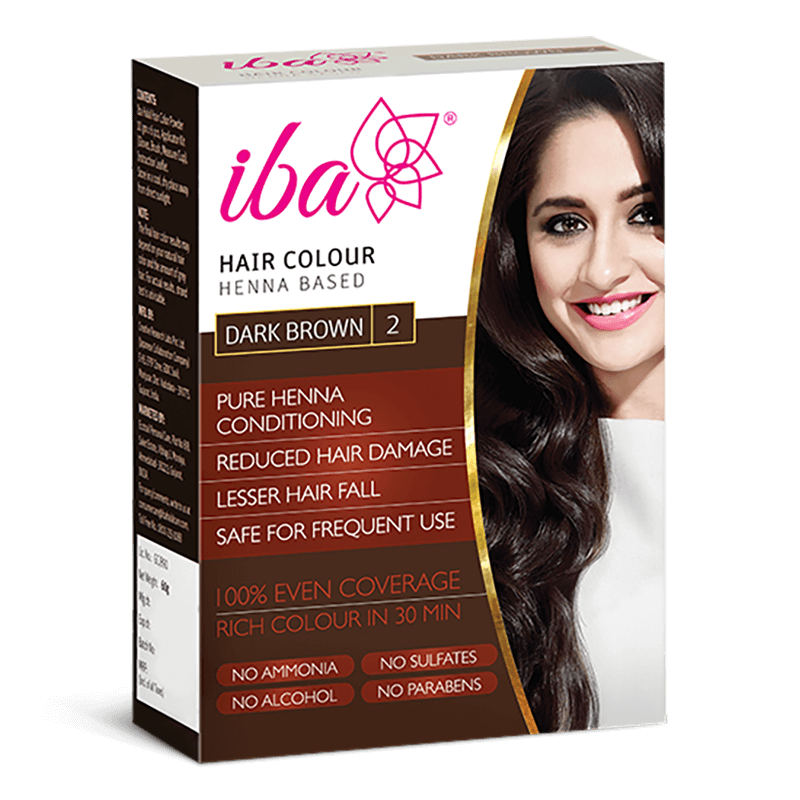
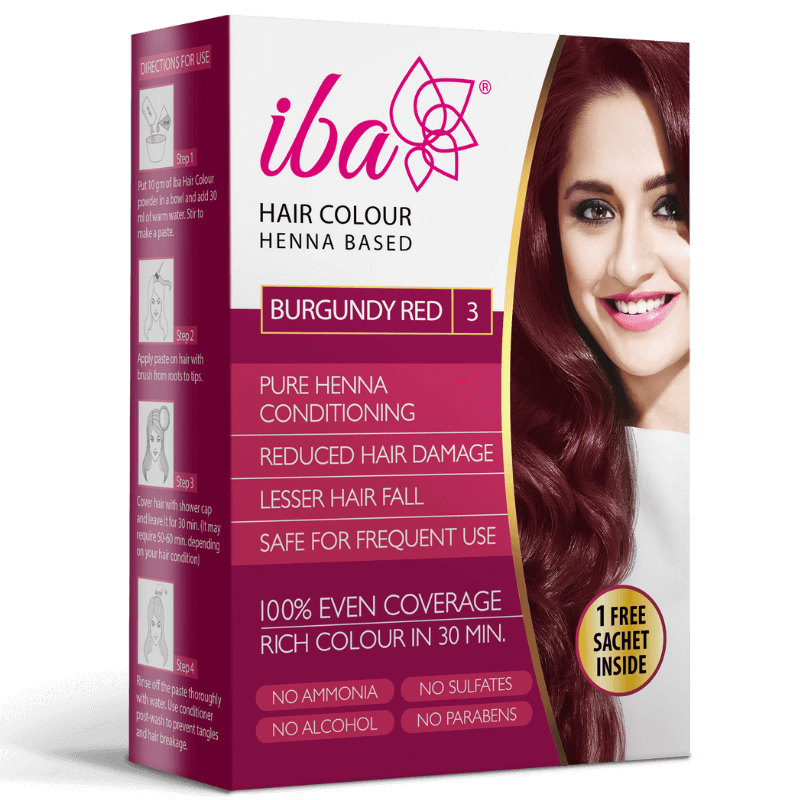
For an excellent option that checks all these boxes, consider Iba Hair Color in shades like Dark Brown,Burgundy Red, or Dark Coal. These products are infused with pure, natural henna, completely ammonia-free, and designed specifically to avoid hair damage while delivering beautiful, lasting color. With a halal-certified and vegan formula, they represent what modern vegan hair color should be.
Final Thoughts
The choice between vegan hair color and chemical hair dye really comes down to what you value. If you want color that looks good while actually improving your hair health, vegan hair dye is worth trying. Your scalp will feel better, your hair will look stronger, and you'll have peace of mind knowing you're using natural ingredients.
Making the switch doesn't have to be complicated. Start with a quality vegan hair color product, follow the instructions carefully, and give it 2-3 applications to see the full benefit. Most people never look back.
Ready to experience the difference? Check out the current Coupons and Offers to get started with vegan hair color that's gentler on your hair and better for your scalp. Your healthier hair journey starts now.
Frequently Asked Questions
Q. Is vegan hair dye better than regular hair dye?
It depends on what matters to you. If you prioritize hair health, scalp comfort, and gentleness, vegan hair dye is better. If you want an immediate, dramatic color change in one application, traditional chemical hair dye might seem faster. However, over time, most people find that vegan hair color delivers better results for overall hair quality and health.
Q. What is the healthiest hair dye for your hair?
The healthiest option is hair dye without chemicals, specifically, vegan hair color made with plant-based ingredients like henna. These products condition while they color, maintain your hair's natural structure, and carry minimal risk of damage or irritation.
Q. What is the most damaging ingredient in hair dye?
Ammonia is typically the most problematic ingredient. It opens the hair cuticle aggressively and can weaken the protein structure of your hair. PPD (para-phenylenediamine) and other synthetic chemicals can also cause irritation and accumulate in hair over time. Ammonia-free products eliminate this primary concern.
Q. Are vegan products better for your hair?
Yes, generally speaking. Vegan hair color and other vegan beauty products avoid harsh chemicals and often include nourishing plant ingredients. They're formulated to work with your hair rather than against it, making them safer for regular use.
Q. What factors should I check when choosing a vegan hair colour product to ensure it's a safer option?
Look for: pure plant-based ingredients (especially henna), ammonia-free certification, vegan and cruelty-free status, positive user reviews, no harsh synthetic dyes, and ingredients that condition rather than just color. Reputable brands will be transparent about exactly what's in the product.
Q. Will switching from chemical dye to vegan hair colour reduce long-term hair damage?
Absolutely. People who switch from chemical hair dye to vegan hair color consistently report healthier hair within 2-3 months. The ammonia-free formula and conditioning ingredients actually improve hair quality over time instead of degrading it. Your hair becomes stronger, shinier, and more resilient with each application.
Also Read
How to Choose the Perfect Hair Colour for Indian Skin Tones
How to Colour Hair at Home? - Step-by-Step Guide
Ultimate Guide to Brown Hair Color Shades - Shades That Suit You Best
10 Perfect Hair Colors for Pale Skin Tone
Top 7 Henna Benefits for Hair Growth
Last-Minute Black Friday Skincare Beauty Deals For Vegan Skin & Hair Care