
You have probably seen "humectant" on the back of a moisturizer or serum and scrolled right past the word. But here is why that matters: humectants are the reason some products leave your skin feeling plump and hydrated while others dry you out within an hour.
If you have ever wondered what are humectants in skin care, how they work, and which ones suit Indian skin best, you are about to get some very useful answers. So, let’s get started.
What Are Humectants and How Do They Work?
A humectant is a moisture-attracting ingredient. When applied to skin, humectants draw water from two sources: the deeper layers of your skin (the dermis) and the surrounding environment, especially when humidity is above 70%.
Think of a humectant like a sponge sitting on your skin's surface, constantly pulling in water molecules and holding on to the hydration. The result? Skin that looks dewy, feels soft, and stays hydrated longer.
Humectants vs. Emollients vs. Occlusives
Humectants are different from emollients and occlusives, and understanding the difference helps you build a smarter routine.
|
Ingredient Type |
What Does the Ingredient Do? |
Examples |
|
Humectant |
Attracts and binds water to the skin |
Hyaluronic acid, glycerin, aloe vera |
|
Emollient |
Softens and smooths the skin surface |
Jojoba oil, squalane, shea butter |
|
Occlusive |
Seals moisture in, prevents evaporation |
Petroleum jelly, beeswax, silicones |
A well-formulated moisturizer typically combines all three types for complete hydration.
The Best Humectants for Indian Skin
Indian skin deals with a unique set of challenges: high humidity in coastal and tropical regions, extreme dryness in northern winters, pollution exposure, and frequent sun damage.
Choosing the right humectants in skincare in India routines can make a real difference. Here are the top humectants worth looking for on product labels:
Hyaluronic Acid
Hyaluronic acid can hold up to 1,000 times its own weight of water molecules. The ingredient works beautifully for dehydrated, oily, and combination skin because the texture is lightweight and absorbs quickly.
In humid Indian cities like Mumbai or Chennai, hyaluronic acid pulls moisture from the air for a naturally dewy finish. For drier climates like Delhi winters, always layer a hyaluronic acid serum under an occlusive moisturizer to lock hydration in.
Glycerin
Glycerin is one of the most effective and time-tested humectants available. The molecule is smaller than hyaluronic acid, so glycerin penetrates deeper into the skin and provides sustained hydration.
Glycerin also strengthens the skin barrier over time. You will commonly see glycerin listed in face washes, body lotions, and moisturizers. For very dry skin, glycerin-based products paired with an occlusive layer at night deliver the best results.
Aloe Vera
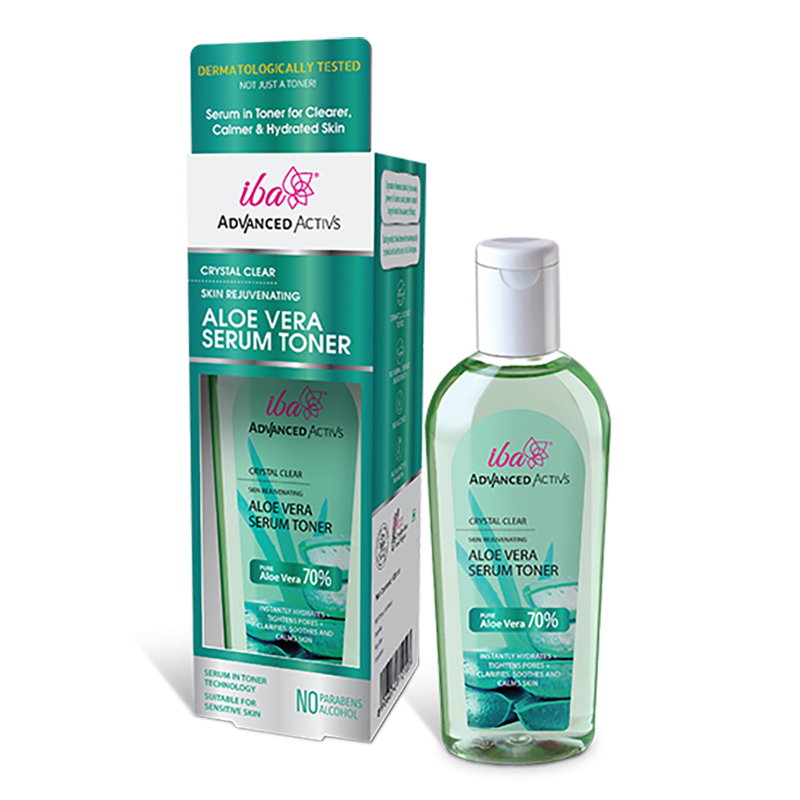
Aloe vera functions as both a humectant and a soothing agent. The ingredient hydrates without clogging pores and calms irritated or sun-exposed skin, making aloe vera a great fit for Indian summers. Look for aloe vera in toner, lightweight gel moisturizers, and after-sun products.
Panthenol (Pro-Vitamin B5)
Panthenol attracts moisture, reduces redness, and supports skin repair. The ingredient is gentle enough for sensitive skin and works well in lip balms, body lotions, and post-shave products.
Sodium PCA
Sodium PCA is a naturally occurring component of the skin's own natural moisturizing factor (NMF). The ingredient hydrates without heaviness or stickiness, making sodium PCA ideal for oily or acne-prone Indian skin types.
How to Choose the Right Humectant for Your Skin Type
Not every humectant suits every skin type. Here is a quick guide:
Dry skin
Go with glycerin or hyaluronic acid paired with an emollient-rich moisturizer. A humectant alone, without an occlusive layer, can actually worsen dryness in low-humidity environments. The best humectants for dry skin in India routines combine moisture attraction with moisture sealing.
Oily or combination skin
Lightweight humectants like hyaluronic acid and sodium PCA hydrate without adding shine or heaviness. A gel-based moisturizer with humectants keeps oily skin balanced.
Sensitive skin
Glycerin, panthenol, and aloe vera are gentle and non-irritating. Avoid high-concentration urea or alcohol-based formulas with humectants, as the combination can sting or irritate.
A Simple Humectant-Friendly Routine
A good daily skincare routine does not need to be complicated. Just follow these steps:
- Morning: Gentle face wash → humectant serum or moisturizer on damp skin → sunscreen
- Evening: Face wash → humectant serum → moisturizer with emollient or occlusive ingredients
Common Mistakes to Avoid with Humectants
Even the best humectant can backfire if used incorrectly.
- Applying to dry skin: Humectants need existing water to bind to. Apply serums and moisturizers within 60 seconds of washing your face.
- Skipping an occlusive in dry weather: In low-humidity conditions like air-conditioned rooms or dry winters, a humectant used alone can pull water from deeper skin layers, leaving skin drier. Always seal with a cream or oil-based moisturizer.
- Layering too many humectant-heavy products: Using a hyaluronic acid serum, glycerin toner, and humectant-rich moisturizer all at once can overwhelm skin. Keep the routine balanced.
- Ignoring sunscreen: Sun exposure damages the skin barrier and accelerates moisture loss regardless of how many humectants you use.
Hydration Is a Strategy, Not a Single Product
Humectants are foundational to healthy, hydrated skin, but the key is pairing the right humectant with the right routine for your skin type and climate. Indian skin benefits hugely from humectant-rich products, especially when combined with gentle, barrier-friendly formulations free from parabens, sulfates, and alcohol.
Searching for clean, naturally formulated skincare at great prices? Check out the Iba Cosmetics Coupon Codes Page for current deals.
Frequently Asked Questions
Q. Is glycerin or hyaluronic acid better for Indian skin?
Both work well. Glycerin penetrates deeper and suits very dry skin. Hyaluronic acid is lighter and ideal for oily, combination, or dehydrated skin.
Q. Can humectants make dry skin worse?
Yes, if used without an occlusive layer in low-humidity environments. Always seal humectant products with a cream or oil-based moisturizer.
Q. Are humectants safe for oily or acne-prone skin?
Absolutely. Lightweight humectants like hyaluronic acid and sodium PCA hydrate without clogging pores or adding greasiness.
Q. Should humectants be applied to wet or dry skin?
Always apply to damp skin. Humectants need existing water to bind to, so applying within 60 seconds of cleansing gives the best results.
Q. Is aloe vera a humectant?
Yes. Aloe vera attracts moisture and also soothes inflammation, making the ingredient excellent for sun-exposed or irritated skin.
Q. Can you use humectants every day?
Yes. Humectants are generally gentle enough for daily use across all skin types. Pair with a moisturizer for complete hydration.