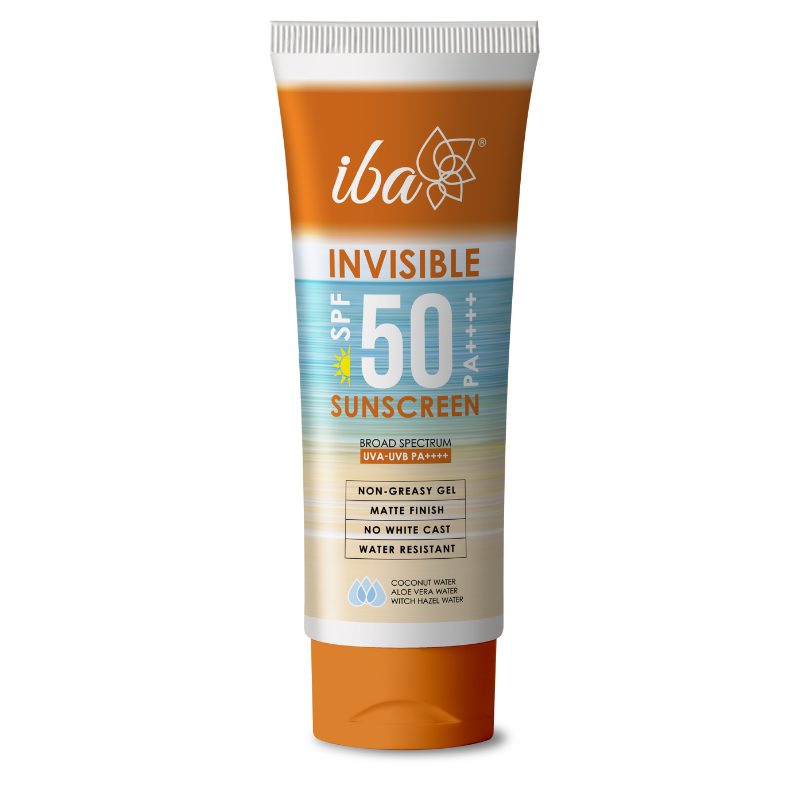

Does your sunscreen make your face look like an oil slick by noon? If you have oily skin, you have probably dealt with sunscreens that feel heavy, clog pores, or leave a greasy film that ruins your makeup. And that frustration often leads to skipping SPF altogether, which is the worst thing you can do for your skin.
The best sunscreen for oily skin in India does not have to feel heavy. The right formula controls shine, sits well under makeup, and protects without adding to the grease. Here is how to choose sunscreen for oily skin the right way.
What Makes Oily Skin Different When Choosing Sunscreen?
Oily skin has unique needs that most generic sunscreens do not address well enough.
Your skin produces excess sebum, especially across the T-zone. And when you add India's humidity on top of that, most cream-based sunscreens feel unbearable within hours.
Oily and acne-prone skin needs non-comedogenic formulas that will not block pores and trigger breakouts. The real task is finding sun protection that delivers strong UV protection while still feeling light, breathable, and comfortable on already oily skin.
What to Look for in a Sunscreen for Oily Skin
A sunscreen for oily, acne-prone skin needs more than just a high SPF number. Here are the key checkboxes:
- Gel or water-based texture: Lightweight formulas absorb quickly into the skin without leaving a greasy layer, making them ideal for humid weather and daily wear.
- Matte or Semi-Matte Finish: Helps control excess shine and keeps your skin looking fresh for longer, especially in hot and humid conditions.
- Non-Comedogenic Label: Indicates the formula is designed not to clog pores, reducing the risk of acne and breakouts over time.
- Oil-Free Formula: Prevents additional oil buildup on the skin, which is essential when your skin is already producing excess sebum.
- SPF 50 with PA++++: Provides strong protection against both UVB and UVA rays, which is necessary for Indian sun exposure.
- Lightweight Feel: Ensures the sunscreen layers well under makeup without pilling or feeling heavy on the skin.
Best Ingredients in Sunscreen for Oily Skin
The right sunscreen for oily skin does more than protect from UV rays. Certain ingredients can actively help balance oil and improve overall skin clarity.
|
Look For |
Why It Helps |
|
Niacinamide |
Regulates oil, minimizes pores |
|
Zinc oxide |
Mattifies, soothes acne-prone skin |
|
Hyaluronic acid |
Hydrates without oil |
|
Vitamin C |
Brightens, fights dullness |
- Niacinamide: Regulates sebum production and minimizes pore appearance. A great multitasker for oily skin.
- Zinc oxide: Provides a natural mattifying effect while soothing acne-prone areas. Often found in mineral sunscreens.
- Hyaluronic acid: Hydrates without oil, keeping skin balanced so it does not overcompensate by producing more sebum.
- Vitamin C: Brightens dull, oily skin and fights post-acne pigmentation marks.
Ingredients to Avoid
Stay away from heavy oils like coconut oil and mineral oil, which clog pores. Excess alcohol can over-dry the skin and trigger a rebound oil production. Thick emollients and artificial fragrances can also irritate breakout-prone skin.
How to Apply Sunscreen on Oily Skin
Getting the application right matters just as much as picking the right product. Here is the right way to apply:
- Step 1: Cleanse First- Start with a clean face. Use a gentle face wash to remove overnight oil buildup.
- Step 2: Skip or Go Light on Moisturizer- If your sunscreen contains hydrating ingredients like hyaluronic acid, you can skip a separate moisturizer or use a very lightweight one.
- Step 3: Use the Right Amount- About half a teaspoon for the face and neck. Under-application significantly reduces your SPF protection.
- Step 4: Let It Set- Wait 2 to 3 minutes before applying makeup. A gel sunscreen absorbs faster than a cream, so this wait time is usually short.
- Step 5: Reapply Smartly- Every two hours if outdoors. For touch-ups over makeup, blotting papers followed by a compact with SPF works well without disturbing your base.
Common Mistakes to Avoid
Even with the right product, small errors can reduce your sunscreen's effectiveness or make oiliness worse.
- Using body sunscreen on the face: Body formulas are heavier and not designed for facial skin. Always use a face-specific formula.
- Over-mattifying: Using extremely drying products to combat oil can damage the skin barrier and trigger even more sebum production.
- Skipping SPF on cloudy days: Up to 80% of UV radiation passes through clouds. Daily application matters regardless of the weather.
- Applying on dirty skin: Sunscreen layered over dirt and oil traps bacteria against the skin, which leads to breakouts.
Final Takeaway
Finding the best sunscreen for oily skin in India takes a bit of trial and error, but once you get it right, everything else in your routine starts working better, too. A well-formulated gel or serum sunscreen with SPF 50 should control shine, protect against UV damage, and sit comfortably under makeup all day.
You can browse the Iba Cosmetics Coupon Codes Page to find sunscreen options that fit easily into your daily routine. When your sunscreen feels light and comfortable, sticking to it every day becomes effortless.
FAQs
Q. Which sunscreen is best for oily skin in India?
A gel or water-based sunscreen with a matte finish, SPF 50, and PA++++ works best for oily skin in Indian weather. Non-comedogenic and oil-free labels are essential.
Q. Can oily skin skip moisturizer before sunscreen?
Yes, if your sunscreen contains hydrating ingredients like hyaluronic acid. Many modern gel sunscreens double as lightweight moisturizers.
Q. Does sunscreen cause acne on oily skin?
Only if the formula is comedogenic or too heavy. A non-comedogenic, oil-free sunscreen designed for oily skin should not trigger breakouts.
Q. How often should oily skin reapply sunscreen?
Every two hours when outdoors. Indoors, a single morning application is usually enough unless you are near windows for extended periods.
Q. Can sunscreen reduce oiliness?
Some sunscreens with ingredients like niacinamide and zinc oxide can help regulate oil production and keep your skin looking less shiny.
Q. Is gel sunscreen better for oily skin?
Yes. Gel sunscreens absorb faster, feel lighter, and are less likely to clog pores compared to cream-based formulas.