
Key Takeaways
-
Rice water contains vitamins, amino acids, and antioxidants that naturally brighten skin, reduce inflammation, and tighten pores without harsh chemicals.
-
Making rice water at home is simple; just soak rice for 30 minutes or try the fermented method for enhanced potency.
-
Regular application of rice water helps balance oil production, making it beneficial for all skin types, from dry to oily and acne-prone.
-
Rice water serves multiple functions in your skincare routine. Use it as a toner, cleanser, face mask, or spot treatment depending on your needs.
-
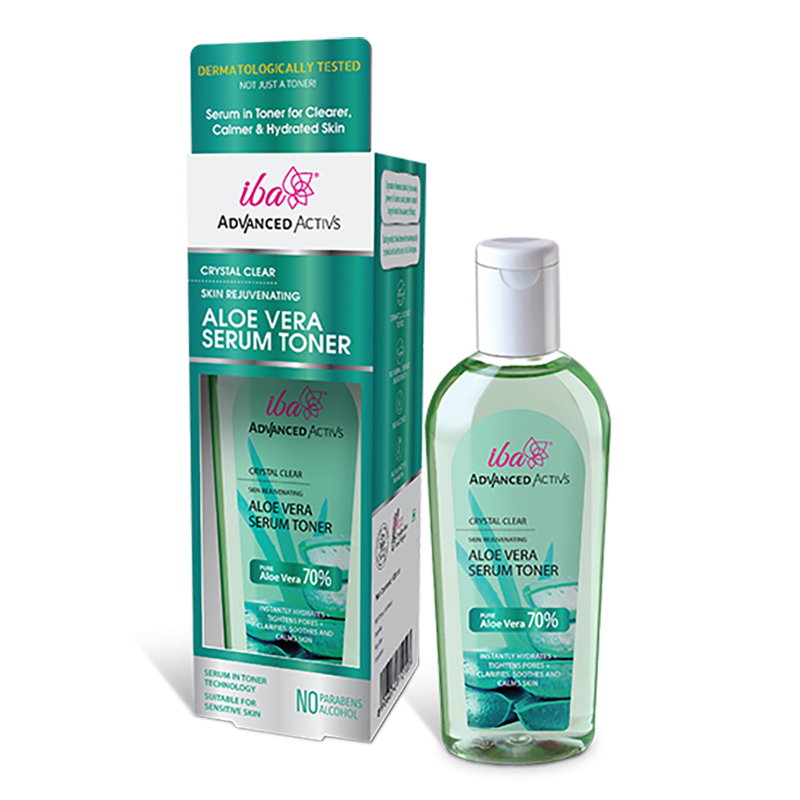
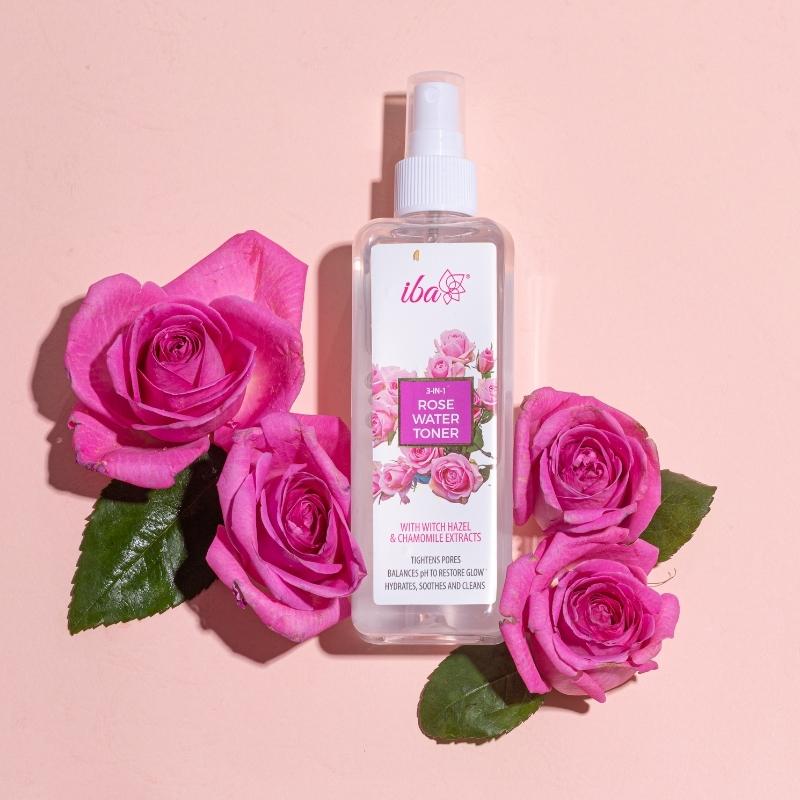
For convenient alternatives with similar benefits, consider Iba's Crystal Clear Aloe Vera Serum Toner or 3-in-1 Rose Water Toner.
-
Store rice water in the refrigerator for up to a week and use 2-3 times weekly for optimal results without over-drying your skin.
Have you ever wondered why many Asian women are known for their radiant skin? One of their age-old beauty secrets might be sitting in your kitchen pantry right now: rice water. This humble ingredient has been a cornerstone of traditional beauty rituals for centuries, particularly in countries like Japan, Korea, and China.
Rice water is the starchy liquid that remains after soaking or cooking rice. While it might seem like something you'd typically pour down the drain, this cloudy liquid is packed with vitamins, minerals, and antioxidants that can work wonders for your skin.
If you're looking for a simple, cost-effective addition to your skincare routine that promotes healthier, clearer skin, rice water might just be the answer you've been searching for.
Let's explore the remarkable benefits of rice water for skin and how you can incorporate this natural elixir into your beauty regimen for a naturally glowing complexion.
What is Rice Water?
Rice water is simply the water that remains after rice has been soaked or cooked. This starchy liquid contains many nutrients that have been extracted from the rice during the soaking or cooking process.
Nutritional Composition
Rice water is rich in:
-
B vitamins (including B1, B2, B3, and B6)
-
Amino acids
-
Minerals
-
Antioxidants
-
Inositol (a carbohydrate that helps promote cell growth and stimulates blood flow)
-
Ferulic acid (a powerful antioxidant)
-
Allantoin (known for its skin-soothing properties)
This nutrient-rich composition is what makes rice water so beneficial for skin health and appearance.
10 Amazing Benefits of Rice Water for Face
1. Natural Skin Brightening
Rice water contains compounds that inhibit melanin production, the pigment responsible for skin darkening. Regular application can help brighten skin naturally and promote a more even complexion.
Studies suggest that the presence of inositol in rice water helps promote cell turnover and stimulates blood flow to the skin, resulting in a brighter, more radiant appearance.
2. Soothes Irritated Skin
The anti-inflammatory properties of rice water make it excellent for calming irritated skin. If you have sunburn, eczema, or general skin irritation, applying rice water can provide immediate relief.
Rice water creates a protective barrier on the skin that helps reduce inflammation while delivering soothing nutrients that accelerate healing.
3. Tightens Pores
The astringent properties in rice water help tighten the skin and minimize the appearance of pores. This is particularly beneficial for those with oily skin or enlarged pores.
For a similar pore-tightening effect, you might consider the Iba Crystal Clear Skin Rejuvenating Aloe Vera Serum Toner, which helps reduce enlarged pores while balancing the skin's natural pH levels. Like rice water, this toner contains natural ingredients that work to refine and purify the skin without harsh chemicals.
4. Improves Skin Texture
Regular use of rice water can smooth and soften the skin, improving its overall texture. The amino acids present in rice water help stimulate collagen production, which is essential for maintaining skin elasticity and firmness.
5. Natural Moisturizer
Rice water contains natural humectants that help draw moisture into the skin. This makes it an excellent natural moisturizer for all skin types, particularly for those with dry or dehydrated skin.
The starch in rice water forms a protective barrier on the skin, preventing moisture loss and keeping the skin hydrated throughout the day.
6. Balances Oil Production
For those with oily or combination skin, rice water helps balance sebum production without stripping the skin of its natural oils. This dual-action benefit makes it suitable for all skin types.
7. Reduces Signs of Aging
The antioxidants in rice water combat free radical damage, which is one of the main causes of premature aging. Regular application can help reduce the appearance of fine lines and wrinkles while improving skin elasticity.
8. Soothes Sunburn
The cooling and anti-inflammatory properties of rice water make it an effective remedy for sunburn. Applying rice water to sunburned skin can provide immediate relief and promote faster healing.
9. Helps with Acne and Blemishes
Rice water has mild astringent properties that can help reduce inflammation and redness associated with acne. It also helps control excess oil, preventing clogged pores that lead to breakouts.
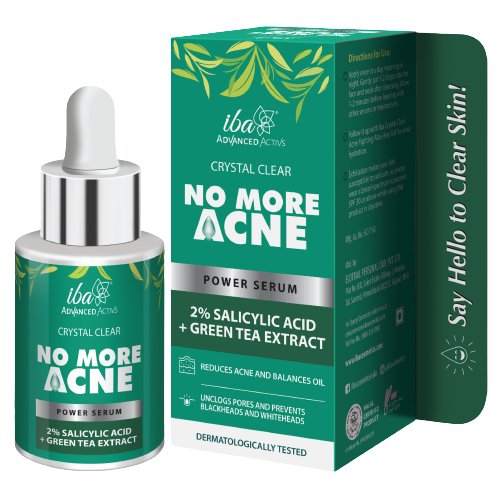
If you're specifically looking for acne solutions, you might want to check out Iba Advanced Activs 2% Salicylic Acid No More Acne Power Serum, which is designed to reduce acne and balance oil production, similar to how rice water works but with more targeted ingredients.
10. Natural Makeup Remover
Rice water can act as a gentle makeup remover that doesn't strip the skin of its natural oils. It effectively dissolves makeup while nourishing and hydrating the skin.
Similarly, the Iba 3-in-1 Rose Water Toner serves as an excellent makeup remover for light makeup while hydrating and soothing the skin. This multifunctional product offers the same gentle cleansing properties as rice water, with the added benefits of rose water.
How to Make Rice Water for Face at Home
Making rice water at home is simple and cost-effective. Here are three methods you can try:
1. Simple Soaking Method
What You'll Need:
-
½ cup of uncooked rice (white, brown, or jasmine)
-
2-3 cups of clean water
-
A bowl
-
A strainer
-
A clean, airtight container
Steps:
-
Rinse the rice thoroughly to remove any dirt or impurities.
-
Place the rinsed rice in a bowl and add 2-3 cups of water.
-
Let the rice soak for 15-30 minutes.
-
Strain the rice water into a clean container.
-
Your rice water is ready to use.
2. Fermented Rice Water Method
Benefits: Fermented rice water has more antioxidants and nutrients, making it more potent for skincare.
Steps:
-
Follow the soaking method above.
-
Instead of using the rice water immediately, let it sit at room temperature for 12-24 hours to ferment.
-
When the rice water develops a slightly sour smell, refrigerate it to stop fermentation.
-
Dilute the fermented rice water with plain water (1:3 ratio) before applying to the skin, as it's more concentrated.
3. Boiled Rice Water Method
Steps:
-
Cook ½ cup of rice with extra water.
-
Once the rice is cooked, strain out the rice water and let it cool.
-
Store in a clean container.
How to Use Rice Water on Face for Best Results
As a Facial Cleanser
-
Pour rice water into a clean bowl.
-
Dip a cotton pad into the rice water and gently wipe your face.
-
Alternatively, splash rice water onto your face and massage gently in circular motions.
-
Rinse with clean water if desired, or leave it on for maximum benefits of applying rice water on the face.
As a Toner
-
After cleansing your face, soak a cotton pad in rice water.
-
Gently pat the rice water onto your face.
-
Allow it to air dry.
-
Follow with your regular moisturizer.
For a ready-made toner alternative that offers similar benefits, try the Iba 3-in-1 Rose Water Toner. Like rice water, it hydrates, soothes, and balances the skin while tightening pores and maintaining pH balance.
As a Face Mask
-
Mix 3 tablespoons of rice water with 1 tablespoon of honey or yogurt.
-
Apply the mixture to your face and leave it on for 15-20 minutes.
-
Rinse with lukewarm water.
As a Spot Treatment
-
Dip a cotton swab in rice water.
-
Apply directly to pimples, dark spots, or areas of concern.
-
Leave overnight for maximum effect.
Rice Water for Different Skin Types
|
Skin Type |
Benefits |
How to Use |
|
Dry Skin |
Hydrates, softens, and nourishes |
Use as a mask mixed with honey or avocado; apply daily |
|
Oily Skin |
Balances sebum, tightens pores |
Use as a toner twice daily; mix with tea tree oil |
|
Combination Skin |
Balances overall skin condition |
Use as a toner; focus on the T-zone |
|
Sensitive Skin |
Soothes, reduces inflammation |
Use diluted rice water (1:1 with regular water) |
|
Mature Skin |
Reduces fine lines, improves elasticity |
Use fermented rice water as a mask with aloe vera gel |
|
Acne-Prone Skin |
Reduces inflammation, controls oil |
Mix with neem or tea tree oil; use as a spot treatment |
Rice Water vs. Other Natural Skin Remedies
While rice water is highly effective, you might be wondering how it compares to other natural skin remedies:
-
Rice Water vs. Aloe Vera: Both have soothing properties, but rice water is better for brightening, while aloe vera excels at healing. For optimal results, try Iba Crystal Clear Skin Rejuvenating Aloe Vera Serum Toner, which combines aloe's healing properties with additional skin-clarifying benefits.
-
Rice Water vs. Rose Water: Rice water has more starch and protein, making it better for texture improvement, while rose water is more fragrant and offers excellent toning benefits. The Iba 3-in-1 Rose Water Toner provides these toning benefits along with makeup removal properties.
-
Rice Water vs. Green Tea: Rice water is more hydrating, while green tea offers stronger antioxidant protection. Both work well for reducing inflammation.
-
Rice Water vs. Honey: Rice water is lighter and better for daily use, while honey is more moisturizing but can be sticky.
Precautions and Side Effects
While rice water is generally safe for most skin types, consider these precautions:
-
Perform a patch test: Before applying rice water to your face, test it on a small area of your skin to check for any adverse reactions.
-
Don't overuse: Using rice water too frequently might dry out your skin due to its starch content. Start with 2-3 times a week.
-
Store properly: Rice water can spoil quickly. Store it in the refrigerator and use it within 5-7 days. Discard if it develops an unusual smell or appearance.
-
Dilute if necessary: If you have sensitive skin, dilute rice water with regular water before applying.
-
Avoid if allergic to rice: If you have a known rice allergy, avoid using rice water on your skin.
Incorporating Rice Water into Your Skincare Routine
Morning Routine
-
Cleanse with a gentle face wash
-
Apply rice water as a toner
-
Follow with serum (such as Iba Advanced Activs 10% Niacinamide No More Spots Power Serum for targeting specific concerns)
-
Moisturize
-
Apply sunscreen
Evening Routine
-
Remove makeup (rice water can help with this)
-
Cleanse thoroughly
-
Apply rice water as a toner or mask
-
Apply night cream or oil
Weekly Treatment
-
Use a rice water face mask 1-2 times a week
-
Follow with a hydrating serum or oil
Storage and Shelf Life
-
Fresh rice water: Store in the refrigerator for up to 1 week
-
Fermented rice water: Store in the refrigerator for up to 2 weeks
-
Boiled rice water: Store in the refrigerator for up to 1 week
Always keep rice water in a clean, airtight container and check for any signs of spoilage before each use.
Final Thoughts
Rice water is a versatile, natural skincare ingredient that offers multiple benefits for skin. From brightening and tightening to soothing and balancing, this simple kitchen staple can transform your skincare routine.
While rice water is an excellent DIY option, not everyone has the time to prepare it regularly. For those seeking similar benefits in ready-to-use formulations, Iba Cosmetics offers natural alternatives like the Iba Crystal Clear Skin Rejuvenating Aloe Vera Serum Toner and the Iba 3-in-1 Rose Water Toner. Both products harness the power of natural ingredients to deliver clear, balanced skin without harsh chemicals.
Remember that consistency is key when it comes to skincare. Whether you choose rice water or quality natural products, regular use will yield the best results. And don't forget to check out Iba Cosmetics' coupons page for the latest deals on natural skincare products that complement your beauty routine.
Embrace the power of natural skincare and let your true beauty shine through!
Frequently Asked Questions
1. What are the benefits of rice water for skin?
Rice water is packed with vitamins, minerals, and antioxidants that provide multiple skin benefits. It brightens the complexion, tightens pores, balances oil production, soothes irritation, improves skin texture, reduces signs of aging, helps with acne, and acts as a natural moisturizer.
2. How to make rice water for the face at home?
You can make rice water at home using three methods: the soaking method (soak rice in water for 15-30 minutes), the fermented method (soak rice water at room temperature for 12-24 hours), or the boiled method (collect the water used to cook rice). All methods are effective, but fermented rice water is considered the most potent.
3. Can rice water help with acne and pimples?
Yes, rice water can help with acne due to its anti-inflammatory and astringent properties. It helps reduce redness and swelling associated with acne, controls excess oil production, and helps tighten pores, which prevents future breakouts. For best results, use as a toner or spot treatment daily.
4. How often should I use rice water on my face?
For most skin types, using rice water 2-3 times a week is ideal. If you have very dry skin, limit use to 1-2 times weekly to prevent over-drying. Those with oily or acne-prone skin may benefit from daily use. Always monitor how your skin responds and adjust frequency accordingly.
5. Does rice water help with skin brightening?
Yes, rice water contains compounds that inhibit melanin production (the pigment responsible for dark spots) and promotes cell turnover, resulting in brighter skin. Regular use helps fade dark spots, even out skin tone, and give the skin a natural glow.
6. Can rice water reduce dark spots and pigmentation?
Rice water can help reduce dark spots and pigmentation over time. The amino acids and vitamins in rice water promote cell regeneration, while the mild exfoliating action helps remove dead skin cells that can make pigmentation appear worse. Consistent use for 2-3 weeks typically shows visible results.
7. Is rice water suitable for all skin types?
Yes, rice water is generally suitable for all skin types. It balances oil production for oily skin, provides hydration for dry skin, and soothes sensitive skin. However, those with extremely dry skin should use it in moderation, as the starch content might be slightly drying if overused.
8. How to apply rice water on the face for the best results?
For best results, apply rice water using a cotton pad as a toner after cleansing. Alternatively, use as a face mask by mixing it with honey or yogurt, or as a facial rinse by splashing it onto the face. Allow it to air dry for maximum absorption of nutrients. Always follow with moisturizer.
9. Can I store rice water, and for how long?
Yes, you can store rice water in the refrigerator in a clean, airtight container. Fresh rice water lasts up to 1 week, while fermented rice water can be stored for up to 2 weeks. Always check for any unusual smell or appearance before use, and discard if it shows signs of spoilage.
10. Are there any side effects of using rice water on the skin?
Rice water is generally safe, but some people might experience dryness if used too frequently due to its starch content. In rare cases, it may cause irritation or allergic reactions, especially for those with rice allergies. Always perform a patch test before full application and discontinue use if irritation occurs.