
Your morning skincare routine probably includes both moisturizer and sunscreen, but which one comes first? This simple question confuses many people, yet the answer matters for how well these products protect your skin.
The order in which you apply products directly affects their effectiveness. Apply them wrong, and you reduce their benefits without realizing it. We're here to clear up this confusion and help you build a skincare routine that actually works.
Understanding What Moisturizer and Sunscreen Do
Each product serves a different purpose on your skin.
Here's what you need to know:
What Does a Moisturizer Do?
Moisturizer hydrates your skin and locks moisture in, keeping it soft and resilient. Plant-based ingredients like ceramides strengthen your skin barrier, reducing breakouts.
What Does a Sunscreen Do?
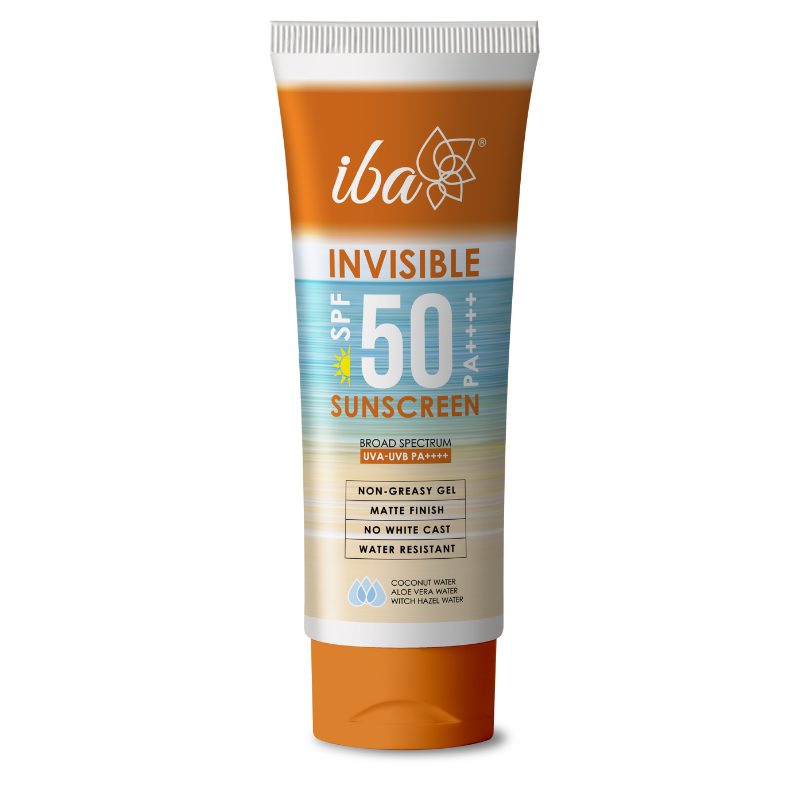
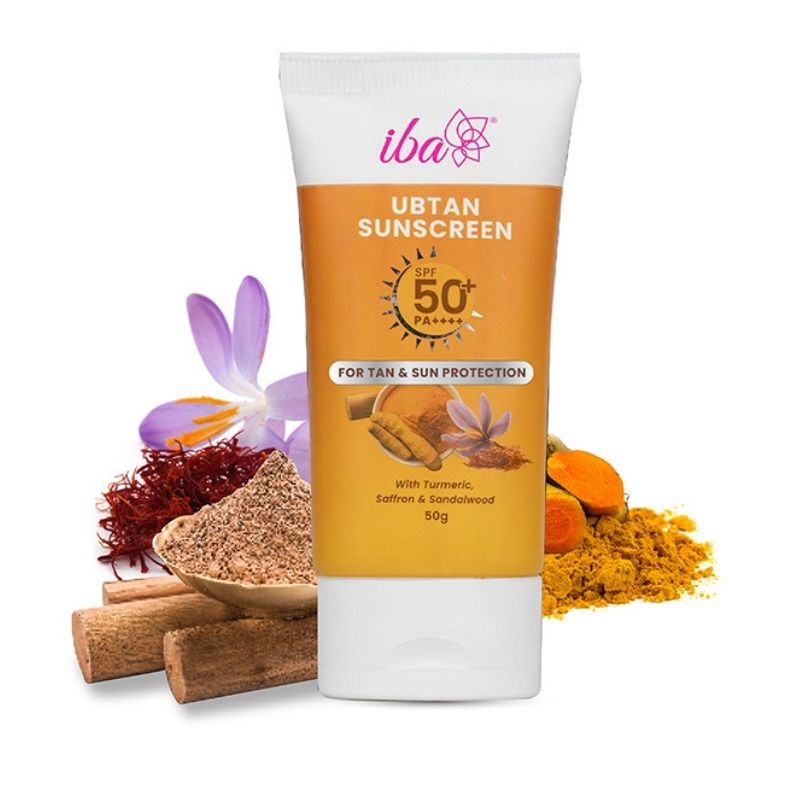
A sunscreen absorbs into your skin and converts UV rays into heat. Daily use prevents premature aging and dark spots. Among all options, SPF sunscreen provides the best protection against harmful UV rays, making it the most reliable choice for everyday defense.

The Answer: Moisturizer First, Then Sunscreen
Apply moisturizer first, then sunscreen.
Here's your simple routine:
|
Step |
Purpose |
|
Removes dirt and oil |
|
|
Moisturizer |
Hydrates and nourishes |
|
Sunscreen |
Protects from UV rays |
|
Wait 15 minutes |
Allows sunscreen to activate |
This order works because sunscreen sits on top of your skin to form a protective layer. Applying moisturizer afterward can dilute that protection and reduce effectiveness.
A sunscreen absorbs into your skin to work effectively. Apply moisturizer first to create a smooth base for even absorption. After applying sunscreen, wait 15 minutes before going outside for full activation.
How to Layer Your Products Correctly
Timing matters. Here's the step-by-step process:
Step 1: Cleanse Your Face
Remove dirt and oil with a gentle cleanser. Takes about 30 seconds to a minute.
Step 2: Apply Moisturizer
Massage into your skin and wait 1-2 minutes to absorb.
Step 3: Apply Sunscreen
Use a nickel-sized amount across your face. Wait 15 minutes before sun exposure.
Pro tip: Each product needs time to absorb for maximum effectiveness.

Additional Habits for Maximum Sun Protection
A sunscreen is important, but consider some small lifestyle changes to maximise sun protection.
For Hydration
- Drink enough water daily
- Apply moisturizer to damp skin
- Get 7-9 hours of sleep
For Sun Protection
- Seek shade between 10 AM and 4 PM
- Wear hats and protective clothing
- Wear sunglasses
Iba moisturizers use plant-based ingredients, free from alcohol, sulfates, and parabens. Our sunscreens protect without harsh chemicals.
What Happens When You Get the Order Wrong?
- Reduced Sun Protection: If chemical sunscreen doesn't absorb properly, you lose full SPF benefits.
- Uneven Application: Wet moisturizer creates gaps in protection.
- Wasted Product: Incorrect layering means no results from products you paid for.
Final Thoughts
Moisturizer first, sunscreen second. This simple rule protects your skin while keeping it hydrated. Getting your skincare order right is one of those small changes that creates real results.
Ready to find products that work for your skin type? Check out the Iba Cosmetics Coupons and Offers page to explore our full range of moisturizers and sunscreens with exclusive deals.
Frequently Asked Questions
Q. Can I skip moisturizer if I have oily skin?
No. Even oily skin needs hydration. Use lightweight, gel-based, or non-comedogenic moisturizers. Or consider sunscreens with a moisturizing base.
Q. How often should I reapply sunscreen?
Reapply every 2 hours, or immediately after swimming or sweating.
Q. Can I use a moisturizer with SPF instead?
It's better than nothing, but a dedicated sunscreen works better. SPF moisturizers are diluted with hydrating ingredients.
Q. How long should I wait between moisturizer and sunscreen?
Just 1-2 minutes for absorption. Then wait 15 minutes before sun exposure for chemical sunscreen activation.
Q. Do I need different moisturizers for day and night?
You can use the same one, but many prefer richer night formulas for extra nourishment.
Q. What if my skin feels sticky or uncomfortable?
You might be using too much product or applying it before absorption. Try less product or lighter formulas for your skin type.