
Dark circles under the eyes can make anyone feel less confident about their appearance. Whether caused by late nights, genetics, or natural aging, these shadowy areas often become our biggest beauty concern. The good news is that with the right techniques and products, you can easily learn how to hide dark circles with makeup and achieve bright, refreshed-looking eyes.
Many people struggle with how to cover dark circles with makeup effectively, often ending up with cakey or unnatural results. This comprehensive guide will teach you practical, easy-to-follow methods that work for all skin types and dark circle intensities. From natural remedies to professional makeup techniques, we'll cover everything you need to know about concealing those stubborn under-eye shadows.
Understanding Dark Circles: Types and Causes
Before learning how to hide dark circles under the eyes with makeup, it's important to understand what causes them. This knowledge helps you choose the right approach and products for your specific situation.
Common Causes of Dark Circles
|
Cause |
Description |
Best Treatment Approach |
|
Genetics |
Inherited thin skin or pigmentation |
Color correction + concealer |
|
Fatigue |
Lack of sleep causing blood vessel dilation |
Hydrating products + concealer |
|
Age |
Natural skin thinning over time |
Moisturizing + gentle coverage |
|
Allergies |
Inflammation causing darkness |
Anti-inflammatory care + makeup |
|
Dehydration |
Poor circulation affecting the under-eye area |
Hydration + color correction |
Types of Dark Circles
Understanding your dark circle type helps determine the best concealing strategy:
- Blue/Purple Circles: Caused by blood vessels showing through thin skin
- Brown Circles: Result from excess melanin or pigmentation
- Red Circles: Often related to allergies or irritation
- Mixed Circles: Combination of multiple factors
Essential Tools and Products for Concealing Dark Circles
The right tools make all the difference when learning how to conceal dark circles under the eyes. Here's what you'll need in your makeup arsenal:
Basic Tools Required
- Small, dense concealer brush - For precise application
- Beauty sponge or blender - For seamless blending
- Small fluffy brush - For setting powder
- Clean fingertips - For gentle blending when needed
Product Essentials
Color Correctors: Choose based on your dark circle type
- Orange/peach for deeper skin tones with blue circles
- Yellow for brown circles and mild discoloration
- Pink for fair skin with blue undertones
- Concealer: Select one shade lighter than your skin tone for a brightening effect.
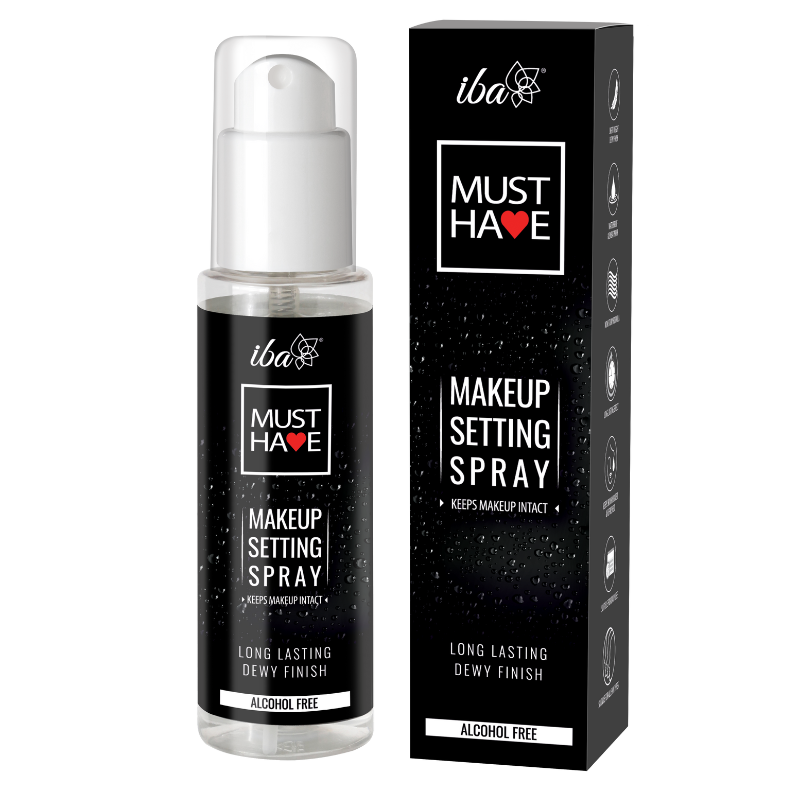
Setting Products: Translucent powder or setting spray to lock everything in place.
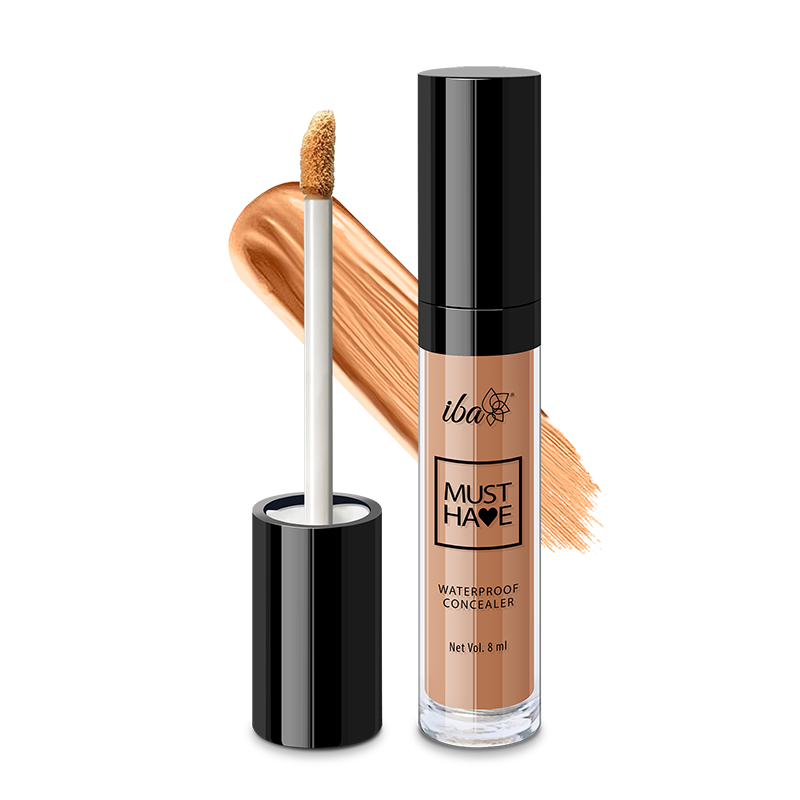
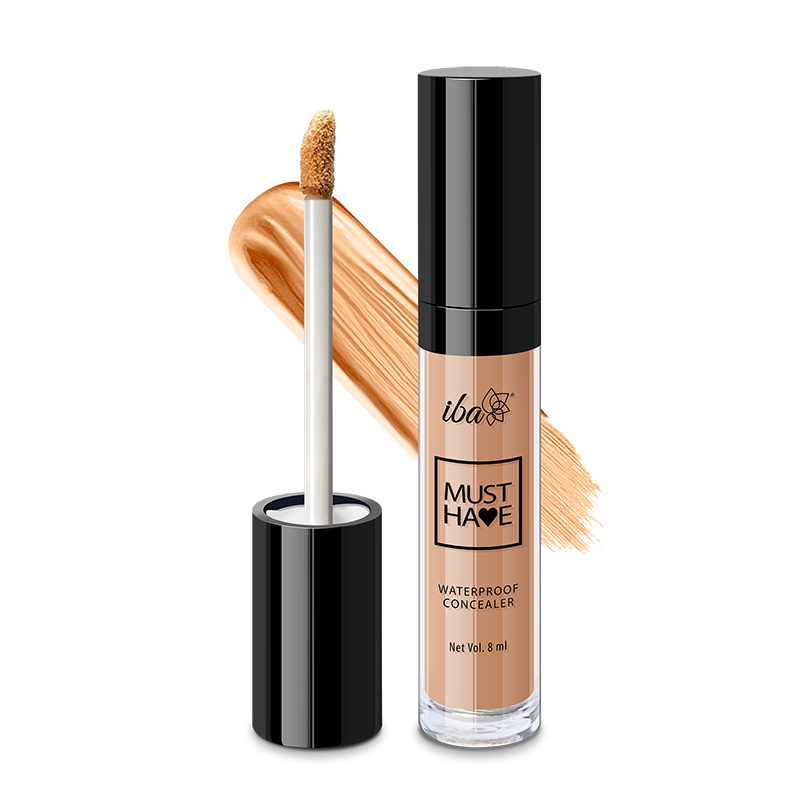
For those seeking a reliable, waterproof concealer, the Iba Must Have Waterproof Concealer offers excellent coverage with its ultra-pigmented formula. Infused with nourishing Argan and Jojoba extracts, it provides full coverage while being gentle on the delicate under-eye area.
Step-by-Step Guide: How to Hide Dark Circles with Makeup
Step 1: Prep Your Under-Eye Area
Start with clean, moisturized skin. Apply a lightweight eye cream and let it absorb completely. This creates a smooth base and prevents your makeup from looking dry or flaky.
Step 2: Apply Color Corrector (If Needed)
For how to cover very dark under-eye circles, color correction is essential:
- Apply a small amount of color corrector to the darkest areas
- Gently pat with your ring finger to blend
- Focus on the inner corners and directly under the lash line
- Don't over-apply - a little goes a long way
Step 3: Concealer Application
This is the most crucial step in learning how to hide dark under eyes:
- Apply concealer in an inverted triangle shape under each eye
- Start from the inner corner, extending to the outer corner
- Bring the triangle down to cover any darkness on the upper cheek
- Use gentle patting motions to blend outward
- Build coverage gradually - it's easier to add more than to remove excess
Step 4: Set Your Work
Apply a light dusting of translucent powder using a small brush. This prevents creasing and ensures your dark circle coverage lasts all day.
Color Correcting Techniques for Different Dark Circle Types
For Blue/Purple Dark Circles
These circles appear when blood vessels show through thin skin. How to cover dark circles with makeup in this case:
- Use peach or orange color corrector
- Apply concealer one shade lighter than skin tone
- Focus on the area closest to the nose where circles are darkest
For Brown Dark Circles
Pigmentation-based circles need different treatment:
- Yellow or peach corrector works best
- Use concealer matching your exact skin tone
- Consider using a slightly pink-toned concealer for extra brightening
For Mixed Dark Circles
When dealing with multiple factors:
- Start with the corrector that addresses the most prominent color
- Layer products carefully to avoid heaviness
- Use different correctors on different areas if needed
Tips for Long-Lasting Undereye Coverage
Learning how to hide dark circles under the eyes with makeup that stays put requires these professional tips:
Application Techniques
- Pat, Don't Rub: Always use gentle patting motions to avoid disturbing the delicate under-eye skin
- Thin Layers: Build coverage gradually with multiple thin layers rather than one thick application
- Set Properly: Use a light hand with setting powder to avoid cakiness
Product Selection
Choose products specifically designed for the under-eye area. The Iba Must Have Waterproof Concealer provides excellent staying power with its waterproof, sweat-proof formula while nourishing the skin with Vitamin E.
Environmental Factors
- Apply in good lighting to ensure even coverage
- Consider your daily activities when choosing product intensity
- Carry a small concealer for touch-ups if needed
Common Mistakes to Avoid When Covering Dark Circles
Mistake 1: Using Too Much Product
Overloading the under-eye area creates a cakey appearance and emphasizes fine lines. Start with a small amount and build gradually.
Mistake 2: Wrong Shade Selection
Using a concealer too light can create an obvious mask effect. Choose a shade that's only one tone lighter than your natural skin.
Mistake 3: Neglecting Color Correction
For darker circles, skipping color corrector means your concealer has to work harder and may not provide adequate coverage.
Mistake 4: Rough Application
The under-eye skin is delicate. Harsh rubbing or pulling can cause irritation and make dark circles more prominent over time.
Mistake 5: Forgetting to Set
Without setting powder, your carefully applied concealer may crease or fade within hours.
Minimal Makeup Approach to Cover Dark Circles for Daily Wear
For those wondering how to cover dark circles with minimal makeup, here's a simplified routine:
Quick 5-Minute Routine
- Moisturize with a hydrating eye cream
- Apply concealer directly to dark areas using your ring finger
- Blend gently outward using patting motions
- Set lightly with translucent powder
- Finish with a coat of mascara to draw attention to your lashes
Natural Enhancement Tips
- Focus concealer only on the darkest areas
- Use a slightly dewy concealer for a natural finish
- Skip harsh lines and blend everything seamlessly
- Consider tinted moisturizer instead of foundation for an overall fresh look
This approach works perfectly for daily wear, giving you fresh, bright eyes without looking overly made up. The Iba Must Have Waterproof Concealer is ideal for this purpose, providing natural-looking coverage that enhances rather than masks your features.
Professional Tips for Flawless Results
Lighting Matters
Always apply makeup in natural light when possible. This ensures you can see the true color and coverage of your products.
Temperature Considerations
Warm up cream products between your fingers before application. This makes them easier to blend and gives a more natural finish.
Brush vs. Fingers vs. Sponge
- Fingers: Best for initial application and gentle blending
- Brush: Ideal for precise application and building coverage
- Sponge: Perfect for seamless blending and natural finish
Maintaining Healthy Under-Eye Skin
While makeup helps hide dark circles, maintaining healthy skin is equally important:
Daily Care Tips
- Remove makeup gently each night
- Use a nourishing eye cream regularly
- Stay hydrated throughout the day
- Get adequate sleep when possible
- Protect eyes from sun damage with SPF
Natural Remedies to Try
Before reaching for makeup, consider these gentle natural approaches:
- Cold compresses to reduce puffiness
- Cucumber slices for their cooling effect
- Green tea bags for their anti-inflammatory properties
- Adequate hydration to improve overall skin appearance
Remember, these natural methods work best as preventive care alongside your makeup routine rather than replacements for concealer when you need immediate results.
Final Thoughts
Learning how to hide dark circles with makeup doesn't have to be complicated. With the right techniques, tools, and products, anyone can achieve bright, refreshed-looking eyes. Start with understanding your specific dark circle type, choose appropriate color correctors and concealers, and practice the application techniques that work best for your skin.
Remember that confidence comes from feeling comfortable in your own skin. Whether you prefer minimal coverage for daily wear or full concealment for special occasions, the key is finding an approach that makes you feel your best. Consistency in your skincare routine, combined with these makeup techniques, will help you maintain bright, beautiful eyes every day.
The journey to mastering how to cover dark circles with makeup takes practice, but with patience and the right approach, you'll soon be able to achieve professional-looking results at home.
Be on the lookout for exclusive offers on our comprehensive makeup range!
Key Takeaways
- Color correction first: Always use the right corrector shade before concealer for stubborn dark circles.
- Triangle technique works: Apply concealer in an inverted triangle shape for optimal coverage and brightening.
- Pat, never rub: Gentle patting motions protect delicate under-eye skin and prevent irritation.
- Less is more: Build thin layers gradually rather than applying one thick coat for natural results.
- Set to last: Light translucent powder prevents creasing and ensures all-day wear.
- Match your circles: Understanding your dark circle type (blue, brown, or mixed) determines the best treatment approach
Frequently Asked Questions
Q. What is the best way to hide dark circles under the eyes with makeup?
The most effective approach combines color correction with concealer. First, apply a color corrector that neutralizes your specific dark circle shade (orange for blue circles, yellow for brown circles). Then apply concealer in an inverted triangle shape under the eye, blend gently with patting motions, and set with translucent powder. This layered approach provides better coverage than concealer alone.
Q. Which color corrector should I use for dark circles: peach, orange, or yellow?
The choice depends on your dark circle color and skin tone. Orange corrector works best for deeper skin tones with blue or purple circles. Peach corrector suits medium skin tones with mild blue undertones. Yellow corrector is ideal for brown or red-toned circles and works well on fair to medium skin. For very fair skin with blue circles, try a pink-toned corrector instead.
Q. How do I prevent my concealer from creasing or looking cakey under my eyes?
To prevent creasing, start with a hydrated under-eye area using lightweight eye cream. Apply thin layers of concealer rather than one thick layer, and always set with a light dusting of translucent powder. Use patting motions instead of rubbing, and choose a concealer specifically formulated for the under-eye area. The Iba Must Have Waterproof Concealer is designed to resist creasing with its lightweight, buildable formula.
Q. Can I cover dark circles with just concealer, or do I need a color corrector as well?
For mild dark circles, concealer alone may be sufficient. However, for covering very dark under-eye circles, color corrector is essential. Dark circles often have underlying tones (blue, purple, brown) that regular concealer can't neutralize effectively. Using a color corrector first means you need less concealer overall, creating a more natural finish that lasts longer.
Q. What are the common mistakes to avoid when covering dark circles with makeup?
The biggest mistakes include: using too much product at once (build gradually instead), choosing the wrong shade (only go one shade lighter than your skin), applying roughly (use gentle patting motions), forgetting to set with powder (leading to creasing), and neglecting color correction for darker circles. Also avoid extending concealer too far down the cheek, which can look unnatural.
Q. In what order should I apply my makeup when covering dark circles?
The correct order is: moisturizer first, then color corrector (if needed), followed by concealer, then setting powder. If you're doing full face makeup, apply concealer after foundation but before powder products. This layering ensures each product adheres properly and provides maximum coverage without disturbing previous layers.