
The first drops of monsoon rain bring relief from scorching summer heat, but they also herald a challenging time for your hair. You've noticed more strands in your brush or shower drain during the rainy season. Hairfall in the monsoon affects many, turning what should be a refreshing season into a period of hair care anxiety.
The relationship between monsoon weather and hair health is complex, involving multiple factors from increased humidity to environmental pollutants. Understanding why hair falls in the monsoon can help you take proactive steps to protect your precious locks. The good news? With the right knowledge and natural care routine, you can maintain healthy, strong hair throughout the rainy season.
This comprehensive guide will walk you through everything you need to know about monsoon-related hair fall, from its underlying causes to practical solutions that actually work. Whether you're dealing with mild hair thinning or more severe hair loss, these time-tested strategies will help you regain confidence in your hair's health and appearance.
Understanding Why Hair Fall Increases During Monsoon
The Science Behind Monsoon-Related Hair Loss
Does monsoon cause hair fall? The answer is a resounding yes. During the rainy season, several environmental and physiological changes work together to weaken hair follicles and increase hair shedding. The monsoon creates a perfect storm of conditions that challenge your hair's natural strength and resilience.
Hair follicles become more vulnerable during this period due to increased moisture levels in the air. When humidity levels rise above 60%, hair absorbs excess moisture from the environment, causing the hair shaft to swell and weaken. This swelling puts additional stress on the hair cuticle, making strands more prone to breakage and fall.
Additionally, the scalp's natural oil production changes during the monsoon. Higher humidity can trigger increased sebum production in some people, while others may experience dryness due to frequent washing. This imbalance disrupts the scalp's protective barrier, creating an environment where hair follicles struggle to maintain healthy growth cycles.
Common Monsoon Hair Problems
The rainy season brings a unique set of hair challenges that extend beyond simple hair fall:
- Increased dandruff and scalp irritation
- Fungal infections due to prolonged moisture exposure
- Frizzy, unmanageable hair texture
- Reduced hair shine and volume
- Slower hair growth rates
- Premature greying in some cases
Primary Causes of Hairfall in the Monsoon
High Humidity and Its Effects
Humidity is the primary culprit behind hairfall in the monsoon. When air moisture levels exceed normal ranges, your hair responds by absorbing this excess water. This process, called hygroscopic swelling, causes individual hair strands to expand and contract repeatedly throughout the day.
The constant expansion and contraction weaken the hair's protein structure, particularly the keratin bonds that give hair its strength. Over time, this mechanical stress leads to increased breakage and hair fall. People with chemically treated or damaged hair are particularly susceptible to humidity-related hair loss.
|
Humidity Level |
Hair Impact |
Hair Fall Risk |
|
30-50% |
Optimal condition |
Low |
|
50-70% |
Mild swelling |
Moderate |
|
70-85% |
Significant swelling |
High |
|
Above 85% |
Severe damage risk |
Very High |
Scalp Infections and Fungal Growth
The warm, moist conditions during the monsoon create an ideal breeding ground for fungi and bacteria on the scalp. These microorganisms thrive in environments with high humidity and poor air circulation, leading to various scalp infections that directly contribute to hair fall.
Common monsoon-related scalp issues include:
- Seborrheic dermatitis - causing flaky, itchy patches
- Folliculitis - inflammation of hair follicles
- Tinea capitis - fungal infection affecting hair roots
- Malassezia overgrowth - leading to excessive dandruff
When left untreated, these conditions weaken hair follicles and disrupt the natural hair growth cycle, resulting in increased shedding and reduced hair density.
Environmental Factors
Monsoon brings additional environmental stressors that compound hair fall problems. Acid rain, common in urban areas during the rainy season, contains pollutants that can damage hair cuticles and irritate the scalp. The pH imbalance caused by acid rain strips natural oils from hair, leaving it dry and brittle.
Air pollution levels often increase during the monsoon due to increased industrial activity and reduced air circulation. These pollutants settle on hair and scalp, clogging pores and creating an unhealthy environment for hair growth.
Natural Ways to Prevent Hairfall in the Monsoon
Diet and Nutrition
Your hair's health during the monsoon starts from within. A nutrient-rich diet provides the building blocks necessary for strong, resilient hair that can withstand seasonal challenges.
Essential nutrients for monsoon hair care:
- Protein - Hair is primarily made of keratin protein
- Iron - Prevents hair thinning and promotes growth
- Vitamin D - Supports follicle health
- Biotin - Strengthens hair structure
- Omega-3 fatty acids - Adds shine and reduces inflammation
Include these monsoon-friendly foods in your daily meals:
- Leafy greens - spinach, kale, and fenugreek leaves
- Seasonal fruits - pomegranates, guavas, and citrus fruits
- Nuts and seeds - almonds, walnuts, and flaxseeds
- Lean proteins - fish, eggs, and legumes
- Whole grains - quinoa, brown rice, and oats
Home Remedies
Nature provides powerful solutions for how to prevent hairfall in the monsoon. These time-tested remedies use ingredients commonly found in Indian kitchens:
Weekly Neem Treatment: Mix fresh neem leaves with water to create a paste. Apply to scalp and leave for 30 minutes before washing. Neem's antifungal properties help prevent scalp infections that contribute to hair fall.
Amla Hair Mask: Blend fresh amla with coconut oil and apply to hair roots. This vitamin C-rich treatment strengthens follicles and promotes healthy growth while adding natural shine.
Fenugreek Seed Rinse: Soak fenugreek seeds overnight, blend with water, and use as a final rinse after shampooing. The proteins and lecithin in fenugreek help repair damaged hair and reduce fall.
Proper Hair Care Routine
Establishing a consistent hair care routine is crucial for controlling hair fall in the monsoon. Your routine should adapt to the seasonal challenges while maintaining hair health.
Morning routine:
- Gently detangle hair with a wide-tooth comb
- Apply a light leave-in treatment if needed
- Avoid tight hairstyles that stress hair follicles
- Use a cotton pillowcase to reduce friction
Evening routine:
- Massage scalp with natural oils 2-3 times per week
- Use a silk or satin hair wrap if going to bed with damp hair
- Ensure hair is completely dry before sleeping
How to Control Hair Fall in the Monsoon with Effective Products
The Power of Black Seed Therapy
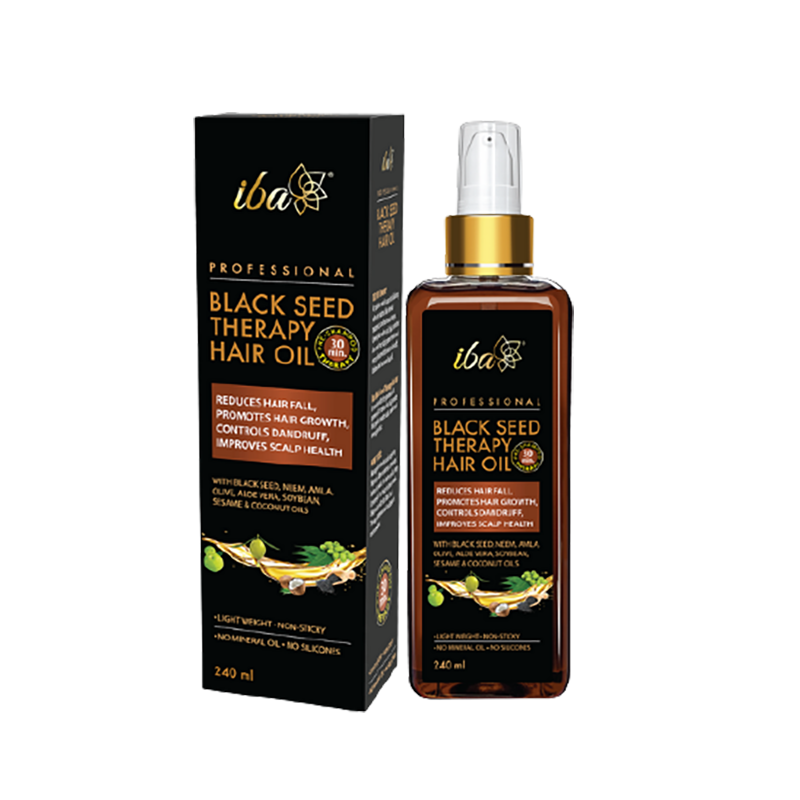
Black seed oil, known as kalonji in traditional medicine, offers remarkable benefits for monsoon hair care. Rich in thymoquinone and essential fatty acids, black seed oil strengthens hair roots and provides natural protection against environmental damage.
The Iba Professional Black Seed Therapy Hair Oil combines the potency of black seed with seven other proven oils, creating a lightweight, non-sticky formula perfect for monsoon use. This therapeutic blend includes neem oil for its antibacterial properties, amla oil with vitamin C for follicle strength, and soybean seed oil for improved moisture retention.
Regular use of this oil blend helps address multiple monsoon hair concerns:
- Reduces hair fall by strengthening roots
- Prevents scalp infections with natural antimicrobial agents
- Improves hair texture and manageability
- Provides essential nutrients for healthy growth
Complete Hair Care Solutions for Monsoon
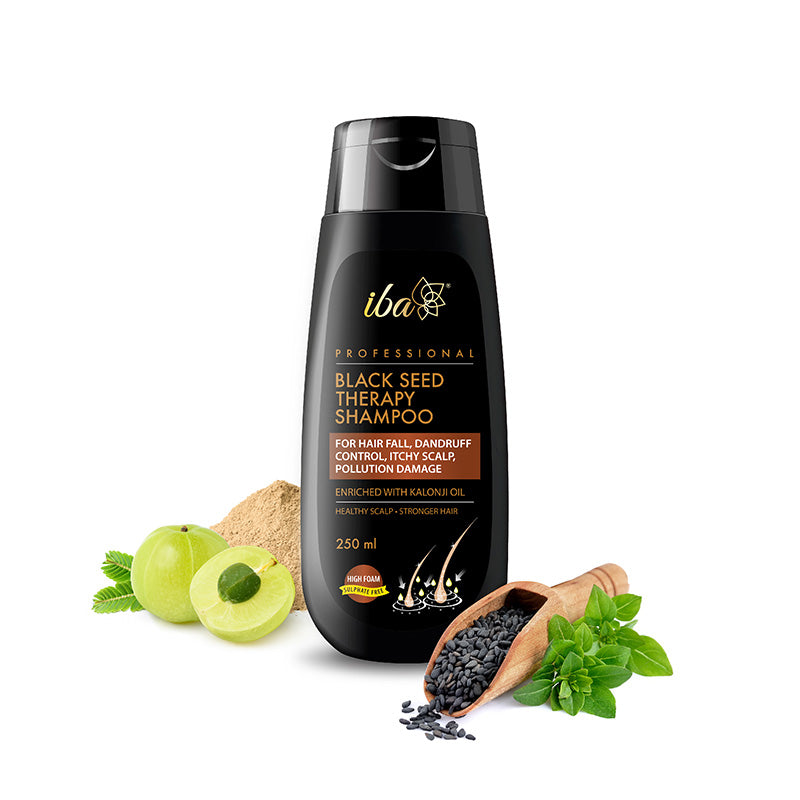
For comprehensive monsoon hair care, combining multiple products often yields the best results. The Iba Black Seed Therapy Shampoo works synergistically with the conditioner and hair oil to create a complete defense system against monsoon-related hair problems.
This sulphate-free shampoo effectively cleanses without stripping natural oils, while zinc pyrithione helps control dandruff and scalp irritation. The high-foaming formula ensures thorough cleansing even with the oil and product buildup common during humid weather.
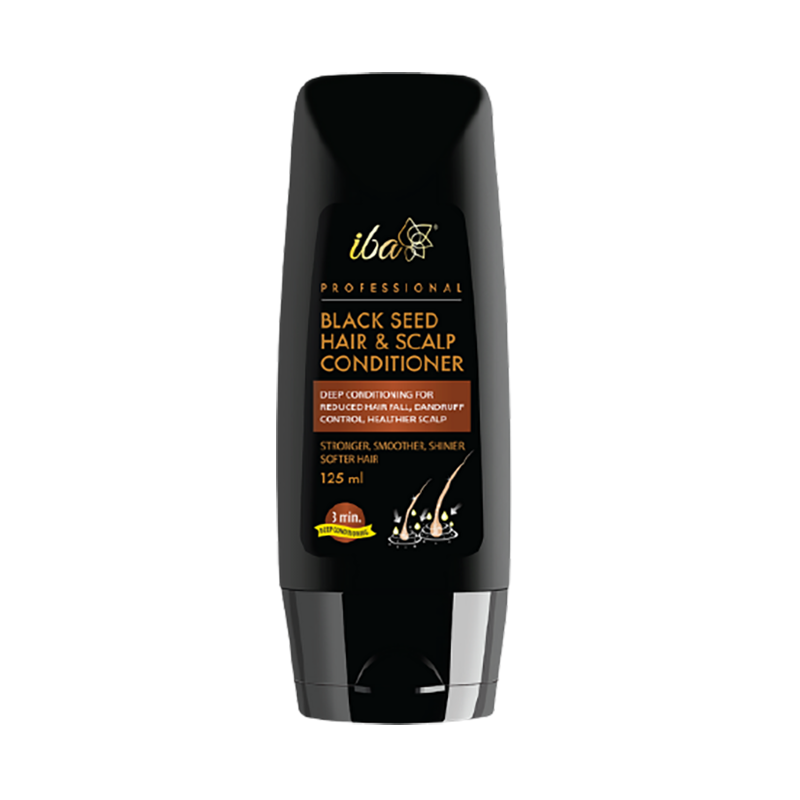
Following up with the Iba Black Seed Hair & Scalp Conditioner helps seal the hair cuticle and lock in moisture, preventing the humidity-related swelling that contributes to breakage. This professional-grade conditioner contains proteins that help repair damaged hair structure and reduce split ends.
Essential Monsoon Hair Care Tips
Implementing practical daily habits can significantly reduce hairfall in the monsoon. These strategies work alongside your chosen products to maximize hair health:
Daily Practices:
- Never sleep with wet hair - Always ensure complete drying before bed
- Use lukewarm water - Hot water strips natural oils and damages hair
- Gentle towel drying - Pat hair dry instead of aggressive rubbing
- Regular scalp massage - Improves circulation and reduces stress
- Protect from rain - Use umbrellas or scarves when outdoors
Weekly Treatments:
- Deep conditioning sessions - Restore moisture and protein balance
- Scalp exfoliation - Remove buildup and improve product absorption
- Hot oil treatments - Nourish roots and improve hair elasticity
- Hair masks - Address specific concerns like dryness or damage
Monthly Assessments:
- Monitor hair fall patterns - Track improvement or worsening
- Adjust product usage - Modify routine based on scalp response
- Professional consultation - Seek expert advice if problems persist
Signs You Need Professional Hair Care for Monsoon Hairfall
When to Seek Help
While natural remedies and proper hair care can address most monsoon-related hair fall, certain signs indicate the need for professional intervention. Is hairfall common in the monsoon? Yes, but excessive loss may require expert attention.
Warning signs that require professional help:
- Hair fall exceeding 100 strands per day consistently
- Visible bald patches or significant thinning
- Scalp inflammation, persistent itching, or pain
- Hair fall accompanied by other symptoms like fatigue
- No improvement after 6-8 weeks of proper care
- Sudden, dramatic increase in hair loss
A trichologist or dermatologist can identify underlying conditions that may be exacerbated by monsoon weather, such as androgenetic alopecia, telogen effluvium, or hormonal imbalances.
Final Thoughts
Understanding why hair falls in the monsoon empowers you to take proactive steps toward healthier hair. The combination of increased humidity, environmental pollutants, and scalp infections creates challenging conditions, but with the right approach, you can maintain strong, beautiful hair throughout the rainy season.
The key lies in combining natural care practices with effective products designed specifically for monsoon challenges. By nourishing your hair from within through proper nutrition, protecting it with gentle daily habits, and using targeted treatments like black seed therapy, you can significantly reduce hair fall and improve overall hair health. Remember, consistency is crucial. The benefits of good hair care practices compound over time, leading to stronger, more resilient hair that can weather any season.
Ready to combat monsoon hair fall naturally? Experience the power of black seed therapy with Iba's complete hair care range. Start your journey to stronger, healthier hair with our sulphate-free, paraben-free formulations designed specifically for monsoon challenges.
Be on the lookout for amazing offers only at Iba Cosmetics.
Key Takeaways
- High humidity during the monsoon causes hair swelling and weakening, leading to increased breakage and fall.
- Scalp infections thrive in moist conditions, disrupting follicle health and hair growth cycles.
- Natural remedies like neem, amla, and fenugreek provide an effective first-line defense against monsoon hair problems.
- Black seed therapy oil strengthens roots while providing antimicrobial protection against seasonal challenges.
- Proper daily habits, like sleeping with dry hair and gentle towel drying, prevent unnecessary hair damage.
- Professional help is needed when hair fall exceeds 100 strands daily or shows no improvement after 6-8 weeks.
Frequently Asked Questions
Q. Why does hair fall increase during the monsoon season?
Hair fall increases during monsoon due to high humidity levels that cause hair swelling and weakening, increased scalp infections from moisture, and environmental pollutants in the rain. The combination of these factors disrupts the natural hair growth cycle and weakens follicles.
Q. How does high humidity contribute to hair fall in rainy weather?
High humidity causes hair to absorb excess moisture, leading to hygroscopic swelling. This repeated expansion and contraction of hair strands weakens the protein bonds, particularly keratin, making hair more prone to breakage and fall.
Q. What scalp infections are common during the monsoon that cause hair fall?
Common monsoon scalp infections include seborrheic dermatitis, folliculitis, tinea capitis, and malassezia overgrowth. These conditions thrive in warm, moist environments and can weaken hair follicles, leading to increased shedding.
Q. Can acid rainwater damage hair and cause hair loss during the monsoon?
Yes, acid rain contains pollutants that can damage hair cuticles and irritate the scalp. The pH imbalance strips natural oils from hair, leaving it dry and brittle, which contributes to increased breakage and hair fall.
Q. What are the best ways to prevent hair fall caused by monsoon weather?
The best prevention methods include maintaining a nutrient-rich diet, using natural remedies like neem and amla treatments, establishing a proper hair care routine with gentle products, keeping hair dry, and using targeted treatments like black seed therapy oil and sulphate-free shampoos.
Q. How often should I wash my hair during the monsoon season?
Wash your hair 2-3 times per week during the monsoon, or when it feels oily or dirty. Daily washing can strip natural oils and worsen hair fall, while infrequent washing allows scalp infections to develop in the humid conditions.