
Ever run your fingers across your cheeks or forehead and felt a rough, uneven texture that just will not go away? Small bumps on the face are one of the most frustrating skin concerns, mostly because so many people misidentify the cause and end up making things worse.
Once you know what type of bumps you are dealing with and what triggers the problem, clearing up your skin becomes far more achievable. Whether you are looking for small bumps on face treatment India options or want to know how to remove bumps on face naturally, here is everything you need.
What Are Small Bumps on the Face?
Before jumping into solutions, understanding the different types of facial bumps helps you pick the right approach.
|
Type |
What Does the Bump Look Like? |
Common Location |
|
Closed Comedones |
Skin-colored or white, slightly raised, not inflamed |
Forehead, chin, cheeks |
|
Milia |
Tiny, hard, white keratin-filled cysts |
Around the eyes, upper cheeks |
|
Fungal Acne |
Uniform-sized, often itchy bumps |
Forehead, hairline, chest |
|
Keratosis Pilaris |
Rough, sandpaper-like bumps |
Cheeks, upper arms |
|
Heat Rash |
Red or skin-colored bumps that worsen with sweat |
Forehead, neck, chest |
Closed comedones are among the most common culprits behind that bumpy texture. A closed comedones face treatment approach differs significantly from how you would handle inflamed acne, which is why a correct identification matters.
What Causes These Small Bumps on the Face?
Multiple factors contribute to those stubborn bumps. Here are the most common ones:
- Clogged pores from product buildup: Heavy makeup, pore-clogging moisturizers, and skipping proper makeup removal can trap oil and dead skin cells beneath the surface.
- Over-exfoliation or harsh cleansing: Scrubbing too hard or using multiple exfoliating acids together weakens the skin barrier, which ironically leads to more bumps.
- Humidity and pollution: Hot, humid weather increases oil production and traps sweat in pores. Pollution particles settle on skin and add to congestion.
- Compromised skin barrier: When the barrier is damaged, dead skin cells do not shed properly, oil gets trapped more easily, and texture worsens.
- Hormonal fluctuations: Changes during periods, pregnancy, or stress can increase oil production, leading to closed comedone formation.
How to Remove Bumps on Face Naturally: Ingredients and Treatments
Clearing small bumps requires a two-pronged approach, targeted active ingredients that address the root cause, and a simple daily routine that supports skin barrier health.
Salicylic Acid (BHA)
Salicylic acid is oil-soluble, meaning the ingredient penetrates deep into pores to dissolve trapped oil and dead skin cells. For closed comedones face treatment, a leave-on serum or toner with 1-2% salicylic acid used 2-3 times a week is one of the most effective starting points. Avoid overuse, as excessive application can dry out and irritate skin.
AHAs: Glycolic and Lactic Acid
Alpha hydroxy acids work on the skin's surface to smooth texture and encourage even cell turnover. Glycolic acid suits normal to oily skin, while lactic acid is gentler and better for sensitive or dry skin types. Use an AHA scrub 1-2 times weekly, and always follow up with sunscreen the next morning.
Retinoids
Retinoids (vitamin A derivatives) speed up cell renewal and prevent dead skin from clogging pores. Available in over-the-counter and prescription strengths, retinoids are especially effective for persistent closed comedones. Start with a low concentration 2 nights a week and build up gradually, as dryness, redness, and peeling are common in the early weeks.
Niacinamide
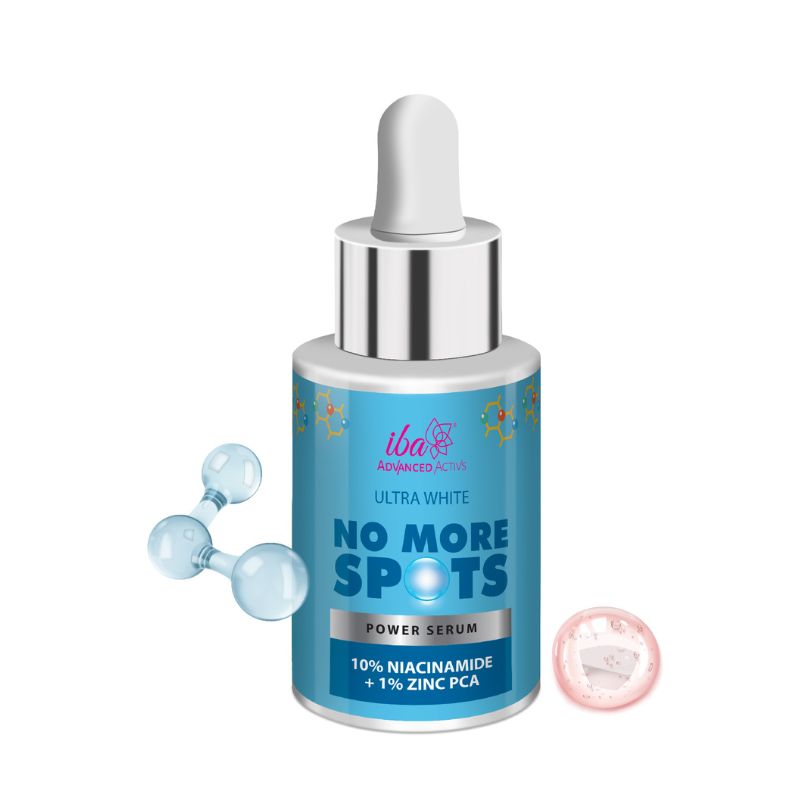
Niacinamide helps regulate oil production, strengthen the skin barrier, and refine overall texture. A 5-10% niacinamide serum pairs well with exfoliating acids without causing irritation, making the ingredient a solid addition to any bump-clearing routine.
Azelaic Acid
Azelaic acid reduces uneven texture, calms redness, and gently unclogs pores. The ingredient works well for those who cannot tolerate stronger acids and is safe for most skin types, including sensitive skin.
A Simple Daily Routine to Support Treatment
All of the above works best within a consistent, minimal routine:
- Morning: Gentle face wash → lightweight moisturizer → broad-spectrum sunscreen
- Evening: Gentle face wash or makeup remover → active treatment (BHA, AHA, or retinoid, not all at once) → moisturizer
Keep the routine simple. Layering multiple actives in one session damages the barrier and creates more bumps. Rotate actives on different nights, and always prioritize hydration, even oily or bump-prone skin needs a non-comedogenic moisturizer to stay balanced.
How Long Does Clearing Small Bumps Take?
Skin renews roughly every 28-40 days, so patience is essential.
- Weeks 1-2: Skin may purge slightly as congestion surfaces
- Weeks 3-4: Initial smoothness and reduced roughness
- Weeks 6-8: Noticeable reduction in closed comedones and overall bump count
- Weeks 8-12: Significant improvement in skin texture and clarity
Consistency matters far more than intensity. A gentle, barrier-friendly routine followed daily delivers better results than an aggressive one used inconsistently.
Common Mistakes That Make Facial Bumps Worse
Knowing what not to do is just as important as following the right steps.
- Using harsh physical scrubs on bumpy areas, causing micro-tears and worsening texture
- Treating all bumps like inflamed acne with spot treatments or drying lotions
- Layering multiple strong acids in the same routine, damaging the barrier
- Skipping sunscreen while using exfoliating ingredients
- Picking or squeezing bumps, which can cause scarring or infection
- Expecting overnight results, when skin renewal takes 4-12 weeks
When Should You See a Dermatologist?
A dermatologist visit makes sense if bumps are painful, spreading, or itchy, if the texture does not improve after 8-10 weeks, or if bumps suddenly appear alongside redness. Professional treatments like chemical peels or retinoid prescriptions can address stubborn cases.
Smoother Skin Starts with the Right Approach
Small bumps on the face are extremely common and rarely a sign of "bad" skin. In most cases, the texture just needs balance, gentle exfoliation, proper hydration, and barrier support. Choosing skincare formulated without harsh chemicals, parabens, or sulfates helps protect the barrier while actively working on texture. Start simple, stay consistent, and give your skin time.
Want to stock up on gentle, skin-friendly products at great prices? Visit the Iba Cosmetics Coupon Codes Page for current offers.
Frequently Asked Questions
Q. Can ice remove small bumps on the face?
Ice may temporarily reduce redness or swelling, but cannot unclog pores. Lasting results require gentle exfoliation and a consistent skincare routine.
Q. Does moisturizer help with small bumps?
Yes, if the bumps are linked to dehydration or barrier damage. A lightweight, non-comedogenic moisturizer supports skin repair and controls excess oil.
Q. Can stress cause tiny bumps on the face?
Stress can increase oil production and slow skin repair, making congestion and uneven texture more likely. Managing stress alongside skincare helps.
Q. Are small face bumps the same as acne?
Not always. Milia, keratosis pilaris, and heat rash also cause small bumps. Identifying the type correctly determines which treatment approach works best.
Q. How often should you exfoliate bumpy skin?
Start with once a week and gradually increase to 2-3 times weekly. Over-exfoliation damages the barrier and creates more bumps over time.
Q. What ingredients should you avoid if you have bumpy skin?
Avoid pore-clogging ingredients like coconut oil, heavy silicones, and alcohol-based toners. Go for non-comedogenic, sulfate-free, and gentle formulations instead.