
Key Takeaways
- Undertone beats depth. Matching warm, cool, or neutral matters more than just getting the right darkness level.
- Test on your neck. Your neck tone is truer than your face for finding the real match.
- Check outside before buying. Store lighting deceives; natural light shows your actual foundation shade match.
- Vein test finds your undertone. Blue veins = cool, green veins = warm, mixed = neutral.
- Wait 15 minutes for oxidation. Foundation shades shift slightly on skin, so patience confirms your true match.
- Three-step system works. Identify undertone, test properly, and recalibrate seasonally for perfect results.
Getting the foundation right feels impossible sometimes. You head to the store, test a shade on your jaw, it looks perfect in the store lighting, and then you get home to realize it's either too orange, too ashy, or just completely off. This happens to so many people, especially when shopping for foundation shades for Indian skin. The struggle is real because Indian skin tones are beautifully diverse, ranging from fair to deep, with warm, cool, and neutral undertones all mixed into the picture.
Here's the thing: finding your ideal foundation shade isn't about luck or trial and error. It's about understanding how your skin actually looks, not just the surface color. Many people focus only on depth, light, medium, or dark, but miss the crucial part: undertone. Your undertone is what makes the difference between a shade that looks natural and one that sits on your face like a mask.
This guide breaks down everything you need to know about getting a foundation shade finder approach right, so the next foundation you buy actually works for your skin. We'll walk through how to identify your foundation shade, what undertone means, and practical methods to test before you buy.
Understanding Your Undertone and Skin Tone
What Is Undertone and Why Does it Matter
Let's start with something fundamental: undertone. This is the subtle color that sits beneath your skin's surface. Think of it like the base color under a coat of paint. Your undertone stays constant regardless of how tan or pale your skin gets with seasons or sun exposure.
There are three main undertone categories:
- Warm undertones: Appear more golden, peachy, or yellow-toned. If this is your undertone, neutral or golden shades work best.
- Cool undertones: Have pink, red, or blue undertones. These pair well with shades that have pink or rosy notes.
- Neutral undertones: A mix of warm and cool. These skin tones are flexible; almost any shade family can work depending on the specific shade.
Understanding your undertone is non-negotiable when searching for the right foundation finder or trying to pick between similar shades. A foundation might look perfect in color depth, but completely wrong if the undertone doesn't match. That's why two people with nearly identical skin depth can wear completely different foundation shades.
Common Indian Skin Tone Categories
Indian skin diversity is incredible, but there are some general categories that help with foundation shade selection:
|
Skin Tone Category |
Characteristics |
Best Undertone Match |
|
Fair/Light |
Very pale with minimal sun exposure |
Warm, Cool, or Neutral |
|
Wheatish |
Warm, golden, with olive undertones |
Warm or Warm-Neutral |
|
Medium/Dusky |
Deeper complexion, ranges from golden to neutral |
Warm, Cool, or Neutral |
|
Deep/Dark |
Rich, deep brown tones |
Warm, Cool, or Neutral |
The key insight here: don't assume undertone based on skin depth. Someone with fair skin might have warm undertones, while someone with deep skin might be cool-toned. They're independent qualities, and the best foundation for Indian skin accounts for both.

Three Practical Methods to Find Your Foundation Shade
Method 1: The Vein Test
Look at the veins on your inner wrist in natural daylight. This simple test hints at your undertone.
- Blue or purple veins = cool undertones
- Green or greenish-blue veins = warm undertones
- Mix of both = neutral undertones
This isn't foolproof, but it's a helpful starting point for your foundation finder method before shopping.
Method 2: The Gold vs. Silver Test
Grab a small piece of gold-toned metal (foil, earring) and silver-toned metal. Hold them near your cheek in natural light.
- Gold looks better = warm or warm-neutral undertones
- Silver looks more flattering = cool undertones
- Both look equally nice = neutral undertones
This visual comparison helps tremendously when picking between shades at the makeup counter.
Method 3: Testing Before You Buy
Before spending money, test properly:
- Get samples from the store. Most beauty counters offer small packets. Ask for 2-3 shades around where you think your match is.
- Test on the jawline and neck, where any mismatch shows clearly. Your neck tone typically matches your body more than your face.
- Check different lighting. Natural daylight first, then indoor artificial light. Foundations shift under different light conditions.
- Wait 15 minutes. Let the foundation oxidize and settle on your skin. Some formulas darken slightly. Your ideal foundation shade should remain consistent, never drastically different.
- Wear the sample for an hour or two if possible. Real-world testing beats store-only tries every time.
Common Mistakes to Avoid
Mistake 1: Matching Only to Your Face
Your face might be more tan than your neck or chest. Match to your jawline and neck for natural results.
Mistake 2: Shopping In-Store Lighting Only
Department store lighting makes everything look good. That's not reality. Check your shade outside before buying.
Mistake 3: Relying on a Friend's Recommendation
Even with similar-looking skin, undertone differences matter massively. Always test personally before buying.
Mistake 4: Ignoring Undertone
Depth is only half the story. Getting undertone right prevents that cakey, mask-like feeling.
Mistake 5: Assuming Your Shade Never Changes
Seasonal changes and different sun exposure affect shade matches. Recalibrate when needed.
Natural Tips and Product Support for Finding the Right Foundation Shade
Before buying a foundation, try these simple at-home methods to improve your base.
Natural preparation:
- Moisturize well before applying foundation. Hydrated skin holds color better and looks smoother.
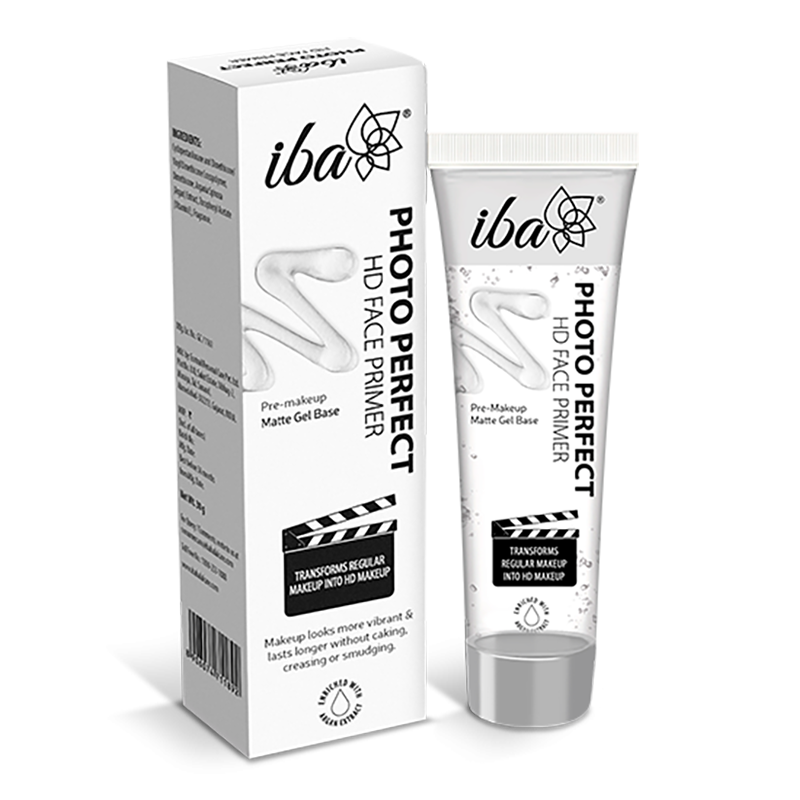
- Use a primer if your skin tends to be oily. This creates an even surface for the foundation.
- Set with translucent powder if needed to lock your shade in place

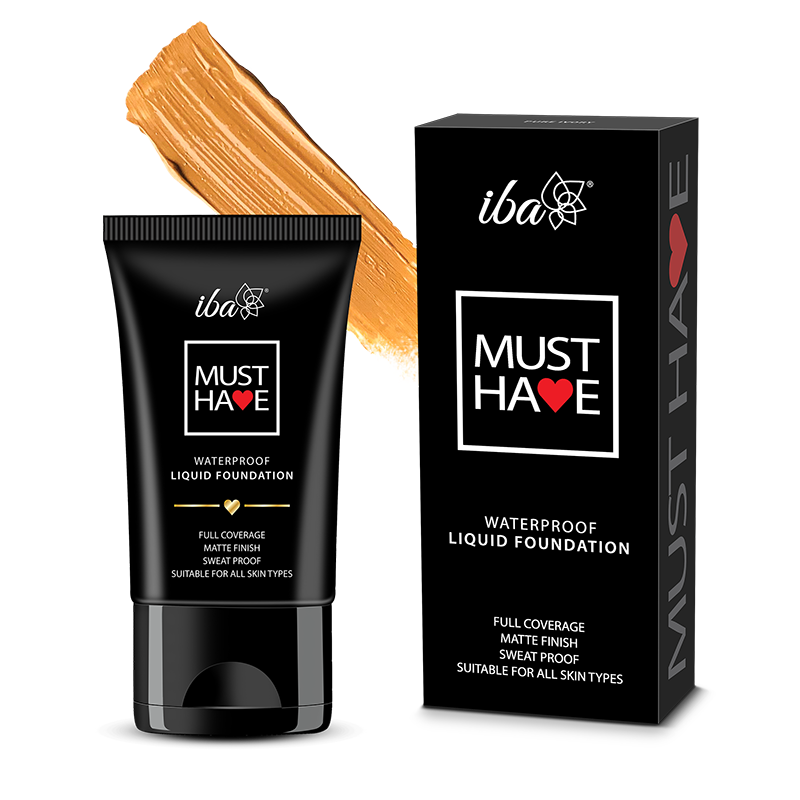
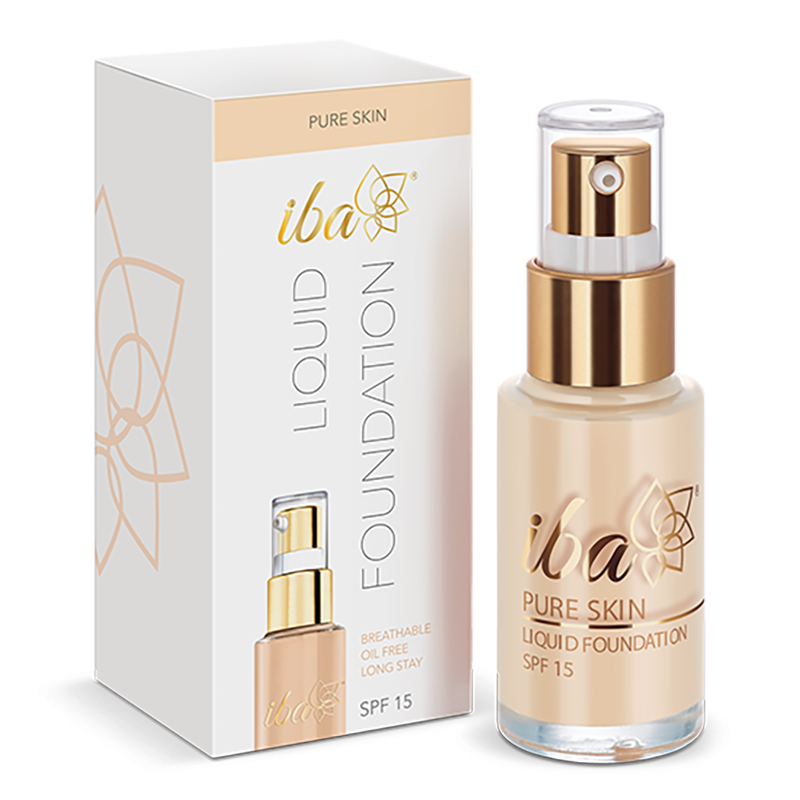
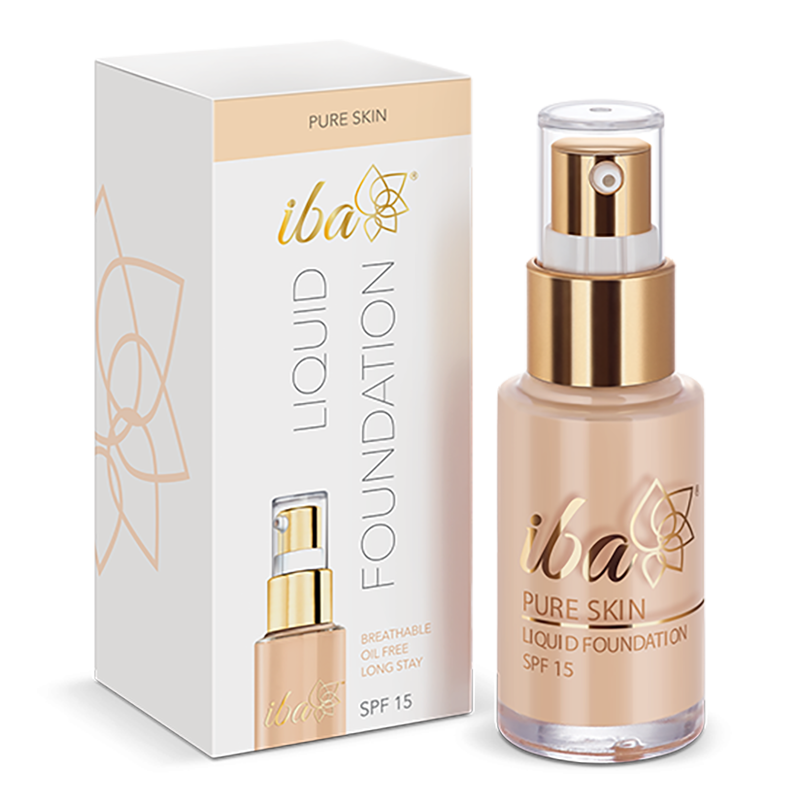
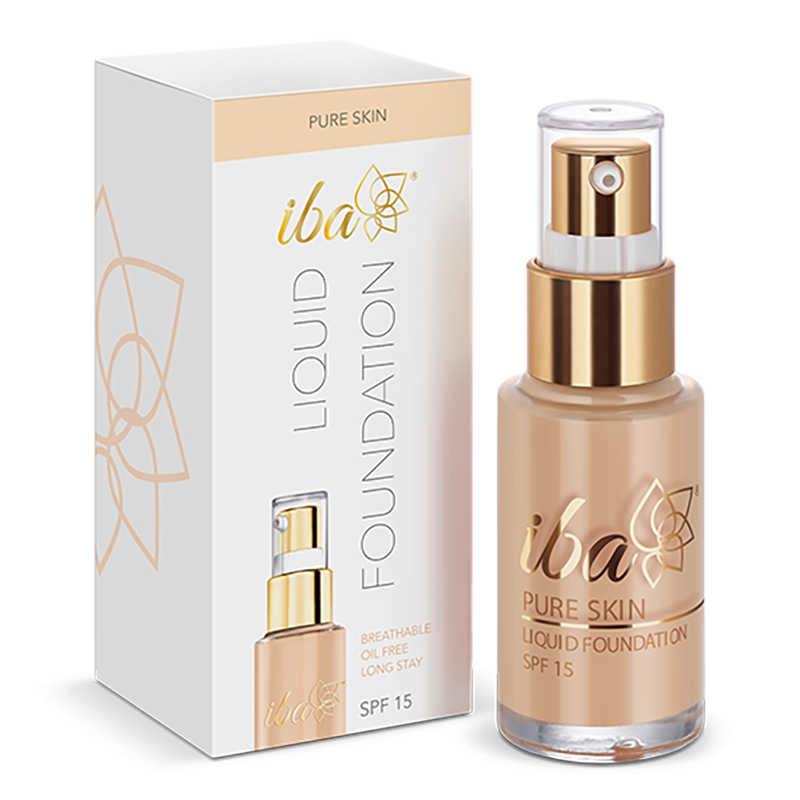
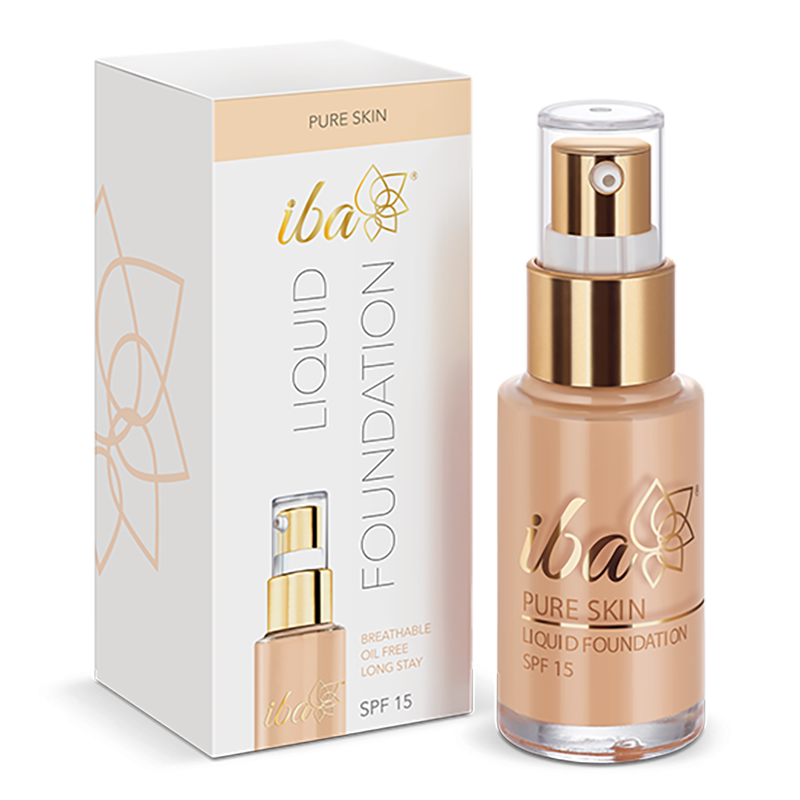
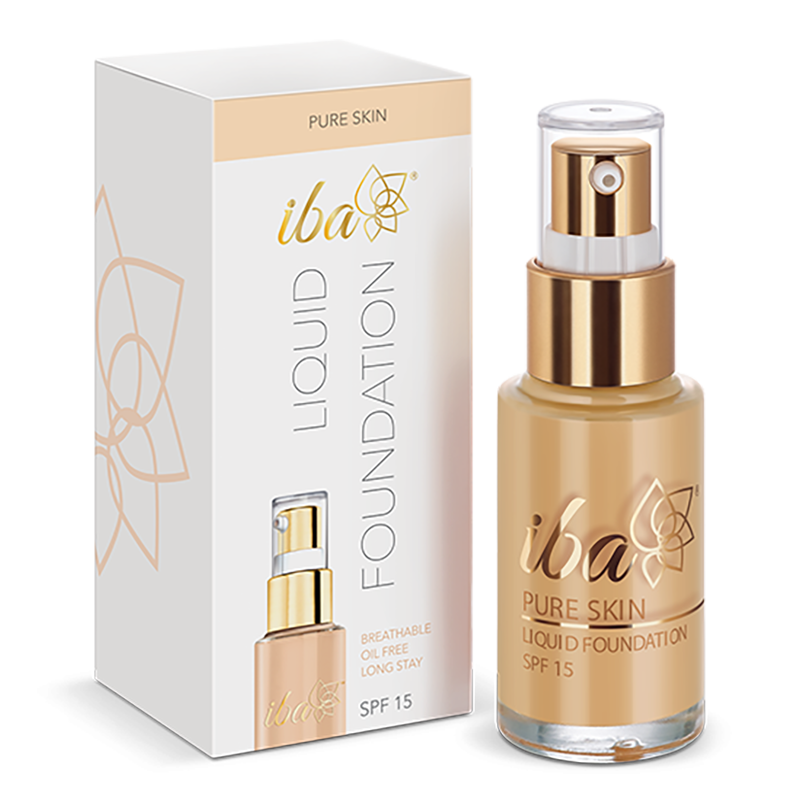
For a more refined match, Iba liquid foundation is designed specifically for foundation shades for Indian skin. Formulated with natural, plant-based ingredients and alcohol-free, Iba foundations are thoughtfully calibrated for the undertones common in Indian complexions. You get coverage without that heavy, mask-like feeling while maintaining natural skin texture and glow.
When ready to purchase, check available deals with the Iba Cosmetics Coupon Codes to get quality foundation at better prices.
From Affordable to Luxury: Find the Right Foundation for Your Budget
Foundation Under 400 | Foundation 500 | Foundation 600 | Foundation 1000
Final Thoughts
Choosing the right foundation shade is genuinely easier once you understand what you're actually looking for. Stop guessing. Stop buying shades that look good in fluorescent store lighting but look completely wrong at home.
Your perfect foundation shade finder approach combines three things: knowing your undertone, testing properly before buying, and understanding your specific best foundation for Indian skin category. Apply these methods, be patient with the process, and your next foundation purchase will actually be one you love wearing.
The goal isn't just coverage. It's making your skin look like the best version of itself. That happens when depth and undertone both match. You've got this. Take time to test, trust what you see in natural light, and remember that the shade you're searching for is out there. It just takes knowing how to find it.
Frequently Asked Questions
Q. How do I choose the right foundation shade for Indian skin tones?
Start by identifying your undertone using the vein test or gold/silver test. Then, determine your skin depth (fair, medium, deep). Get samples from the store and test on your jawline and neck in natural daylight. Wait 15 minutes for oxidation, then check under different lighting before buying.
Q. What is the undertone of Indian skin, and how does it affect foundation choice?
Undertone is the subtle color beneath your skin's surface: warm (golden), cool (pink/red), or neutral (mixed). Your undertone dramatically affects which foundation shades for Indian skin work for you. A warm-toned person needs warm-based foundation, while cool-toned skin needs cooler shades, regardless of depth. Matching undertone prevents your foundation from looking ashy or orange.
Q. Should I match my foundation to my face or neck for Indian skin?
Always match to your neck and jawline. Your face might be slightly more tanned or flushed than your neck. For the most natural, seamless blend, your foundation should match your neck tone. This prevents a noticeable line where your makeup ends.
Q. How do I test foundation shade at home for Indian skin tones?
Ask for samples from beauty counters. Apply a stripe on your jawline and neck. Check in natural daylight first, then in artificial light. Wait 15 minutes for the shade to oxidize. Wear the sample for an hour or two if possible. The shade that remains consistent across different lighting and doesn't look obviously different from your skin tone is your match.
Q. Can my foundation shade change throughout the year?
Yes. Sun exposure, seasonal tanning, and stress affect your skin. A foundation shade perfect in winter may be too light in summer. Recalibrate every 3-4 months and consider keeping two shades, one for each season.
Also Read
How to Apply Liquid Foundation Like a Pro
Foundation Application Mastery: How to Apply Foundation Like a Pro
Foundation vs. BB Cream: Which one is the Better Option for You?
Tips to Choose the Best Foundation Cream for Oily Skin
Liquid Foundation vs. Powder Foundation: Which is Better for Your Skin?
Last-Minute Black Friday Skincare Beauty Deals For Vegan Skin & Hair Care