
Sunscreen is one of those steps most people know they should take every day but still end up skipping. The texture feels too heavy in the humidity, the white cast shows up in photos, or a new formula breaks out the skin, and the bottle gets abandoned after a week. The pattern is familiar, and it almost always comes down to picking the wrong formula for Indian skin conditions rather than sunscreen not working.
Indian skin responds to UV exposure differently from lighter skin types. Rather than redness or sunburn, the damage tends to show up as hyperpigmentation, melasma, and uneven tone that takes months to fade. The country also sits in a high UV-index zone for eight to ten months a year, which means the skin is under sustained UV pressure in a way that most western formulations are not designed for.
Getting this right does not have to be complicated. What follows covers what dermatologists actually evaluate in a sunscreen formula, natural daily habits that reinforce protection, and the Iba picks that hold up against clinical criteria, so sun protection becomes a step that actually sticks.
Dermatologists in India recommend broad-spectrum sunscreens with SPF 50 and PA++++ that are non-comedogenic and free from parabens and alcohol. Gel and serum textures work best in humid conditions. Apply half a teaspoon for the face and neck, 15 to 20 minutes before sun exposure, and reapply every two hours outdoors.
Why Indian skin needs a different approach to sun protection
Indian skin tones fall across Fitzpatrick types III to V, which means higher baseline melanin levels. While this offers some resistance to sunburn, it makes the skin more reactive to UV radiation in a different way: melanin overproduction triggered by UV exposure leads to dark spots, uneven patches, and melasma rather than burning.
India also experiences a critically high UV index for most of the year. Roughly 95 to 98% of UV radiation at sea level is UVA. UVB rays cause sunburn and affect the outer skin layer; UVA rays penetrate deeper into the dermis, break down collagen, and drive the melanin response. Both require active protection, which is why SPF alone is not enough.
7 things dermatologists check before recommending a sunscreen
1. Broad-spectrum coverage (UVA + UVB)
A sunscreen must protect against both UVA and UVB rays. UVB coverage is captured by the SPF number. UVA coverage requires a PA rating or a broad-spectrum certification. A formula without both leaves the skin exposed to whichever wavelength it does not address.
2. SPF 50 as the minimum for Indian skin
SPF 30 blocks around 97% of UVB rays. SPF 50 blocks approximately 98%. That 1% gap may look small, but it means SPF 30 lets in roughly 50% more UVB radiation than SPF 50. In a high UV-index environment, and given that most people apply less than the clinical test amount, dermatologists in India recommend SPF 50 as the practical daily minimum. Read more in our SPF 30 vs SPF 50 breakdown.
3. PA++++ for UVA defence
The PA rating measures protection against UVA rays. PA++++ indicates a UVA protection factor greater than 16, the highest available grade. For Indian skin prone to pigmentation and melasma, this rating is as important as the SPF number. A sunscreen without a strong PA rating only addresses part of the UV problem. See our PA rating guide for a full breakdown.
4. Non-comedogenic formula
In humid conditions, heavy cream textures trap sweat and sebum, leading to blocked pores and breakouts. A non-comedogenic formula is a basic requirement for everyday facial use across most parts of India where heat and humidity persist for much of the year.
5. Free from parabens, alcohol, and harsh fragrances
Parabens have been linked in some research to hormonal disruption. Alcohol strips the skin barrier with repeated daily use. Synthetic fragrances are a common irritant for sensitive and acne-prone skin. Dermatologists generally prefer sunscreens free from all three for daily-wear use.
6. Texture suited to real-world conditions
A sunscreen that feels greasy or heavy will not be used consistently, and consistency is what produces protection. Dermatologists factor in texture when making recommendations because a formula that gets skipped does nothing. Gel and serum textures suit humid Indian weather; cream or lotion textures work better for drier skin and cooler climates.
7. Antioxidant support for added UV defence
No sunscreen blocks 100% of UV radiation. The 2 to 5% of rays that bypass the protective film generate reactive oxygen species (ROS) in the skin, which degrade collagen and trigger inflammation over time. Dermatologists increasingly look for sunscreens that include antioxidants like Vitamin C or Vitamin E to neutralise that residual damage. For Indian skin dealing with pollution alongside UV exposure, this added layer of defence makes a meaningful difference to long-term skin health.
Natural ways to support sun protection every day
Before looking at formulas, there are simple daily habits that genuinely reduce the UV load on the skin. None of these replace sunscreen; they work alongside it and build up over time.
-
Wear protective clothing. A full-sleeved cotton kurta or a dupatta draped over the shoulders provides physical UV protection that no product fully replicates. Tightly woven, darker fabrics block more UV than sheer or loosely woven ones.
-
Avoid peak UV hours. UV radiation is at its highest between 10 am and 4 pm across India. Planning outdoor activity before 9 am or after 5 pm reduces overall UV exposure considerably without changing anything else in the routine.
-
Eat antioxidant-rich foods. Diet does not replace sunscreen, but foods high in antioxidants support the skin's natural defence against UV-induced damage. Tomatoes, amla, papaya, green tea, and turmeric are all good sources. Curcumin from turmeric and lycopene from tomatoes have both been studied for their role in reducing UV-triggered inflammation.
-
Apply aloe vera after sun exposure. Fresh aloe vera gel does not block UV radiation, but it helps calm inflammation and supports skin recovery after sun exposure. A good daily habit for managing the cumulative effects of sun exposure on Indian skin.
-
Stay hydrated through the day. UV exposure depletes moisture from the skin. Drinking enough water and using a hydrating toner or serum alongside sunscreen helps support the skin barrier, especially during summer months.
- Each of these habits reduces the total UV burden on the skin. Pairing them with a well-formulated sunscreen gives the skin a much better chance of staying even-toned and healthy over time.
How to Choose the Right Sunscreen for Indian Skin
Indian skin tones range widely, with the climate varying from hot and humid to dry and cold. A one-size-fits-all approach rarely works. Here is a quick guide:
|
Skin Type |
What to Look For |
Texture Preference |
|
Oily |
Non-greasy, matte-finish, oil-free |
Gel or water-based |
|
Dry |
Hydrating ingredients like hyaluronic acid |
Cream or lotion |
|
Sensitive |
Mineral-based, fragrance-free, gentle |
Lotion or serum |
|
Combination |
Lightweight, quick-absorbing |
Gel-cream or serum |
|
Acne-prone |
Non-comedogenic, oil-free |
Gel or serum |
For anyone dealing with tanning or pigmentation, a sunscreen with added actives like Vitamin C or traditional ingredients like turmeric and saffron can offer skin-brightening benefits alongside protection.
Best Sunscreen Picks for 2026 from Iba Cosmetics
Iba Cosmetics offers a range of sunscreens that are halal-certified, vegan, cruelty-free, and paraben-free. Here is a closer look at the best options and what each one brings to the table.
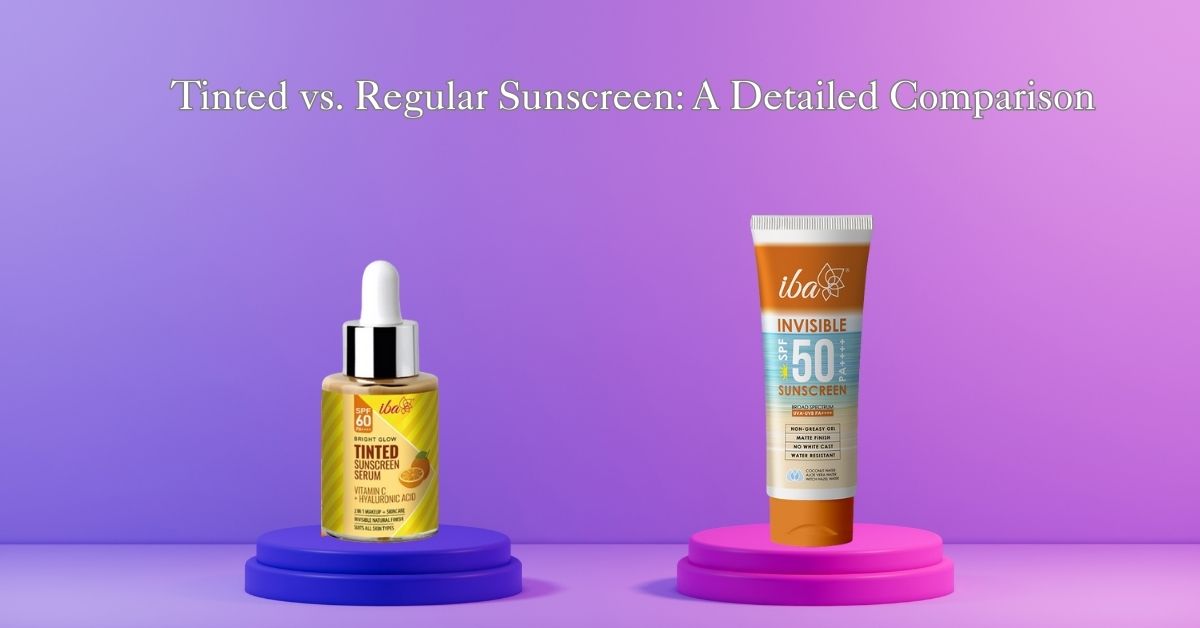
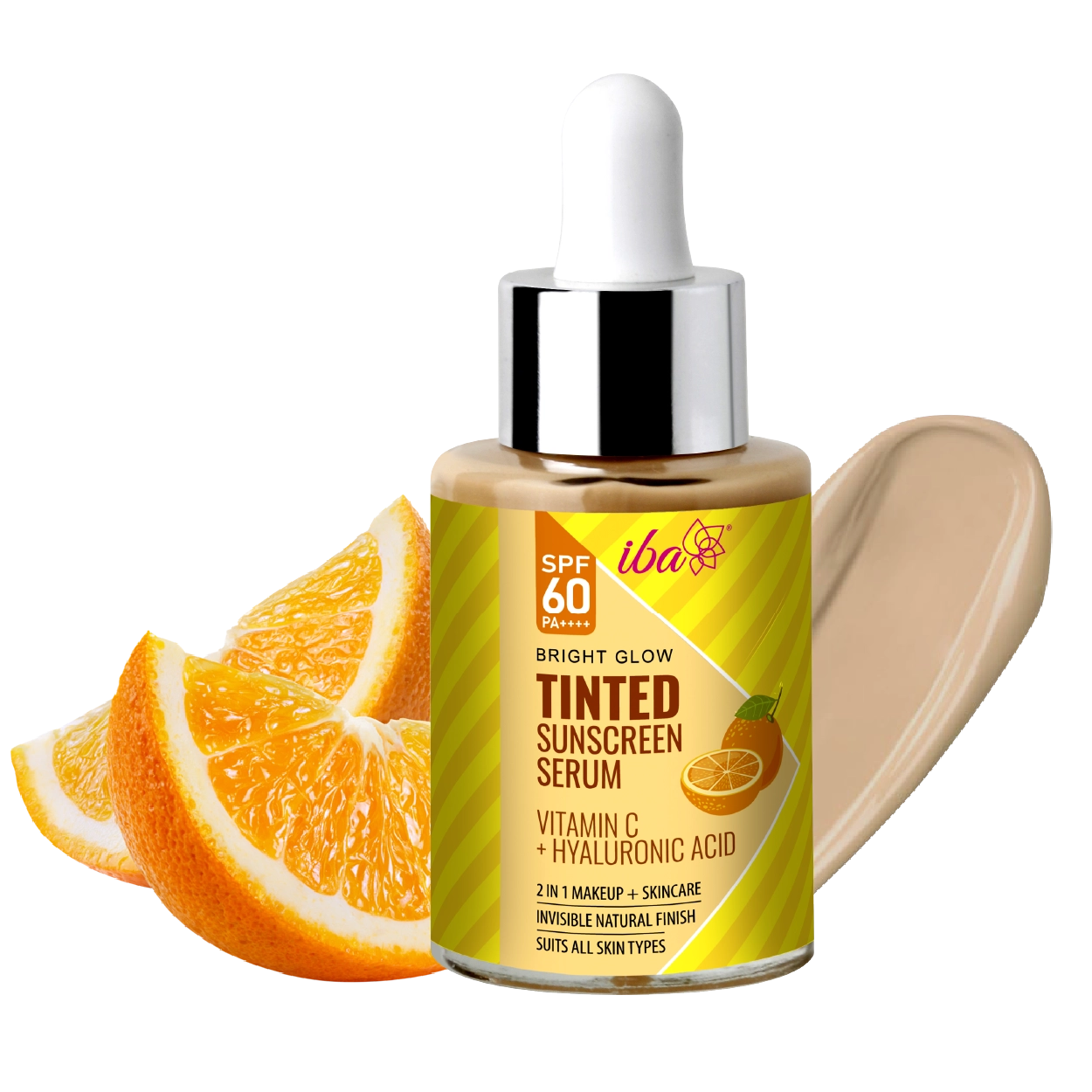
1. Iba Bright Glow Tinted Sunscreen Serum SPF 60 PA++++
A 2-in-1 product that combines sun protection with a light skin tint. The serum-like texture absorbs quickly without leaving a white cast. SPF 60 and PA++++ offer strong, broad-spectrum coverage, and Vitamin C in the formula helps with brightening. Works well for daily wear and under-the-scarf use.
Best suited for: All skin types, especially those looking for light coverage with high SPF.

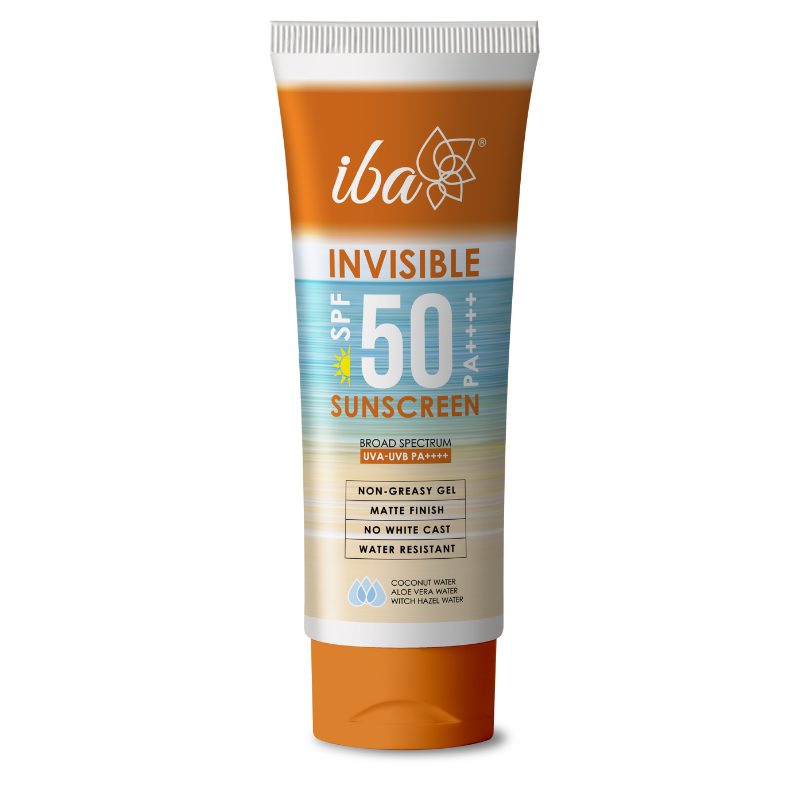
2. Iba Invisible Sunscreen SPF 50 PA++++
A gel-based sunscreen formula with a matte finish and zero white cast. The water-resistant texture makes it a good fit for outdoor use and humid weather. The larger size is practical for regular daily application on the face, neck, and exposed areas.
Best suited for: Oily skin, combination skin, and anyone who prefers a matte, invisible finish.

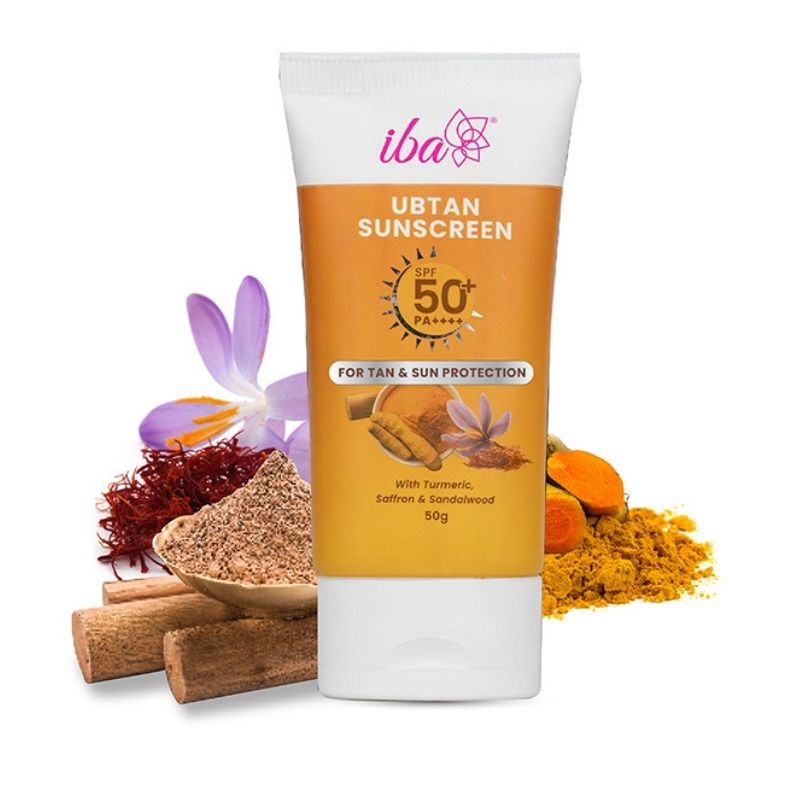
3. Iba Ubtan Sunscreen SPF 50 PA++++
Infused with traditional ubtan ingredients like turmeric, saffron, and sandalwood, this sunscreen combines SPF 50 protection with tan-prevention properties. The formula fights dullness while shielding against UVA and UVB rays.
Best suited for: All skin types, especially those dealing with tanning and uneven tone.

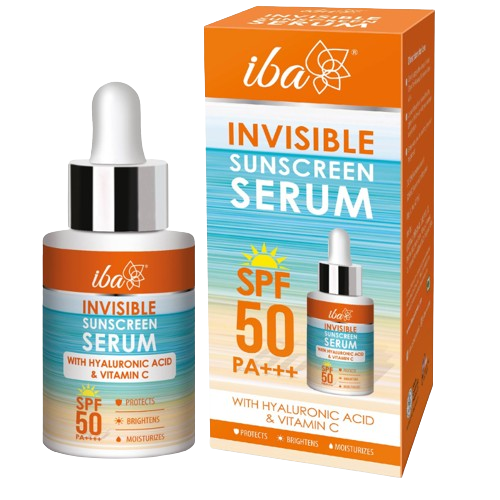
4. Iba Invisible Sunscreen Serum SPF 50 PA++++
A lightweight serum-textured sunscreen that doubles up as a brightening serum. Infused with Vitamin C, it offers an invisible finish without any white cast. The serum consistency makes it easy to layer under makeup or other skincare products.
Best suited for: Sensitive skin, dry skin, and anyone who prefers a serum-first routine.

How to apply sunscreen correctly
Applying the right sunscreen in the wrong way cuts its protection considerably. Follow these steps:
- Use enough product. Apply half a teaspoon for the face and neck combined. Most people use about a third of that amount, which lowers the delivered SPF below what the label states.
- Apply 15 to 20 minutes before going out. Chemical-filter sunscreens need time to absorb and activate. Sunscreen goes on as the last step of the morning skincare routine, before stepping outside.
- Cover all exposed areas. Ears, the back of the neck, and the hairline are commonly skipped. Include them in every application.
- Reapply every two hours outdoors. UV filters break down with sun exposure and physical contact. Reapplication is what maintains protection through the day, not a higher SPF number.
- Reapply immediately after swimming or heavy sweating. Even water-resistant formulas need refreshing after water contact to maintain their rated coverage.
- Do not mix sunscreen with moisturiser before applying. Mixing dilutes the formula and disrupts the protective film. Sunscreen works best applied on its own, over moisturiser, not blended into it.
For a step-by-step walkthrough, see how to apply sunscreen on the face and the guide on how much sunscreen to apply.
Why clean formulation matters for daily use
A sunscreen used every single day needs a clean base. Parabens, alcohol, sulfates, and synthetic fragrances can cause cumulative irritation over weeks of regular use, even on skin that does not react visibly at first. For acne-prone or sensitive skin, the carrier ingredients matter as much as the UV filters.
Iba's halal certification means every ingredient has been assessed for purity and ethical sourcing. The vegan certification rules out animal-derived components. For those who wear a hijab, a lightweight, non-comedogenic formula is not just a preference. Heavy or pore-blocking textures cause real problems under the scarf in warm weather, and lighter gel or serum formulas handle that context much better.
Sun protection works best when it is part of a consistent daily habit rather than an occasional step. Picking a formula that suits the skin, feels comfortable, and fits into an existing routine makes that consistency far easier to maintain.
The complete sunscreen guide covers formulation types and usage in more depth.
Frequently asked questions
Q: Which sunscreen do dermatologists recommend in India?
Dermatologists in India recommend broad-spectrum sunscreens with SPF 50 and PA++++ in non-comedogenic formulas free from parabens, alcohol, and synthetic fragrances. Gel or serum textures perform better in humid conditions; cream or lotion formulas suit dry skin. The most important factor is finding a sunscreen that suits the skin type well enough to be applied daily without skipping.
Q: What does PA++++ mean on a sunscreen label?
The PA rating measures UVA protection. PA++++ indicates a UVA protection factor greater than 16, the highest available grade. For Indian skin prone to pigmentation and melasma, this rating matters as much as SPF. SPF alone only measures UVB protection, which accounts for just 2 to 5% of the UV radiation reaching skin at sea level in India.
Q: Is SPF 50 enough for Indian summers?
SPF 50 with PA++++ is the standard recommended for Indian weather. The bigger factor is reapplication. A properly reapplied SPF 50 delivers more consistent protection than a higher SPF applied once and not topped up. Dermatologists recommend reapplying every two hours outdoors regardless of the original SPF.
Q: Can sunscreen be used on acne-prone skin?
Yes. Gel or serum textures that are non-comedogenic, paraben-free, and fragrance-free work well on acne-prone skin without clogging pores. The Iba Invisible Sunscreen SPF 50 and Invisible Sunscreen Serum are both formulated to avoid pore-blocking.
Q: Can a tinted sunscreen replace foundation?
For light, everyday coverage, yes. The Iba Bright Glow Tinted Sunscreen Serum SPF 60 gives a natural finish that works as a standalone base for daily wear. For fuller coverage, it layers well under compact powder. The tinted vs regular sunscreen comparison covers the differences in more detail.
Q: Is sunscreen needed on cloudy days?
Yes. Around 80% of UV rays pass through cloud cover. The UV index in India stays elevated for most of the year regardless of visible sunshine, which is why daily application matters more than adjusting the habit based on weather.
Q: What is the correct order for sunscreen in a skincare routine?
Sunscreen goes on last in the morning routine, after moisturiser and before makeup. Chemical-filter sunscreens need 15 to 20 minutes before sun exposure to activate fully. The guides on when to apply sunscreen and moisturiser or sunscreen: what to apply first cover the full routine order.