
You just finished your nighttime skincare routine. Face washed. Toner applied. Serum on. Now you're staring at your sunscreen bottle, wondering if you should add one more layer.
Can we apply sunscreen at night? Should we? Does it help or hurt?
The short answer is no. Sunscreen is designed specifically for daytime sun protection. Once the sun sets, its primary function becomes irrelevant.
Let's break down everything about what your skin really needs after the sun goes down.
Can We Use Sunscreen at Night?
Can we apply sunscreen at night? Technically, yes.
Will it do anything useful? Probably not.
Here's what happens when you apply sunscreen at night:
-
No UV protection benefit (there are no UV rays to block).
-
Potential pore clogging from thick formulas.
-
Interference with other nighttime products.
-
Wasted product on your pillowcase.
-
Possible skin irritation from unnecessary ingredients.
Your skin needs different things at night. Protection from the sun isn't one of them.
Day Vs Night: Best Time to Apply Sunscreen
Knowing when to use sunscreen and when to skip it can simplify your routine. Here is a clear comparison:
|
Factor |
Daytime |
Nighttime |
|
UV exposure |
Present, even on cloudy days |
Absent |
|
Skin's priority |
Protection from sun damage |
Repair and cell regeneration |
|
Sunscreen requirement |
Yes, always |
No |
|
Best products |
Sunscreen, lightweight moisturiser |
Serums, night cream, and repair treatments |
|
Reapplication |
Every 2 hours outdoors |
Not applicable |
When to Apply Sunscreen:
-
Every morning, as the last step of your skincare routine
-
15 to 20 minutes before stepping outside
-
On cloudy days and during winter (UV rays are still present)
-
After every 2 hours of outdoor exposure
When Might Sunscreen at Night Actually Make Sense?
In most cases, nighttime sunscreen is unnecessary. However, there are a few rare situations where it could be worth considering:
-
Artificial UV Exposure: If you are around tanning beds or UV lamps in the evening, sunscreen may help protect the skin from that specific exposure.
-
Midnight Sun Regions: People living in areas with extended daylight hours or midnight sun during summer months may still face UV exposure well into the night.
-
Post-Procedure Protection: After certain dermatological treatments, a dermatologist might recommend extra caution, though a dedicated post-care product is usually a better option.
Outside of these specific scenarios, sunscreen at night adds no real value to your routine.
The Ideal Night Time Skin Care Routine
Night is when your skin works hardest to repair itself. Here is a simple routine that supports that process:
Step 1: Gentle Cleanser
A gentle cleanser removes dirt, oil, makeup, and yes, your daytime sunscreen. Clean skin absorbs nighttime products better.
Step 2: Hydrating Toner
Balance your skin's pH with a hydrating toner. This helps prepare your skin for serums and moisturizers.
Step 3: Repair Serums
Products with retinol, peptides, or hyaluronic acid work while you sleep. Your skin is more receptive to active ingredients at night. Apply serums with active ingredients at night for optimal skin protection.
Step 4: Rich Moisturizer
Lock in hydration with a rich moisturizer. This helps strengthen your skin barrier, and you wake up with softer, smoother skin.
Want sun protection that actually works? Use the Iba Cosmetics Sunscreens during the day when UV rays are actually present. These not only protect but also brighten and nourish your skin.

Common Mistakes About Nighttime Skincare
Be on the lookout for these common nighttime skincare mistakes that could be damaging your skin.
Mistake 1: Sleeping with Sunscreen On
Some people apply sunscreen in the morning and never wash it off. Bad idea. Sunscreen molecules are designed to sit on your skin's surface. Overnight, they can clog pores and trap dirt.
Mistake 2: Using Daytime Products at Night
SPF belongs in your morning routine. At night, switch to products formulated for repair and hydration.
Mistake 3: Thinking More Products Equal Better Skin
Adding unnecessary products like nighttime sunscreen just complicates your routine. Simple, targeted routines work better.
The Right Time to Apply Sunscreen
If you're wondering if sunscreen can be used at night, flip the question around. Instead, ask when sunscreen should be used.
Apply Sunscreen
-
Every morning, as the last step in your skincare routine
-
15 to 20 minutes before going outside
-
Even on cloudy days (UV rays penetrate clouds)
-
Even in winter (UV rays exist year-round)
-
Every 2 hours when you're outdoors
Don't Apply Sunscreen
-
At night, when you're staying indoors
-
Over your nighttime products
-
As a substitute for proper nighttime skincare
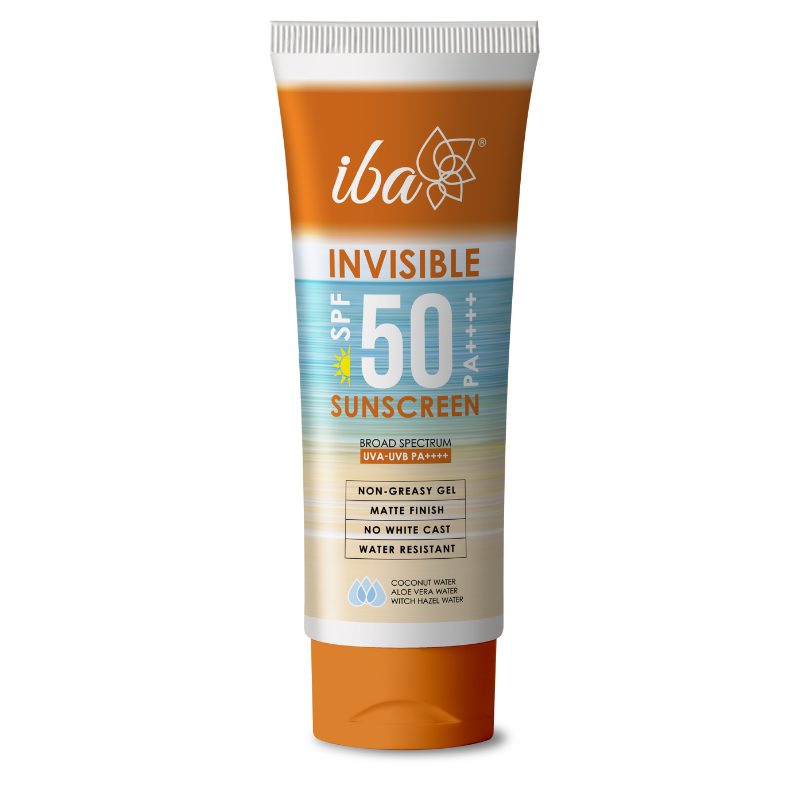
For complete daily protection, Iba Ubtan Sunscreen SPF 50 gives you broad-spectrum coverage with a lightweight, non-greasy formula that works under makeup or on its own.

Final Thoughts
Can we apply sunscreen at night? You can, but you shouldn't in most cases. Sunscreen serves a specific purpose during the day when UV rays threaten your skin. At night, your skin needs repair, hydration, and rest.
Save your sunscreen for the morning. Let your nighttime routine focus on what actually helps your skin heal and regenerate.
Ready to build a complete skincare routine with the right products for day and night? Check out the Iba Cosmetics Coupon Codes Page and give your skin exactly what it needs, when it needs it.
Frequently Asked Questions
Q. Can I apply sunscreen at night?
You can, but you don't need to. Sunscreen protects against UV rays, which aren't present at night. Your skin benefits more from repair and hydration products after dark.
Q. Should we apply sunscreen at night?
No. Nighttime skincare should focus on repair, not sun protection. Use products with ingredients like retinol, peptides, or hyaluronic acid instead.
Q. What happens if I sleep with sunscreen on?
Sleeping with sunscreen can clog pores, trap dirt and oil, and prevent your skin from properly repairing itself overnight. Always remove sunscreen before bed.
Q. Does sunscreen protect against blue light at night?
While some sunscreens claim blue light protection, the amount of blue light from screens at night is too minimal to worry about. Antioxidant serums work better for this concern.
Q. When is the only time I might need sunscreen at night?
Only if you're exposed to artificial UV sources (like tanning beds) or in regions with midnight sun. Otherwise, skip it.
Q. Can I sleep with sunscreen applied?
Sleeping with sunscreen is not recommended. The formula may clog pores, trap dirt, and interfere with your skin's natural overnight repair process.
Q. When should I use sunscreen?
Apply sunscreen every morning, about 15 to 20 minutes before sun exposure. Reapply every two hours when outdoors.
Q. What are the benefits of using sunscreen at night?
There are no significant benefits to wearing sunscreen after dark. Sunscreen is formulated for UV protection, which is absent at night. Nighttime skincare should focus on hydration, repair, and cell renewal.
Q. Should people with pigmentation wear sunscreen at night?
No, pigmentation does not require nighttime sunscreen. However, consistent daytime sunscreen use is essential for managing pigmentation. At night, opt for brightening serums or targeted treatments that support skin repair.
Q. Can sunscreen replace a night cream?
No, the two serve very different purposes. Sunscreen protects from UV damage during the day, while night creams focus on deep hydration and overnight repair.