
You slather on sunscreen before heading out. Minutes later, you're wondering if all that effort will keep your skin from getting darker.
Does sunscreen prevent tanning? The answer isn't as simple as yes or no. Sunscreen reduces tanning significantly, but it doesn't eliminate it completely. Understanding how sunscreen works and why some tanning still happens can help you protect your skin better.
Let's break down everything you need to know about sunscreen and tanning.
What Causes Skin Tanning?
Tanning happens when your skin produces more melanin in response to UV exposure. Melanin is the pigment that gives your skin its color. When UV rays hit your skin, skin cells make more melanin to protect the deeper layers from damage.
A tan isn't a sign of health. When your skin darkens, it means UV damage has already occurred.
UVA vs UVB Rays
Two types of UV radiation affect your skin differently:
UVA Rays
These rays penetrate deep into your skin. UVA is responsible for tanning, premature aging, dark spots, and long-term skin damage. Studies show that SPF 30 sunscreen blocks approximately 97% of UVB rays, but protection against UVA varies based on the formula.
UVB Rays
These rays affect your skin's outer layer. UVB causes sunburn and plays a major role in skin cancer development. SPF ratings primarily measure protection against UVB rays.
Both types can damage your skin. Both can contribute to skin cancer risk. Broad-spectrum protection against UVA and UVB is essential.
Does Sunscreen Prevent Sun Tan?
Yes, applying sunscreen prevents tanning to a large extent, but not entirely. No sunscreen blocks 100% of UV rays. Even the best formulas let a small percentage of radiation through.
How Sunscreen Reduces Tanning
Sunscreen creates a protective barrier on your skin. Chemical sunscreens absorb UV rays and convert them to heat.
When you wear sunscreen with high SPF and PA ratings, significantly fewer UV rays reach your melanocyte cells. Less UV exposure means less melanin production. Less melanin means minimal tanning.
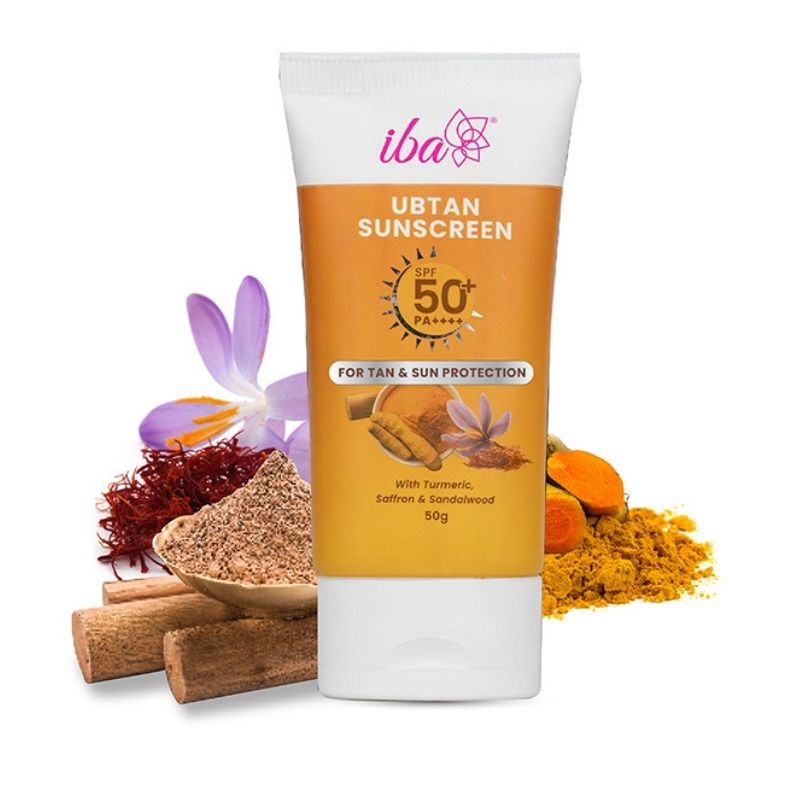
Iba Ubtan Sunscreen SPF 50 PA++++ offers broad-spectrum protection against both UVA and UVB rays. Infused with turmeric, saffron, and sandalwood, the formula not only blocks UV rays but also fights existing tan and adds natural brightness.

Understanding SPF and PA Ratings
SPF stands for Sun Protection Factor. SPF measures protection against UVB rays only. SPF 30 blocks about 97% of UVB rays. SPF 50 blocks about 98%. Higher SPF doesn't mean double protection, just slightly better coverage.
PA stands for Protection Grade of UVA. PA ratings show how well sunscreen protects against UVA rays that cause tanning.
PA rating breakdown:
-
PA+ gives some UVA protection
-
PA++ provides moderate UVA protection
-
PA+++ offers high UVA protection
-
PA++++ delivers very high UVA protection
For maximum tan prevention, choose sunscreen with both high SPF and PA++++ rating.

Best Practices for Sun Protection
Want to minimize tanning as much as possible?
Follow these steps:
Apply Sunscreen Generously
Use enough product to cover all exposed skin. Half a teaspoon works for your face and neck. Don't forget ears, hairline, and the back of your neck.
Reapply Frequently
Sunscreen breaks down over time. Swimming, sweating, and towel drying remove it faster. Reapply every 2 hours when outdoors.
Choose Broad-Spectrum Formulas
SPF alone isn't enough. Broad-spectrum sun protection blocks both UVA (tanning) and UVB (burning) rays.
Wear Protective Clothing
Long sleeves, wide-brimmed hats, and sunglasses add extra protection. Clothing blocks UV rays that sunscreen might miss.
Avoid Peak Sun Hours
UV rays are strongest between 10 AM and 4 PM. Stay indoors or in shade during these hours when possible.
Seek Shade
Umbrellas, trees, and canopies reduce direct UV exposure significantly.
For daily protection that doesn't feel heavy or greasy, Iba Ubtan Sunscreen absorbs quickly and works beautifully under makeup. The vegan formula makes it safe for everyone.
Additional Tan Prevention Tips
Sunscreen works best as part of a complete skincare routine. Pair your sun protection with products that address existing tan and dark spots.
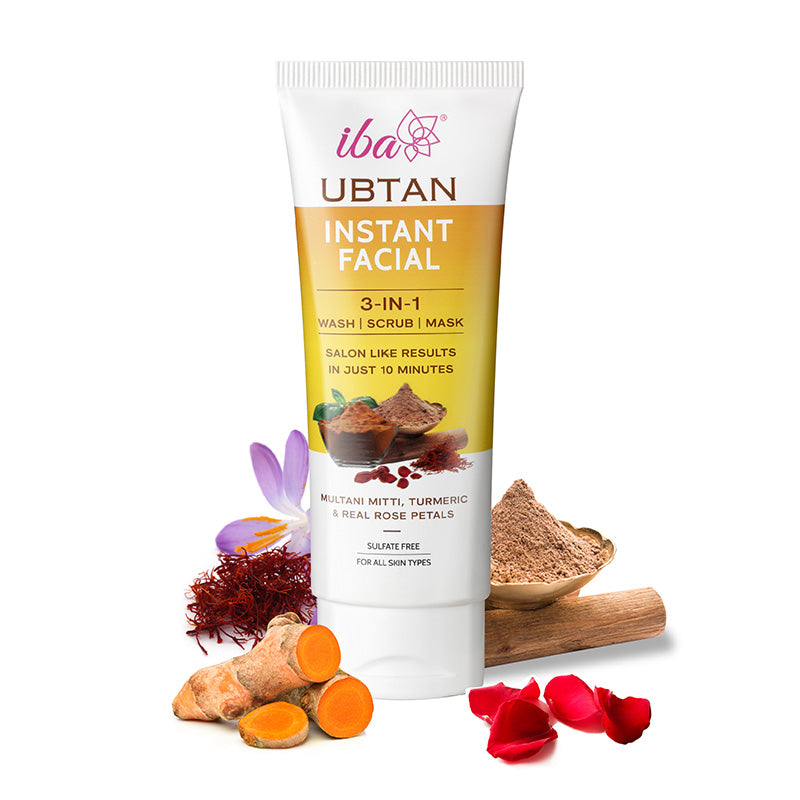
Ingredients like turmeric, saffron, and sandalwood naturally brighten skin and fade tan. Iba Ubtan Instant Facial 3-in-1 Wash-Scrub-Mask cleanses while working to reduce tan.
Consistency matters more than any single product. Daily use sunscreen plus regular use of tan-reducing ingredients gives the best results.
Final Thoughts
Sunscreen dramatically reduces UV exposure and minimizes tanning, but some darkening may still occur with prolonged sun exposure. Proper application, frequent reapplication, and broad-spectrum protection give you the best defense against unwanted tan.
Pair quality sunscreen with smart sun habits for maximum protection. Stay in shade during peak hours. Wear protective clothing. Choose formulas with high SPF and PA ratings.
Ready to protect your skin from tanning and sun damage? Check out exclusive savings on sun protection essentials with the Iba Cosmetics Coupon Codes on your favorite products.
Frequently Asked Questions
Q. Does sunscreen prevent tanning?
Sunscreen significantly reduces tanning by blocking most UV rays, but it doesn't prevent tanning completely. Even high SPF formulas allow 2-3% of UV rays through, which can cause some darkening over time.
Q. Can sunscreen prevent sun tan completely?
No sunscreen blocks 100% of UV rays. Proper application of broad-spectrum SPF 50 with PA++++ minimizes tanning dramatically but doesn't eliminate it entirely.
Q. Will I get darker if I wear sunscreen every day?
Daily sunscreen use prevents progressive darkening from sun exposure. You won't get darker when wearing sunscreen compared to going without protection.
Q. How often should I reapply sunscreen to prevent tanning?
Reapply sunscreen every 2 hours when outdoors. Reapply immediately after swimming, heavy sweating, or towel drying for continuous protection.
Q. Does higher SPF prevent tanning better?
Higher SPF blocks slightly more UV rays. SPF 50 blocks about 98% of UVB rays while SPF 30 blocks 97%. For tan prevention, PA rating matters more since UVA causes tanning.