
Sunscreen protects the skin, but it can leave behind stubborn marks on clothes, towels, and even furniture. White streaks on dark fabrics, yellow patches on white kurtas, and orange rings around collars are all common complaints. Knowing how to remove sunscreen stains starts with understanding why they happen in the first place. The type of sunscreen, the fabric, and how quickly the stain is treated all play a role in how easy or tough the removal process turns out to be.
Why Sunscreen Leaves Stains on Fabric
Sunscreen formulas contain oils, UV filters, and pigments that can transfer to fabric on contact. The type of stain depends on whether the sunscreen is mineral-based, chemical-based, or a mix of both.
Mineral sunscreens with zinc oxide or titanium dioxide tend to leave a chalky white residue on darker clothes. Chemical sunscreens often contain avobenzone, a UV filter that reacts with sweat, iron in water, and heat. Avobenzone stains are the ones that turn fabric yellow or orange over time, especially after washing in warm water. Sunscreen marks on collars, necklines, and sleeve edges are especially common because these areas rub against freshly applied product.
Types of Sunscreen Stains at a Glance
Different sunscreen ingredients leave different marks. The table below may help identify what caused the stain and how to approach removal.
| Stain Type | Colour on Fabric | Likely Cause |
|---|---|---|
| White or chalky residue | White on dark clothes | Zinc oxide or titanium dioxide |
| Greasy or oily patch | Transparent, darkens fabric | Oils and emollients in formula |
| Yellow discolouration | Yellow on white clothes | Avobenzone reacting with water |
| Orange or rust marks | Orange on whites or lights | Avobenzone reacting with sweat |
Yellow sunscreen stains on white clothes and orange sunscreen stains are usually the hardest to remove because they set deeper once exposed to heat or warm water during washing.
How to Remove Sunscreen Stains Step by Step
Most sunscreen stain removal methods use household items that are already in the kitchen or laundry area. Acting fast gives the best results.
Scrape and Blot Right Away
- If the sunscreen is still wet, scrape off any excess with a spoon or flat edge.
- Blot the area gently with a dry cloth.
- Avoid rubbing, as that may push the product deeper into the fabric fibres.
Apply Dish Soap or Baking Soda
- For greasy or oily stains, dab a drop or two of clear dish soap directly onto the mark.
- Work it into the fabric gently with a fingertip or soft brush in circular motions.
- For white mineral residue, a paste of baking soda and water may help lift the chalky layer.
- Let the soap or paste sit for 30 to 60 minutes before rinsing.
Wash in Cool Water
- Rinse the treated area with cool water.
- Warm or hot water may set avobenzone stains and make them harder to remove.
- If the fabric is machine-washable, run it through a cold cycle with a gentle detergent.
- Air dry the item instead of using a dryer.
- Heat from a dryer may lock in any remaining stain.
For Stubborn Yellow or Orange Marks
- If yellow sunscreen stains on white clothes or orange sunscreen stains remain after the first wash, a paste of baking soda and white vinegar applied to the stain for 30 minutes may help.
- For white fabrics, hanging the item in direct sunlight after washing may naturally bleach the remaining discolouration.
- A squeeze of lemon juice on the stain before sun-drying may speed up the process.
How to Prevent Sunscreen Marks on Clothes
A few small habits during application may reduce the chances of staining in the first place:
- Let the sunscreen absorb fully into the skin before putting on clothes.
- Waiting two to three minutes after application gives the formula time to set.
- Choosing a lightweight, fast-absorbing formula from the sunscreen range may cut down on transfer.
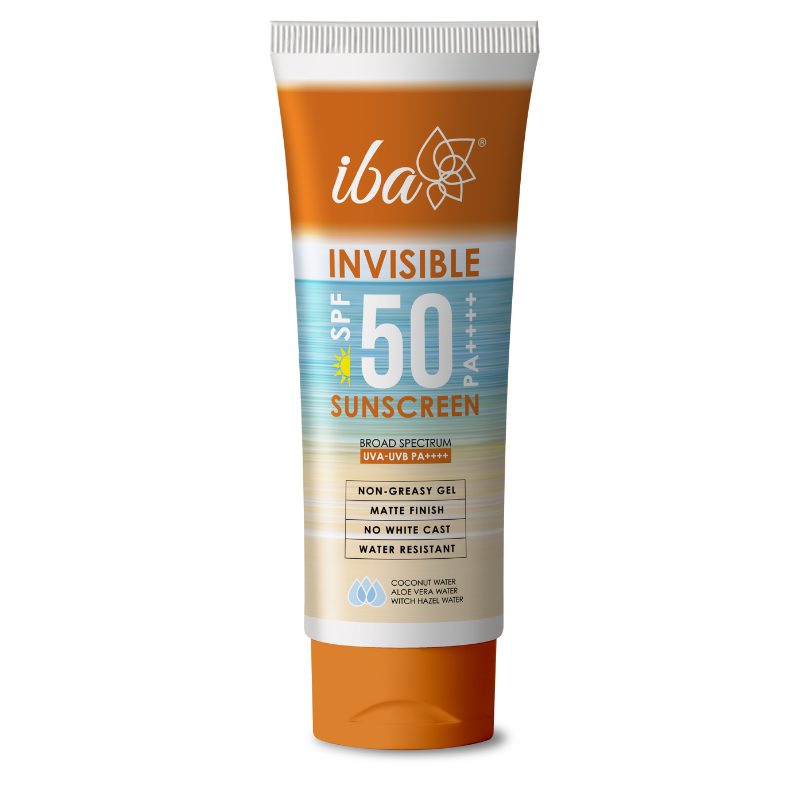
- An invisible sunscreen with a clear, non-greasy finish is less likely to leave white marks on dark fabrics compared to a thick mineral formula.
- Washing hands after applying sunscreen may prevent accidental transfer to clothes, bags, and furniture.
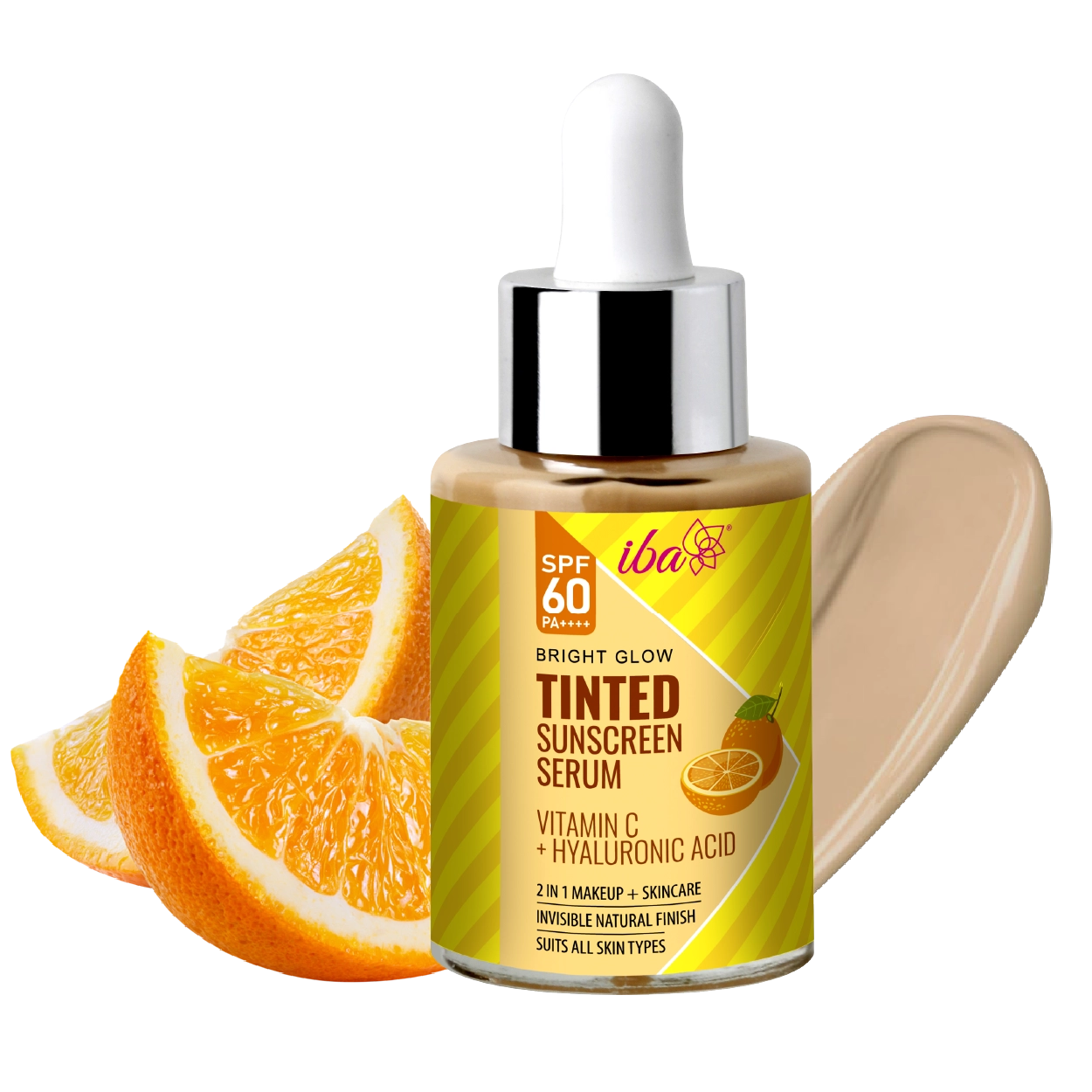
- For the face and neck, a tinted sunscreen serum may blend into the skin more fully, reducing the chance of product sitting on the surface and rubbing off onto collars.
Pairing sunscreen with a light moisturiser underneath may help the formula absorb faster. At the end of the day, a face wash or a makeup remover may clear sunscreen residue from the skin before it transfers to pillows and bedsheets overnight.
Clean Clothes, Protected Skin
Sunscreen stains clothes removal does not need to be stressful. Most marks come out with dish soap, cool water, and a little patience. Acting fast, avoiding hot water, and choosing a formula that absorbs quickly may prevent most stains from happening at all.
Good sun protection should not come at the cost of stained clothes. For the latest deals on sunscreen and skincare, visit the Iba Cosmetics Coupon Codes Page.
FAQs
How to remove sunscreen stains from white clothes?
Treat the stain with dish soap and cool water first. For yellow or orange marks, a baking soda paste left on for 30 minutes before a cold wash may help. Avoid warm water, as it may set avobenzone stains deeper.
Why does sunscreen leave orange stains on clothes?
Orange sunscreen stains are usually caused by avobenzone, a chemical UV filter that reacts with sweat and minerals in water. Washing in warm water may darken the stain further instead of removing it.
Can sunscreen marks on collars be prevented?
Letting sunscreen absorb for two to three minutes before dressing may reduce transfer. Choosing an invisible or fast-absorbing formula may also cut down on residue rubbing off onto collar edges.
Does mineral sunscreen stain clothes less than chemical sunscreen?
Mineral sunscreen may leave white residue on dark clothes, but chemical sunscreen with avobenzone may cause harder-to-remove yellow or orange marks on whites. Both types may stain, but the stain type and removal method differ.
Should I use hot or cold water to wash sunscreen stains?
Always use cool or cold water. Hot water may set chemical sunscreen stains, especially those caused by avobenzone, making them permanent. Cold water keeps the stain loose and easier to lift out.
Can I remove old, set-in sunscreen stains?
Older stains are harder to remove but not always permanent. Soaking the fabric in a mix of baking soda, white vinegar, and cool water for a few hours may loosen the mark. Repeating the treatment two or three times may improve results.