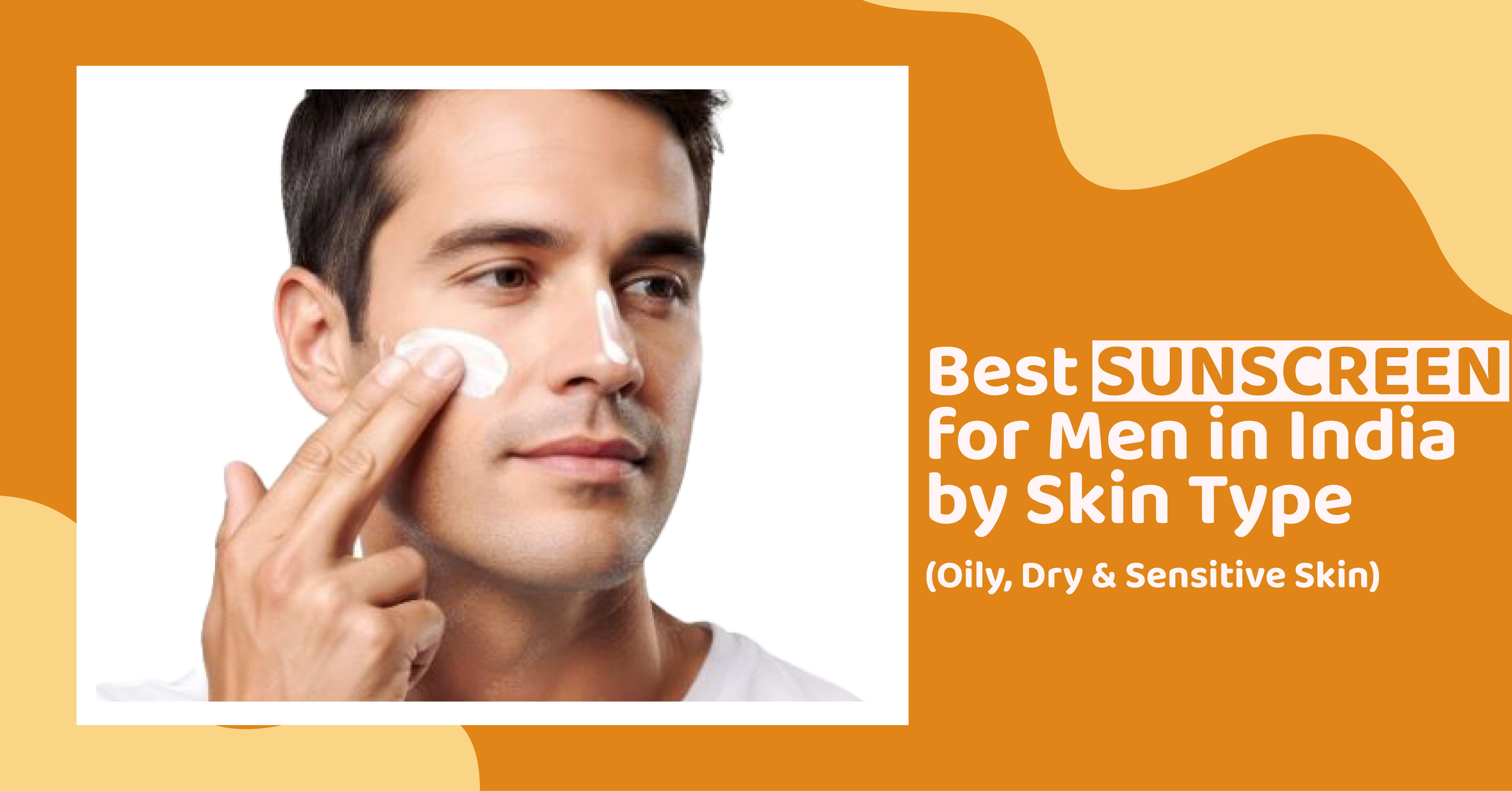

You have been staying indoors, wearing sunscreen, skipping the beach, and yet your skin looks a shade darker than usual. The frustration is valid because most people assume only UV rays cause darkening. In reality, why skin gets darker without sun exposure often comes down to internal triggers that have nothing to do with sunlight.
From hormonal shifts and stress to product reactions and nutrient gaps, your skin could be responding to signals you have not noticed yet. Here is a practical look at what might be happening and how to stop skin from getting darker.
How Skin Color Works
Skin tone is determined primarily through melanin, a pigment produced in skin cells called melanocytes. Genetics set the baseline, but melanin production is not static.
When skin senses irritation, inflammation, hormonal changes, or damage, melanocytes ramp up pigment production as a protective response. The result? Dark spots, uneven tone, or an overall dull appearance, all without a single sunburn.
Common Causes of Skin Darkening Without Sun
Several everyday factors can quietly trigger excess melanin production.
Hormonal Changes
Hormonal fluctuations from pregnancy, birth control pills, thyroid imbalances, or conditions like PCOS can cause hyperpigmentation. Melasma, which appears as brown patches on the cheeks, forehead, and upper lip, is one of the most common hormone-driven skin darkening conditions.
Post-Inflammatory Hyperpigmentation (PIH)
Any form of skin inflammation, whether from acne, rashes, insect bites, or even aggressive scrubbing, can leave behind dark marks once the area heals. Skin produces extra pigment during the repair process, and those marks can linger for weeks or months.
Certain Medications
Some antibiotics, anti-seizure drugs, and hormonal medications list skin darkening as a side effect. If your skin tone changed after starting a new prescription, a conversation with your doctor is worth having.
Stress and Poor Sleep
Chronic stress raises cortisol levels, which can interfere with skin repair and melanin regulation. Poor sleep compounds the issue, as skin does most of the regeneration and healing work overnight. Consistent sleep deprivation leads to dullness, dark circles, and uneven tone.
Pollution and Indoor Air Quality
Airborne pollutants penetrate the skin barrier and trigger oxidative stress. Even when you are mostly indoors, dust, cooking fumes, and poor ventilation expose skin to particles that stimulate excess pigmentation.
Nutrient Deficiencies
Low levels of vitamins B12, C, D, and E can contribute to darker, uneven-looking skin. Adequate nutrition supports cell renewal and skin clarity. A balanced diet rich in fruits, vegetables, and whole grains plays a bigger role in skin tone than many people realize.
Dehydration and a Damaged Skin Barrier
When skin is chronically dry or the barrier is compromised, the surface becomes rough and uneven. Light does not reflect evenly off dehydrated skin, making the complexion appear darker than the actual tone.
Wrong Skincare Products
Harsh exfoliants, high-strength actives used too frequently, alcohol-based toners, or expired products can irritate skin and worsen pigmentation. Gentle, sulfate-free formulations are safer for maintaining an even tone.
How to Treat Skin Darkening Without Sun Exposure
Once you identify the trigger, the right combination of skincare, nutrition, and habits can gradually restore an even tone.
Wear Sunscreen Daily, Even Indoors
Blue light from screens and ambient indoor light contribute to pigmentation. A broad-spectrum sunscreen every morning protects skin from both UV and visible light damage, making sunscreen the single most important step in any brightening routine.
Strengthen the Skin Barrier with Hydration
A compromised barrier makes darkening worse. Use a gentle face wash, follow with a hydrating moisturizer, and avoid over-exfoliating. Well-hydrated skin reflects light more evenly and appears visibly brighter.
Introduce Brightening Actives Gradually
Vitamin C, niacinamide, and alpha arbutin are effective at reducing excess melanin production when used consistently over 4-8 weeks. Add one active at a time to avoid irritating the skin, and always pair with sunscreen in the morning.
Address Nutritional Gaps
Foods high in vitamin C (citrus, bell peppers), vitamin E (nuts, seeds), and antioxidants (berries, leafy greens) support skin clarity from within. If you suspect a deficiency, especially B12 or D, a simple blood test can confirm.
How to Stop Skin from Getting Darker
- Cleanse skin thoroughly every evening to remove pollution and buildup
- Aim for 7-8 hours of quality sleep nightly
- Manage stress through breathing exercises or regular walks
- Drink adequate water, as dehydration makes pigmentation more visible
- Avoid harsh, alcohol-based products that irritate and inflame skin
- Maintain a consistent skincare routine rather than switching products frequently
Common Myths About Skin Darkening
A few widespread misconceptions can lead you down the wrong path.
"Only sunlight causes darkening."
-
Hormones, inflammation, medications, and nutrient gaps all trigger melanin production independently of UV exposure.
"Scrubbing harder will lighten skin."
-
Over-exfoliation irritates and inflames skin, which actually worsens hyperpigmentation over time.
"Whitening creams are a quick fix."
-
Most over-the-counter lightning creams provide temporary results and can damage the skin barrier with prolonged use. Targeted ingredients like vitamin C and niacinamide are safer and more effective long-term.
Even-Toned Skin Starts with Knowing the Cause
Skin darkening without sun exposure usually traces back to internal triggers or everyday habits rather than something sudden or unexplained. Gentle skincare, daily sunscreen, balanced nutrition, and better recovery habits work together to gradually bring your skin back to an even, healthier-looking tone.
If you are building a routine focused on gentle brightening and barrier support, check out plant-based, skin-friendly options on the Iba Cosmetics Coupon Codes Page and get the latest deals.
Frequently Asked Questions
Q. Can stress alone make skin darker?
Yes. Chronic stress raises cortisol, which disrupts melanin regulation and skin repair, leading to dullness and uneven tone even without sun exposure.
Q. Does drinking more water help with skin darkening?
Adequate hydration supports skin barrier health and cell renewal. While water alone will not reverse pigmentation, dehydration makes darkening more visible.
Q. Can wrong skincare products darken skin?
Absolutely. Harsh exfoliants, alcohol-based toners, and high-strength actives used too frequently can irritate skin, triggering post-inflammatory hyperpigmentation.
Q. Is skin darkening from hormones reversible?
In most cases, yes. Once the hormonal trigger is managed, consistent use of brightening ingredients and sunscreen can gradually restore an even tone.
Q. Should I wear sunscreen indoors?
Yes. Blue light from screens and ambient light can contribute to pigmentation. A broad-spectrum sunscreen worn daily offers protection even when staying inside.
Q. When should I see a dermatologist for darker skin?
If darkening spreads, deepens, or does not improve after 8-10 weeks of consistent skincare, consult a dermatologist to rule out underlying medical conditions.