
Most people apply sunscreen to the face and call it done. But UV rays do not stop at the jawline. Some of the most sun-exposed body parts that need sunscreen rarely get any coverage at all. Ears, neck, hands, scalp, lips, and even the tops of the feet are common forgotten sunscreen areas that may take damage without anyone noticing. A few extra seconds during application may protect skin that is otherwise left wide open.
Why Missing Spots Matter
UV damage builds up over time. Sunburn is the obvious sign, but even without a burn, unprotected skin may develop dark spots, uneven tone, and premature ageing. Some of the most common areas for skin damage are the ones people forget to cover during their morning routine.
Knowing where to apply sunscreen across the full body, not just the face, may reduce the risk of long-term sun damage. A lightweight formula from the sunscreen range makes it easier to cover more skin without the product feeling heavy or greasy.
The Spots Most People Skip
A few extra areas beyond the face need regular sunscreen coverage. Each one is exposed to UV rays daily but rarely gets the same attention as the cheeks and forehead.
Ears
- Sunscreen on ears is something most people skip completely.
- The tops, lobes, and backs of the ears face the sun directly, especially during outdoor commutes and walks.
- Ear skin is thin and may burn quickly.
- A small dab of sunscreen rubbed over both ears during the morning routine takes a few seconds.
Neck
- The front and back of the neck are almost always exposed but rarely covered.
- Sunscreen on neck skin is just as important as sunscreen on the face because the skin here is thin and shows signs of ageing and sun damage early.
- Extending the facial sunscreen application down to the collarbone may cover this gap.
Hands
- Sunscreen on hands gets washed off more than any other area.
- Every hand wash, every sanitiser use, and every rinse removes the layer of protection.
- Reapplying after washing is the only reliable way to keep the backs of the hands protected.
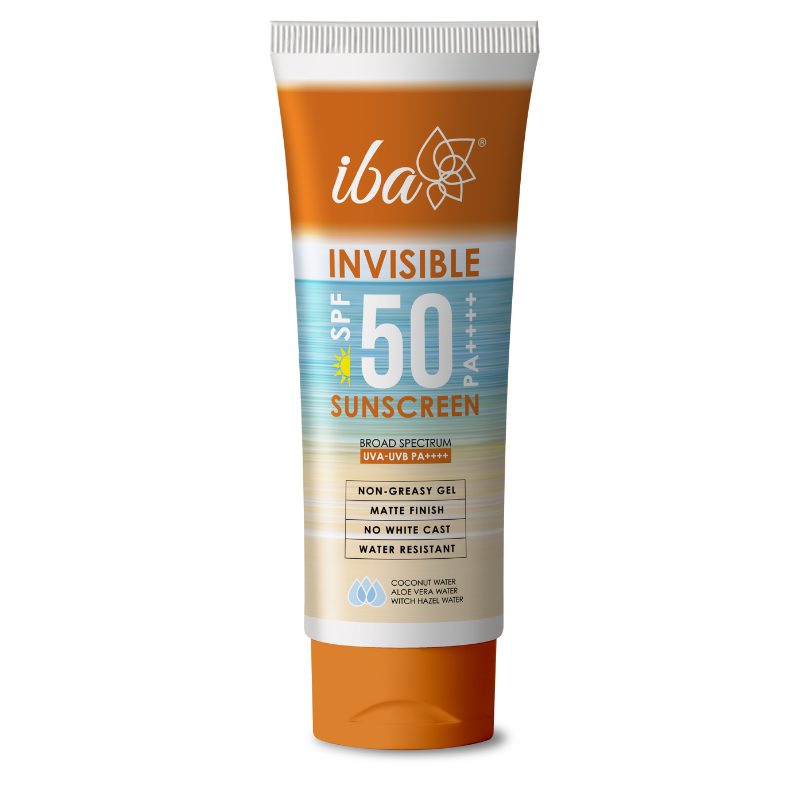
- An invisible sunscreen with a non-greasy finish may work well for hands because it absorbs fast and does not leave a slippery feel.
Scalp
- Sunscreen for scalp protection is often overlooked because hair seems like enough coverage.
- But the part line, hairline, and any thinning areas are directly exposed to UV rays.
- A hat is the easiest solution.
- On days without one, spraying or dabbing a lightweight sunscreen along the part line and hairline may help.
Lips
- Lips have very little natural UV protection.
- A lip balm with SPF may shield the lips from sun damage and dryness at the same time.
- Reapplying after eating or drinking keeps the protection active through the day.
Tops of the Feet
- Open sandals, flip-flops, and juttis leave the tops of the feet fully exposed.
- A sunburn on the feet is painful and avoidable.
- Applying sunscreen to the tops of the feet before stepping out in open footwear may prevent burns during long outdoor stretches.
How Much Sunscreen Is Enough
Covering all sunscreen application areas properly takes more product than most people use. About two finger-lengths for the face and neck is the standard. Another two finger-lengths for each arm, and roughly one tablespoon for each leg, may bring the body closer to full coverage.
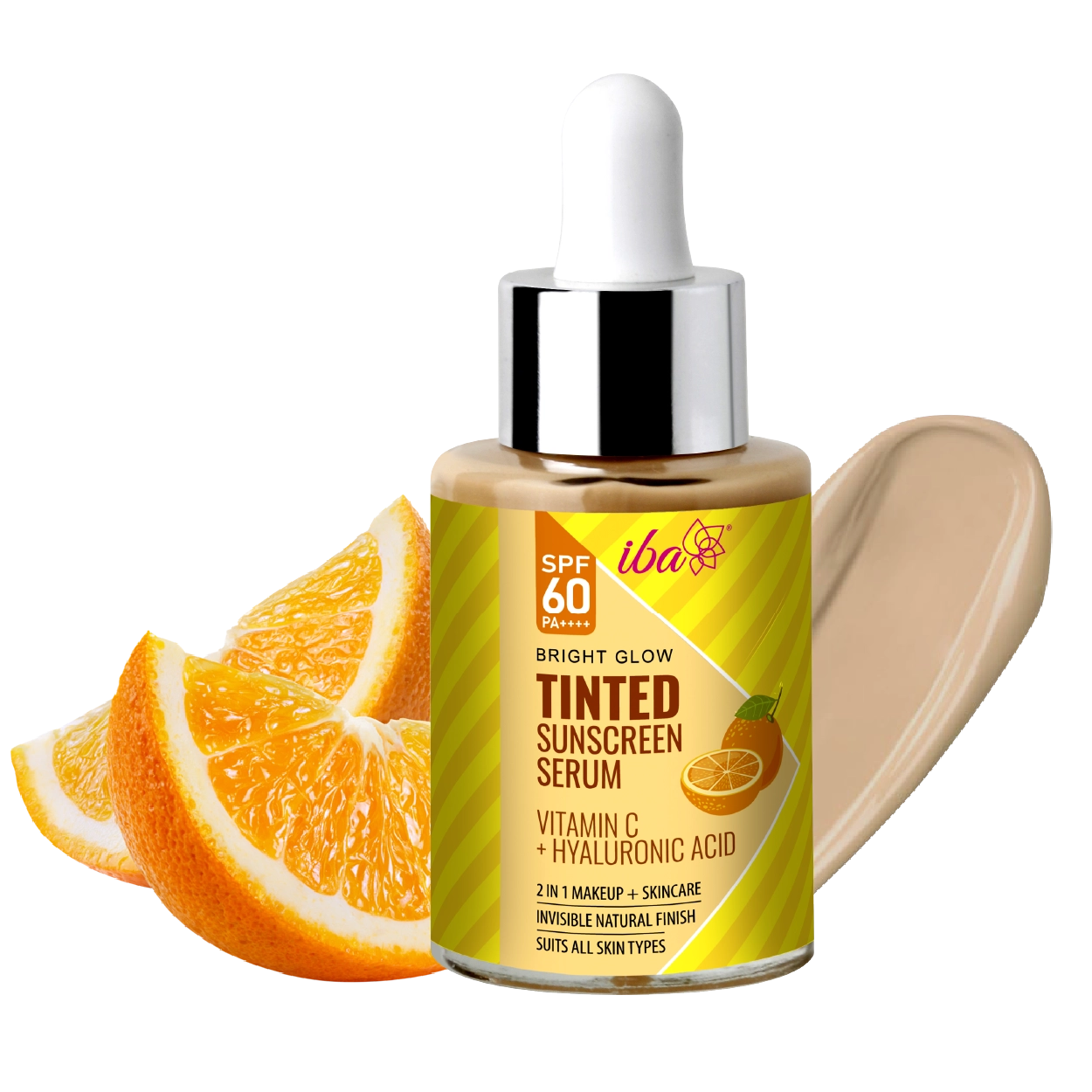
A tinted sunscreen serum with SPF 60 works well for the face and neck. For the rest of the body, a lighter lotion or gel formula from the sun protection range may feel more comfortable on larger areas.
How to Build Full Coverage into the Routine
Adding the forgotten spots does not need to take long. A simple flow may help make it a habit.
- Start with the face and neck.
- Move to the ears and hairline.
- Apply to the backs of the hands and arms.
- Finish with any exposed area below the knees if wearing open footwear.
A light moisturiser applied before sunscreen may help the formula spread more evenly across drier areas like the hands and feet. At the end of the day, a gentle face wash extended to the neck and ears may remove all sunscreen residue and keep pores clear.
Cover Every Spot, Not Just the Obvious Ones
Forgotten sunscreen areas like the ears, neck, hands, and scalp are just as vulnerable to UV damage as the face. A few extra seconds during application may protect body parts that need sunscreen but rarely get it. The habit is small, but the difference over time is not.
Good sun protection covers more than just the cheeks. For the latest deals on sunscreen and skincare, visit the Iba Cosmetics Coupon Codes Page.
FAQs
Where should I apply sunscreen besides my face?
Sunscreen should go on the ears, neck, hands, lips, scalp (especially the part line), and the tops of the feet when wearing open footwear. Any exposed skin is a potential sunscreen application area.
How often should I reapply sunscreen on my hands?
Reapply after every hand wash, sanitiser use, or rinse. Hands lose sunscreen faster than any other body part because of frequent washing throughout the day.
Do I need sunscreen on my ears every day?
Yes. Sunscreen on ears is a small step that may prevent long-term sun damage. The ears are thin-skinned, constantly exposed, and rarely covered by clothing or hair.
Can I use the same sunscreen on my face and body?
Yes. A lightweight, non-greasy formula works across all areas. For the face, a tinted or invisible formula may feel more comfortable. For the body, a lotion or gel may spread more easily.
Is sunscreen on the scalp necessary if I have thick hair?
Hair provides partial protection, but the part line, hairline, and any thinning areas are still exposed. A hat is the best option. On hat-free days, a dab of sunscreen along the part line may help.
What body parts need sunscreen the most?
The face, ears, neck, and hands are the most commonly exposed areas that need daily coverage. Lips and feet also need protection when spending extended time outdoors in open footwear.