
Every monsoon, sunscreen gets quietly pushed to the back of the shelf. The sky is grey, the sun is hidden, and applying SPF on a rainy morning feels pointless. But UV rays do not follow the weather forecast. Do you need sunscreen on cloudy days? Yes. Up to 80 per cent of UV radiation may pass through cloud cover and reach the skin even when the sun is nowhere in sight. Skipping sunscreen during monsoon may lead to the same damage that summer UV causes, just without the visible sunburn warning.
How UV Rays Behave on Cloudy Days
Sunlight carries two types of ultraviolet radiation that affect the skin: UVA and UVB. UVB rays are strongest at midday and may drop slightly on overcast days. UVA rays, which cause premature ageing, pigmentation, and collagen breakdown, stay nearly constant from sunrise to sunset regardless of cloud cover.
UV rays through clouds are not blocked the way visible light is. Thin or broken cloud layers may let through up to 80 per cent of UV radiation. On days with patchy monsoon clouds, UV may even scatter off water puddles and wet roads, increasing exposure from angles the skin is not usually protected from. A grey sky does not mean a UV-free day.
Five Monsoon Sunscreen Myths Debunked
A few beliefs about sunscreen in monsoon keep getting repeated online. The table below puts the most common ones next to what the science actually says.
|
Myth |
Reality |
|
No visible sun means no UV damage |
Up to 80% of UV rays pass through clouds, especially UVA |
|
Rain washes away all UV risk |
Wet skin may be more UV-sensitive, and rain removes sunscreen |
|
Indian skin does not need SPF in monsoon |
Melanin offers limited protection; UVA still triggers pigmentation |
|
SPF in makeup is enough for cloudy days |
Makeup SPF delivers a fraction of the stated protection in practice |
|
One morning application lasts all day indoors |
UVA passes through glass; reapply after 4-5 hours near windows |
Sunscreen in the rainy season of India needs to account for the fact that monsoon humidity, rain exposure, and indoor UVA all work together to cause damage that may only show up weeks later as dark spots and uneven tone.
Why Monsoon Makes Skin More Vulnerable
Humidity during the Indian monsoon regularly sits between 75 and 95 per cent. That level of moisture softens the outer layer of the skin, making the barrier slightly more permeable. Sweat mixed with rainwater and airborne pollutants may sit on the face and increase UV sensitivity.
At the same time, frequent face-washing and wiping to deal with humidity may remove the sunscreen layer faster than on a dry day. Rain itself may wash off product that was applied in the morning. A single application may not hold through a full monsoon workday the way it would in winter. Reapplying after getting wet or after heavy sweating may keep the protection active.
How to Wear Sunscreen in Monsoon Without the Sticky Feel
The main reason people skip sunscreen in monsoon is the texture. Heavy, greasy formulas feel suffocating in humid air. Choosing the right formula may make daily use comfortable year-round.
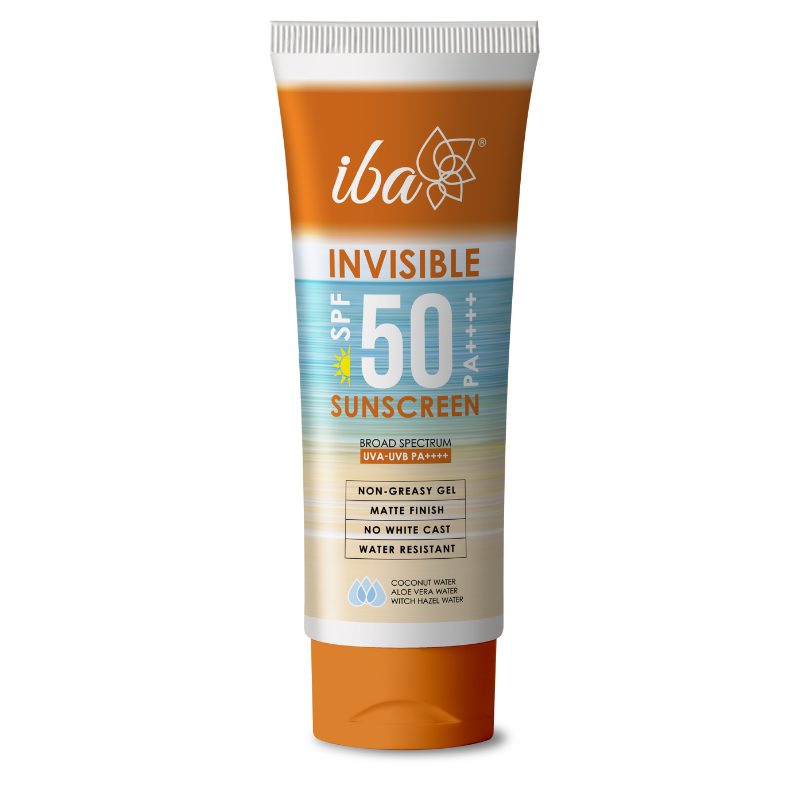
- A gel-based or serum-based invisible sunscreen absorbs fast and leaves a non-greasy, clear finish that suits humid weather.
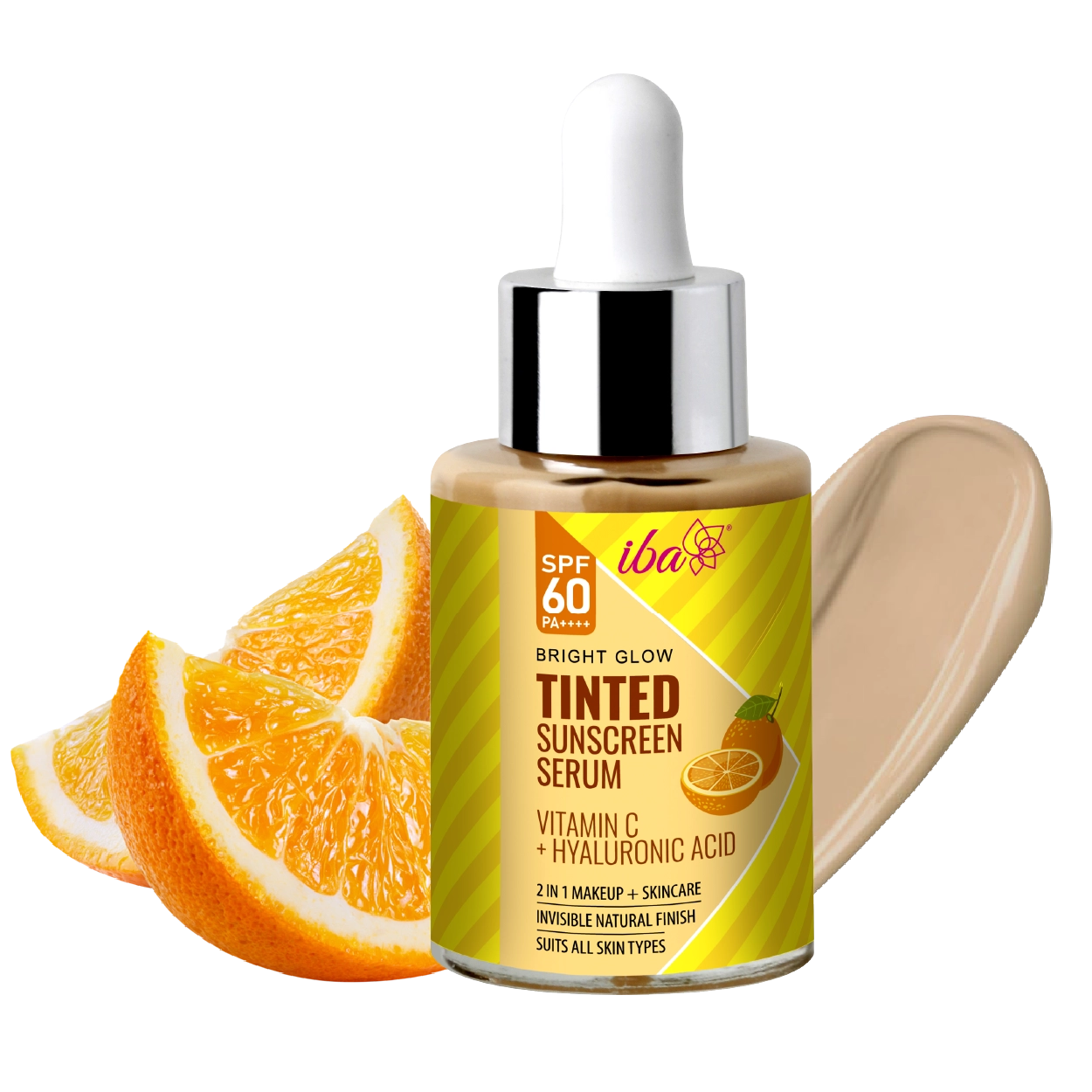
- For days that need a hint of colour correction along with SPF, a tinted sunscreen serum may work as both a lightweight base and sun protection in one step.
- Apply sunscreen over a light moisturiser and let it absorb for two to three minutes before stepping out.
- Keeping a travel-size product from the sunscreen range in the bag makes midday reapplication simple.
- A pressed powder from the sun protection range may also work as a light touch-up layer over makeup without disturbing the base.
- At the end of the day, a gentle face wash may remove all traces of sunscreen, humidity residue, and pollutants before the night routine begins.
Cleansing thoroughly after a monsoon day matters just as much as applying SPF in the morning.
SPF Every Day, Rain or Shine
Do you need sunscreen on cloudy days? The science says yes. UV rays pass through clouds, penetrate glass, scatter off wet surfaces, and reach the skin even when the weather feels cool and grey. Monsoon humidity may make the skin more vulnerable to that exposure, and rain may wash away the morning layer faster.
A lightweight formula, a quick reapplication after getting wet, and a consistent daily habit may keep the skin protected through the entire monsoon season. For the latest deals on sunscreen and skincare, visit the Iba Cosmetics Coupon Codes Page.
FAQs
Do you need sunscreen on cloudy days even if you stay indoors?
UVA rays pass through glass windows. Sitting near a window on a cloudy day still exposes the skin to UV radiation. A morning application may be enough for most indoor days, with a reapplication after 4 to 5 hours near direct window light.
Does sunscreen in monsoon cause breakouts?
Only if the formula is heavy or comedogenic. A lightweight, gel-based, non-comedogenic sunscreen may protect without clogging pores. Monsoon humidity increases oil production, so a matte or invisible finish works best.
How often should I reapply sunscreen during monsoon?
Reapply after getting caught in rain, after heavy sweating, or after wiping the face. For a standard indoor day, a single generous morning application may be enough. Outdoor days may need reapplication every two to three hours.
Can UV rays really pass through thick monsoon clouds?
Yes. Thick clouds may reduce some UVB, but UVA passes through most cloud cover. On days with patchy clouds, scattered UV may actually increase exposure from reflected and refracted light.
Is SPF 30 enough for monsoon, or do I need SPF 50?
SPF 30 blocks about 97 per cent of UVB when applied correctly. SPF 50 gives an added safety margin for under-application. For most monsoon days, SPF 30 with PA+++ is a solid daily choice.
Why do dark spots appear after monsoon even though I did not get sunburnt?
UVA triggers melanin production without visible sunburn. The damage happens silently during overcast weeks and shows up as dark spots and uneven tone in September or October. Daily sunscreen use during monsoon may prevent that delayed pigmentation.