
You are standing in the skincare aisle, staring at two sunscreens with the same SPF 50 on the label, one a gel, one a cream. Same protection level, completely different textures. So which one really belongs in your routine?
The sunscreen gel vs cream India debate is not about which format is "better" overall. The right answer depends entirely on your skin type, local climate, and what feels comfortable enough to wear and reapply every single day. Here is a clear, practical comparison to help you pick the right one.
What Is a Sunscreen Gel?
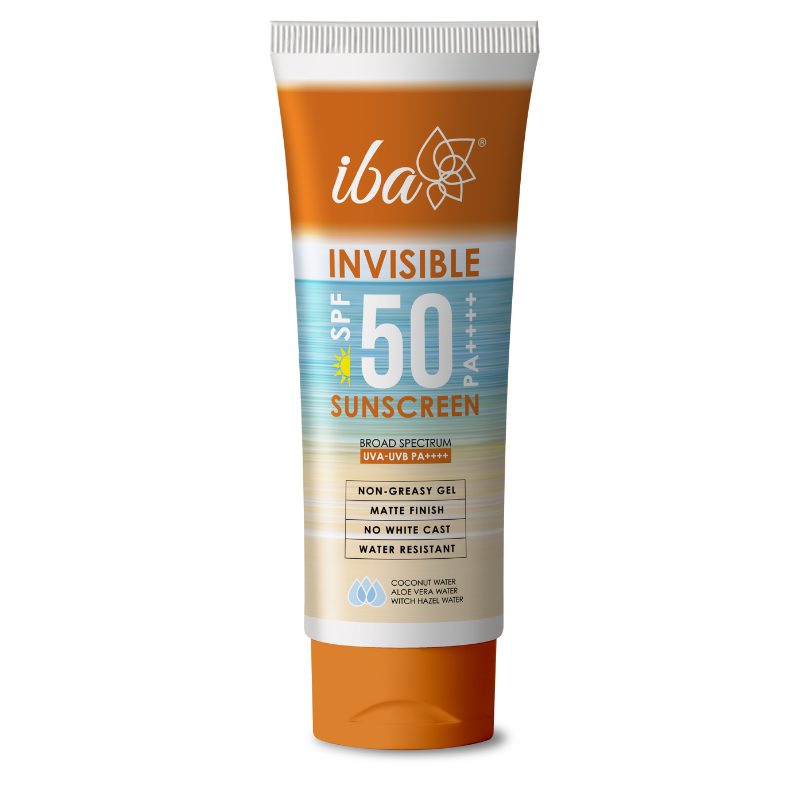
A sunscreen gel is a lightweight, water-based or silicone-based formula that absorbs quickly and leaves a matte or semi-matte finish. Gels feel almost weightless on the skin, which makes daily application feel effortless rather than heavy.
-
Works best for: Oily, acne-prone, and combination skin types. Also ideal for hot, humid Indian climates where heavier textures feel uncomfortable.
-
Common ingredients: UV filters, hyaluronic acid, niacinamide, and mattifying agents.
-
Pros: Non-greasy, does not clog pores, layers well under makeup, no white cast on most formulations.
-
Cons: May not provide enough hydration for very dry or flaky skin. Can feel insufficient in cold, dry winters without a moisturizer underneath.
What Is a Sunscreen Cream?
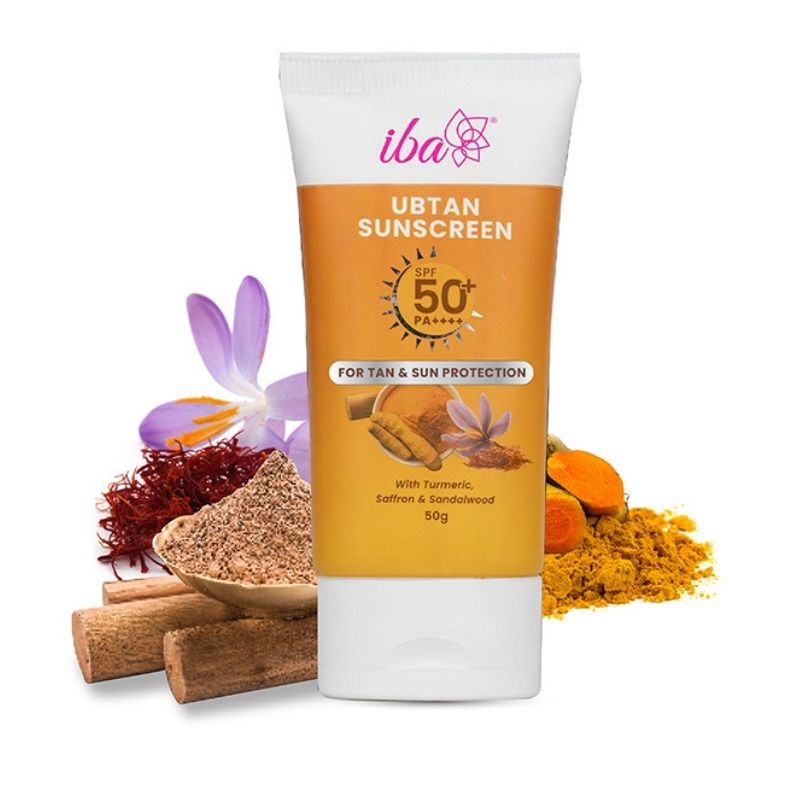
A sunscreen cream is a richer, emollient-based formula designed to deliver both UV protection and hydration in one step. Creams feel more cushioning on the skin and leave a moisturized, dewy finish.
- Works best for: Dry, sensitive, and mature skin types. Also suited for cooler climates, air-conditioned environments, and winter months.
- Common ingredients: UV filters, shea butter, ceramides, glycerin, and antioxidants.
- Pros: Deeply hydrating, supports the skin barrier, soothes dry or irritated skin, and provides a protective moisture layer.
- Cons: Can feel heavy on oily skin, may contribute to shine or clogged pores in humid weather.
Sunscreen Gel vs Cream: A Direct Comparison
Let’s see how the two formats stack up across the factors that matter most for Indian skin.
|
Factor |
Sunscreen Gel |
Sunscreen Cream |
|
Texture |
Lightweight, water-based |
Thicker, emollient-rich |
|
Finish |
Matte or semi-matte |
Moisturized, dewy |
|
Absorption |
Absorbs within seconds |
Takes slightly longer to blend |
|
Best skin type |
Oily, combination, acne-prone |
Dry, sensitive, mature |
|
Best climate |
Hot, humid Indian summers |
Cold, dry winters or AC environments |
|
Under makeup |
Smooth base, works like a primer |
May need setting, can feel layered |
|
Hydration level |
Minimal, relies on prior skincare steps |
Built-in hydration from emollients |
|
Pore-clogging risk |
Low, non-comedogenic formulas available |
Higher, especially in humid weather |
Which One Should You Pick Based on Your Skin Type?
Choosing the better sunscreen comes down to matching texture to skin needs and daily conditions.
Oily or Acne-Prone Skin
Go with a gel. The lightweight, non-comedogenic texture controls shine and does not add greasiness. A gel sunscreen with niacinamide can also help regulate oil production while protecting against UV damage.
Dry or Flaky Skin
A cream-based sunscreen is a better match. The emollient-rich formula prevents tightness, smooths rough patches, and locks in hydration. Layer a hydrating moisturizer underneath for added barrier support.
Combination Skin
Either format can work depending on the season. Use a gel during the summer months and switch to a lighter cream or lotion during the winter. Some people apply gel on the T-zone and cream on drier cheeks for a customized approach.
Sensitive Skin
A fragrance-free, mineral-based cream tends to be gentler on reactive skin. Avoid gels with alcohol or strong mattifying agents, as the ingredients can sting or irritate a compromised barrier.
Can You Alternate Between Gel and Cream?
Absolutely. Your skin's needs change with seasons, weather, and hormonal shifts. A practical approach for Indian conditions:
- Summer and monsoon: Gel-based sunscreen for a matte, breathable finish in humidity
- Winter and dry spells: Cream-based sunscreen for added hydration and sun protection
- Air-conditioned offices: Cream or lotion to counter indoor dryness regardless of the season outside
The key is consistent daily application and reapplication every 2 hours during sun exposure, regardless of the format you choose.
What Matters More Than Texture
While the gel vs cream debate gets a lot of attention, a few factors matter more than texture alone.
- Broad-spectrum protection: Ensures coverage against both UVA (aging, pigmentation) and UVB (burning) rays.
- SPF 50 with PA+++ or PA++++: Offers reliable defense for Indian UV intensity.
- Gentle, barrier-friendly formulation: Free from alcohol, parabens, and harsh fragrances. Products that are halal-certified and vegan add an extra layer of ingredient transparency.
- A formula you will actually use daily: The best sunscreen is the one you wear consistently. If a cream feels too heavy and you skip application, a gel that you enjoy wearing offers far better real-world protection.
Pair your chosen sunscreen with a gentle face wash and a suitable moisturizer for a complete morning skincare routine.
The Format That Fits Your Skin Wins
The choice of sunscreen gel vs cream in India is not about one being superior. Both formats offer effective UV protection when formulated well. Lightweight gels make sunscreen easier to wear in heat and humidity, while creams step in when your skin needs added hydration and barrier support.
The right pick is the one that matches your skin type, fits your climate, and feels comfortable enough to wear every day without hesitation. If you are exploring sunscreens that feel comfortable enough for daily use across seasons, you can check out the current options on the Iba Cosmetics Coupon Codes Page.
Frequently Asked Questions
Q. Is sunscreen gel or cream better for oily skin?
Gel is better for oily skin. The lightweight, non-greasy texture absorbs quickly, controls shine, and does not clog pores in humid Indian weather.
Q. Can sunscreen cream cause breakouts?
Heavier creams can clog pores on oily or acne-prone skin. Choose non-comedogenic formulas and avoid cream textures in humid conditions.
Q. Does sunscreen gel provide enough hydration?
For dry skin, gel alone may not be sufficient. Apply a hydrating moisturizer before gel sunscreen to ensure the skin barrier stays supported.
Q. Which sunscreen format works best under makeup?
Gels generally work better as a makeup base due to the smooth, quick-absorbing finish. Creams may need extra setting time.
Q. Can I use both gel and cream sunscreen?
Yes. Many people switch between gel in summer and cream in winter, or use gel on oily zones and cream on drier areas.
Q. Are mineral sunscreens available in gel format?
Most mineral sunscreens come in cream or lotion form. Gel formulas typically use chemical UV filters, though hybrid options are available.