
Sunscreen is one of those products that sounds straightforward until a teenager tries to pick one. The options on the shelf are mostly made for adult skin, the textures feel heavy, and the white cast is enough to put anyone off. But skipping sunscreen during the teenage years may lead to damage that shows up much later as dark spots, uneven tone, and premature ageing. Sunscreen for teenagers does not need to be complicated. A few simple checks may help find a formula that actually gets used every day.
Why Teen Skin Needs Sun Protection
Teenage skin is going through a lot at once. Hormonal changes during puberty increase oil production, make pores more reactive, and leave the skin more sensitive to products and environmental stress.
UV exposure during the teenage years may cause damage that builds up silently. Post-acne marks may darken faster without SPF. Tanning and uneven patches may become harder to reverse later. In Indian cities, where UV levels stay moderate to high for most of the year, daily sunscreen use from a young age may prevent these concerns from becoming long-term problems.
Is Adult Sunscreen Safe for Teenagers
Most adult sunscreens are safe for teenagers to use. The active UV filters in adult and teen-targeted sunscreens are the same. The difference is usually in the texture, weight, and added ingredients.
Adult sunscreens formulated for dry or mature skin may feel too heavy on teenage skin that already produces excess oil. Thick, creamy formulas may clog pores and trigger breakouts. Fragranced or alcohol-heavy options may irritate sensitive teen skin. The issue is not safety but suitability. A lighter, non-comedogenic formula from the sunscreen range may work far better for a teenager than a rich cream designed for adult dry skin.
What to Look for in the Best Sunscreen for Teenage Skin
The best sunscreen for teenage skin balances protection, comfort, and a finish that does not feel heavy or look chalky. A few features may help narrow down the right pick.
Lightweight and Non-Comedogenic
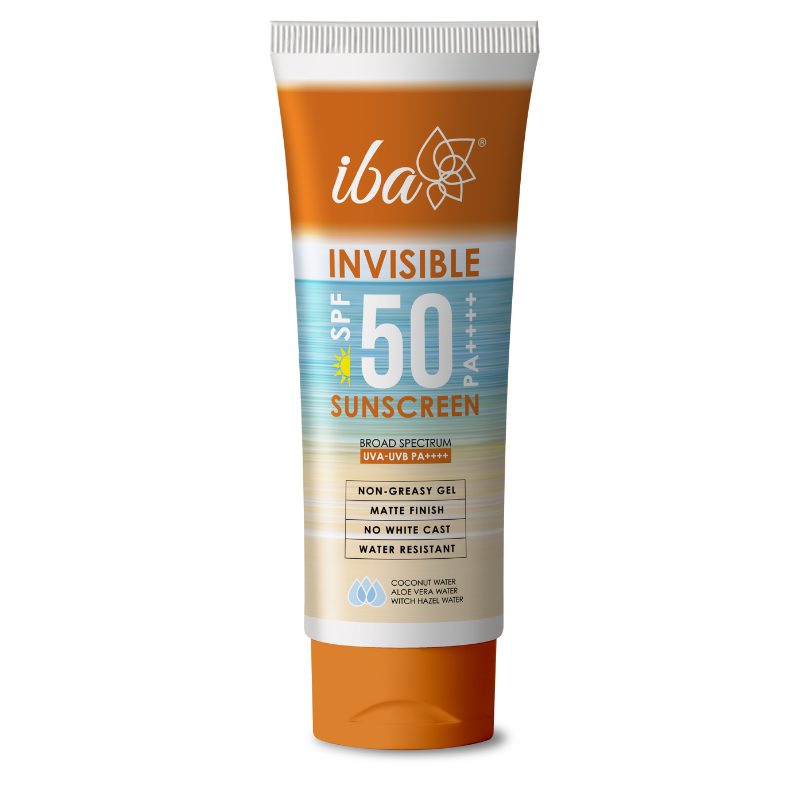
A gel-based or serum-based sunscreen absorbs fast and sits light. An invisible sunscreen with a clear, non-greasy finish may feel comfortable on oily teenage skin without blocking pores. Non-comedogenic on the label means the formula has been tested to avoid clogging.
No White Cast
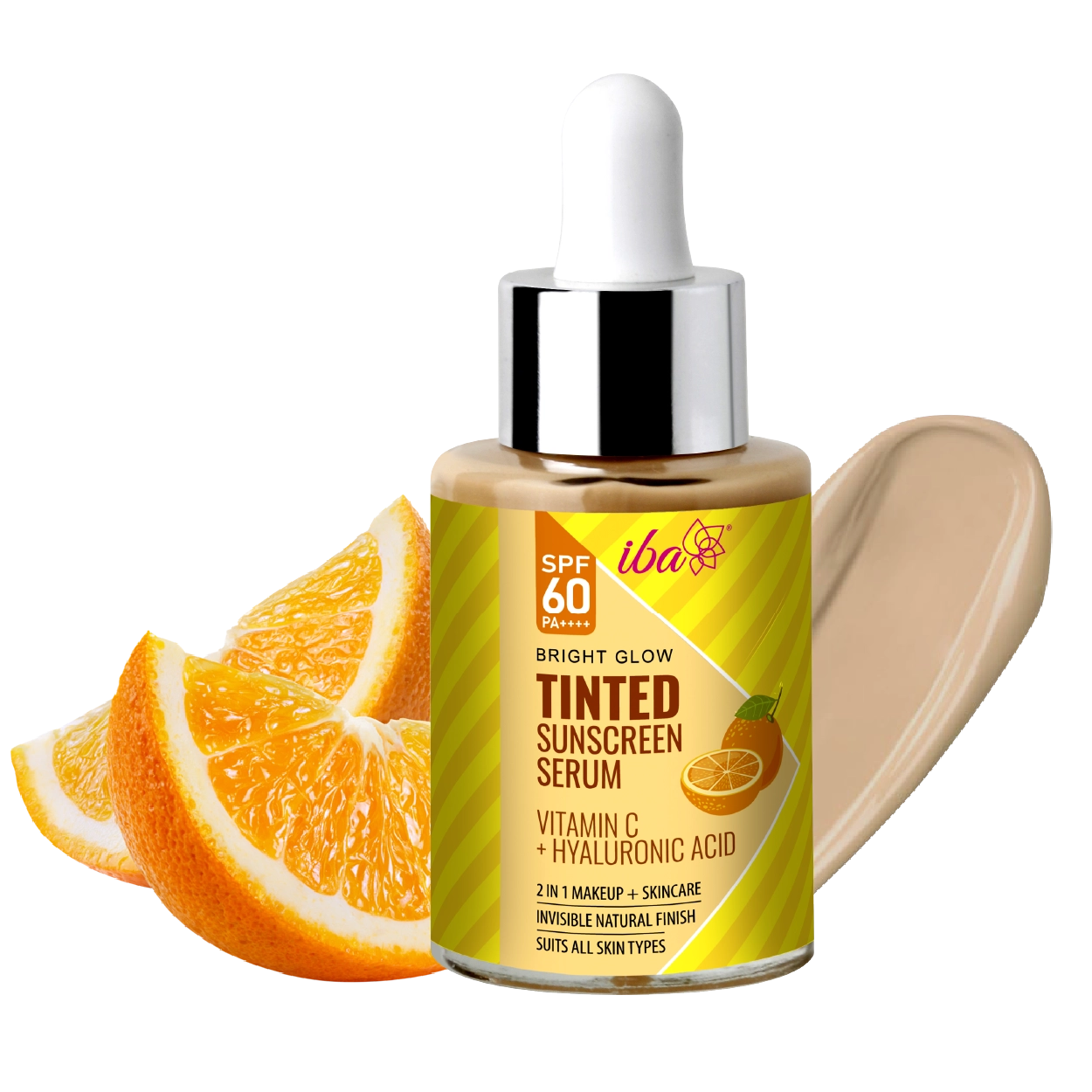
A white or grey cast is the top reason teenagers stop wearing sunscreen. Chemical sunscreens absorb into the skin without leaving visible residue and tend to work better on Indian skin tones. A tinted sunscreen serum may also skip the white cast entirely while adding a hint of colour correction.
SPF 30 or Higher with a PA Rating
SPF 30 blocks about 97 per cent of UVB rays when applied correctly. SPF 50 sunscreen gives an added margin for the amount most people actually use. A PA+++ or PA++++ rating means the product also protects against UVA, which is what causes tanning and dark spots on Indian skin. Both numbers matter.
Sunscreen for Teens with Acne
Acne-prone teenage skin reacts badly to heavy, oily, or fragranced products. Sunscreen for teens with acne should be oil-free, fragrance-free, and non-comedogenic. Gel and fluid textures work better than creams on skin that already produces excess sebum.
Skipping sunscreen because of acne may actually make things worse. UV exposure may darken post-acne marks and slow healing. Wearing a lightweight SPF over a gentle moisturiser may protect healing skin without adding to the breakout cycle. Pairing sunscreen with a gentle face wash and products from the anti-acne range may keep the routine simple and skin-friendly.
A Simple Morning Routine for Teens
A four-step morning routine may cover everything a teenager's skin needs without feeling like a chore.
- Wash with a gentle, pH-balanced face wash to clear overnight oil.
- Apply a lightweight moisturiser, even on oily skin, to keep the barrier healthy.
- Apply two finger-lengths of sunscreen as the last skincare step. Wait a minute, then head out.
The whole process takes under five minutes. Sticking with products from the skincare range that are formulated for younger, sensitive skin may reduce the trial-and-error that often puts teens off skincare routines.
Start the Habit Early
Sunscreen for teenagers is not about perfecting a routine. A lightweight formula, a quick morning application, and a product that does not feel heavy or look chalky may be all it takes to build a habit that protects the skin for years. The right sunscreen for teenage skin should feel invisible, stay comfortable, and fit naturally into the morning before school or college.
Good sun protection paired with a simple, gentle routine may keep teenage skin clear, even, and healthy through the years when it changes the most. For the latest deals on sunscreen and skincare, visit the Iba Cosmetics Coupon Codes Page.
FAQs
What age should you start using sunscreen?
Daily sunscreen use is a good habit to start by age 13 to 15, when outdoor activity increases and skin becomes more independent of parental routines. Earlier use is safe and beneficial.
Can sunscreen make teenage acne worse?
Only if the formula is heavy, oily, or comedogenic. A lightweight, oil-free, non-comedogenic sunscreen may protect acne-prone skin without triggering new breakouts or clogging pores.
What SPF is best for teenagers in India?
SPF 30 with PA+++ is a solid daily standard. SPF 50 with PA++++ may be better for extended outdoor time, sports, or days with high UV exposure in Indian cities.
Should teenagers use chemical or mineral sunscreen?
Both are safe. Chemical sunscreens absorb into the skin and leave no white cast, which may improve daily compliance. Mineral sunscreens with zinc oxide are gentler but may leave a cast on darker skin tones.
Do teenagers need to reapply sunscreen at school?
For a standard indoor school day, a generous morning application is usually enough. Reapply after sports, PE class, or any activity that causes heavy sweating or water exposure.
Can teenagers use the same sunscreen as adults?
Yes, as long as the formula is lightweight, non-comedogenic, and not too rich or fragranced. The active UV filters are the same; the difference is in texture and added ingredients.