
Achieving salon-quality skin doesn't require expensive treatments or frequent spa visits. The secret lies in mastering the art of exfoliating your face at home effectively and safely. If you know how to exfoliate properly, you can seriously upgrade your skin, think brighter, smoother, and way more professional-looking, all without booking a pricey facial. Just the right technique and products, and you’ll notice the difference every time you look in the mirror. That’s a solid return on a pretty small investment, honestly.
Experts have made it clear for ages: regular, gentle exfoliation is non-negotiable if you want healthy, well-maintained skin. It’s not about harsh scrubbing or fancy gimmicks; just consistent, smart care keeps your complexion on point. This comprehensive guide will walk you through everything you need to know about how to exfoliate skin at home, from choosing the right methods to avoiding common pitfalls that can damage your skin.
Understanding Exfoliation: The Foundation of Smooth Skin
Exfoliation, in straightforward terms, is how you shed those dead skin cells that tend to overstay their welcome. Under normal circumstances, your skin handles this process itself every 28 days or so, give or take. But as you get older, or if you’re dealing with things like stress, smog, or just a hectic lifestyle, this process slows down.
The end result? Dead skin starts to build up. That’s when your complexion loses its brightness, feels a bit rough, and, frankly, all those expensive creams and serums you’re using? They’re just sitting on top, not really doing their job. In short, regular exfoliation isn’t just a luxury add-on in your skincare routine; it’s a practical step to keep your skin looking fresh and to actually get your money’s worth out of your products.
There are two primary approaches when you exfoliate your face at home: physical (mechanical) and chemical methods. Physical exfoliation uses granular substances or tools to manually remove dead cells, while chemical exfoliation employs acids or enzymes to dissolve the bonds holding dead cells together.
Physical vs Chemical Exfoliation
Understanding the difference between these methods is crucial for choosing the right approach for your skin:
|
Physical Exfoliation |
Chemical Exfoliation |
|
Uses scrubs, brushes, or cloths |
Uses acids (AHA, BHA) or enzymes |
|
Immediate visible results |
Gradual, deeper results |
|
Better for oily, thick skin |
Suitable for sensitive skin |
|
Risk of over-scrubbing |
More controlled application |
|
Works on surface level |
Penetrates deeper layers |
Types of Exfoliation Methods for Smooth Skin
Physical Exfoliation Options
Physical exfoliation delivers immediate, noticeable results; you can actually see and feel the dead skin cells coming off. It’s a straightforward approach to skincare.
Typical physical exfoliants include:
- Granular scrubs with ingredients like walnut shells, sugar, or salt
- Facial brushes with soft bristles for gentle buffing
- Exfoliating cloths made from textured materials
- Natural options like oatmeal or rice bran
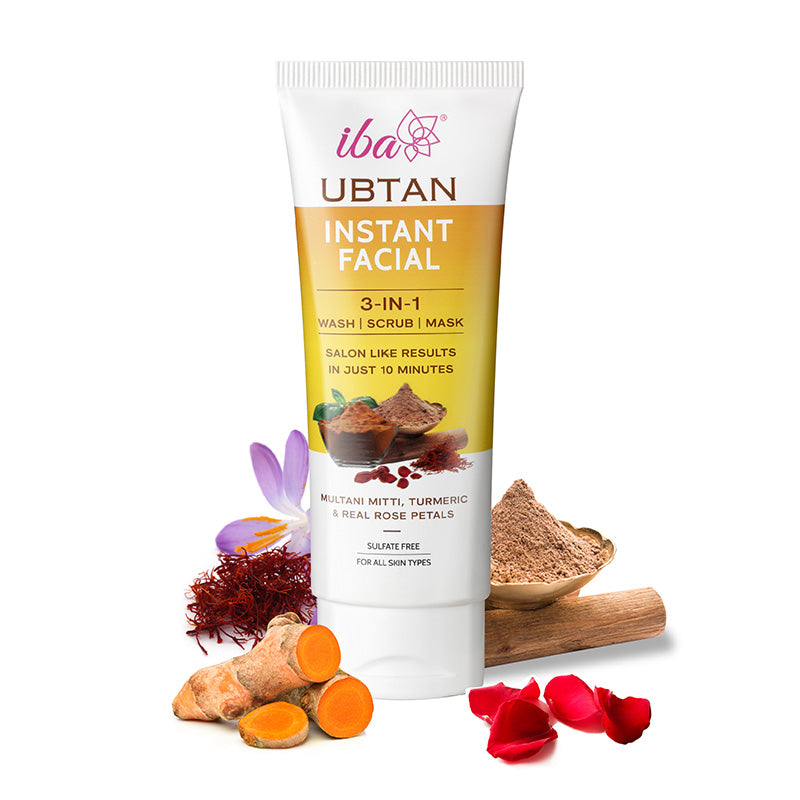
The Iba Ubtan Instant Facial 3-in-1 Wash-Scrub-Mask offers an excellent example of effective physical exfoliation. This multi-purpose product contains real rose petals for smoothness, Multani Mitti for deep cleansing, and walnut scrub particles that gently remove dead skin while unclogging pores.
Chemical Exfoliation Alternatives
Chemical exfoliation works more gently but effectively:
- Alpha Hydroxy Acids (AHAs) like glycolic and lactic acid
- Beta Hydroxy Acids (BHAs) such as salicylic acid
- Fruit enzymes from papaya, pineapple, or pumpkin
- Traditional ingredients like turmeric and saffron
Benefits of Regular Exfoliation for Smooth Skin
When you consistently exfoliate your face at home, you unlock multiple skin benefits:
Immediate Benefits:
- Removes dead skin buildup
- Unclogs pores and prevents blackheads
- Creates smoother skin texture
- Improves product absorption
Long-term Benefits:
- Reduces the appearance of fine lines
- Evens out skin tone and reduces dark spots
- Minimizes pore appearance
- Stimulates cell turnover for younger-looking skin
Consistently following an exfoliation routine can lead to noticeable results. Typically, people see a 40 to 60 percent improvement in skin texture after just four to six weeks. It’s a straightforward investment in healthier-looking skin that pays off pretty quickly.
Choosing the Right Exfoliant for Smooth Skin by Skin Type
Oily and Acne-Prone Skin
Oily skin can handle more frequent exfoliation and stronger methods:
- Frequency: 2-3 times per week
- Best methods: BHA-based products or gentle physical scrubs
- Ingredients to look for: Salicylic acid, clay, tea tree oil
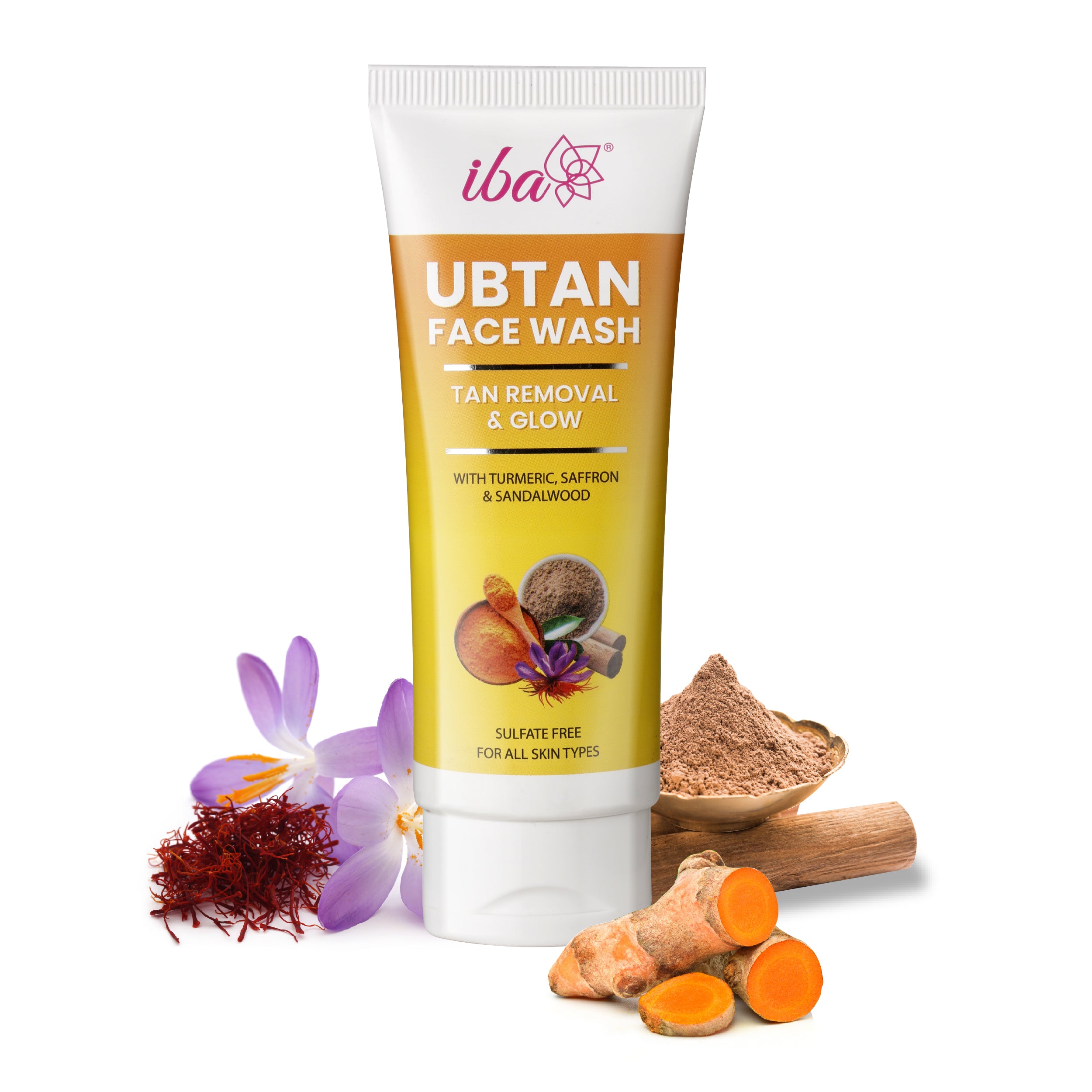
The Iba Ubtan Face Wash works wonderfully for oily skin types, combining turmeric, saffron, and sandalwood to deep cleanse while controlling excess oil production and preventing environmental damage.
Dry or Sensitive Skin
Sensitive skin requires gentler approaches:
- Frequency: 1-2 times per week
- Best methods: Enzyme-based or very mild physical exfoliants
- Ingredients to avoid: Harsh scrubs, high-concentration acids
Combination Skin
Mixed skin types need targeted approaches:
- T-zone: Can handle stronger exfoliation
- Cheek areas: Require gentler treatment
- Strategy: Use different products for different areas
Mature Skin
Aging skin benefits from gentle but consistent exfoliation:
- Focus: Anti-aging ingredients combined with mild exfoliation
- Frequency: 1-2 times per week
- Goal: Stimulate cell turnover without irritation
Step-by-Step Guide: How to Exfoliate Face at Home for Smooth Skin
Step 1: Preparation Phase
Begin by ensuring your hands are thoroughly washed; cleanliness is crucial. Carefully remove any makeup to prevent residue buildup. Next, use a gentle cleanser to wash your face, eliminating surface dirt and excess oil without irritating the skin.
Step 2: Choose Your Method
Choose your exfoliation method based on your skin’s current needs. If your skin is sensitive or easily irritated, opt for a chemical exfoliant like AHAs or BHAs; they’re typically gentler. For those with resilient or less reactive skin, a mild physical scrub can work well. The key is to assess your skin’s condition and avoid over-exfoliating, as that can lead to redness or discomfort.
Step 3: Application Technique
For Physical Exfoliants:
- Apply a small amount to damp skin
- Massage in circular motions for 30-60 seconds
- Focus on areas with dead skin buildup
- Avoid the delicate eye area
For Chemical Exfoliants:
- Apply to clean, dry skin
- Allow the product to sit for the recommended time
- Do not rinse immediately unless instructed
Step 4: Rinse and Pat Dry
Rinse thoroughly with lukewarm water; avoid using hot water, as it can irritate the skin. Gently pat your face dry with a clean towel; do not rub, as this may cause unnecessary friction.
Step 5: Follow-up Care
Proceed by applying a gentle toner to balance your skin. Follow up with a suitable moisturizer to maintain hydration. If you’ve used any chemical exfoliants, ensure you apply sunscreen the next day. Sun protection is essential to safeguard your skin’s health and appearance.
Frequency Guidelines: How Often to Exfoliate for Smooth Skin
|
Skin Type |
Physical Exfoliation |
Chemical Exfoliation |
|
Oily |
2-3 times/week |
2-3 times/week |
|
Normal |
1-2 times/week |
1-2 times/week |
|
Dry |
1 time/week |
1 time/week |
|
Sensitive |
1 time/week |
1 time/2 weeks |
|
Mature |
1-2 times/week |
1-2 times/week |
Common Mistakes When You Exfoliate for Smooth Skin
Over-Exfoliation Warning Signs
- Persistent redness or irritation
- Increased sensitivity to products
- Dry, flaky patches
- Burning sensation during application
Pressure and Technique Errors
A lot of people tend to be overly aggressive when using physical exfoliants, almost like they’re trying to refinish furniture. In reality, a gentle, steady touch is the smart approach. Consistency matters more than force. Let the exfoliant do its job; there’s no need to overdo it with pressure.
Timing Mistakes
Avoid exfoliating:
- Immediately before sun exposure
- On broken or irritated skin
- Right before important events (in case of reactions)
- When trying new products simultaneously
Natural DIY Methods to Exfoliate Face at Home for Smooth Skin
How to Remove Dead Skin from Face Naturally at Home
Oatmeal and Yogurt Gentle Scrub:
- 2 tablespoons ground oatmeal
- 1 tablespoon plain yogurt
- 1 teaspoon honey
- Mix and apply in circular motions, rinse after 2-3 minutes
Sugar and Honey Brightening Scrub:
- 1 tablespoon fine sugar
- 1 tablespoon raw honey
- Mix until dissolved, massage gently for 1 minute
Papaya Enzyme Mask:
- 1/4 cup mashed ripe papaya
- 1 tablespoon yogurt
- Apply for 10-15 minutes, rinse with cool water
Safety Precautions for DIY Methods
Before applying any homemade scrub to your face, it’s smart to test a small amount on your inner wrist first. Just because something’s labeled “natural” doesn’t guarantee it’ll be gentle on your skin. Certain ingredients could trigger unexpected reactions, and that’s the last thing you want in a professional setting. Better safe than sorry.
Expert Tips for Professional Results When You Exfoliate for Smooth Skin
Advanced Techniques
The Two-Step Method:
- Start with gentle chemical exfoliation
- Follow with very light physical exfoliation after 24 hours
- This approach maximizes dead skin removal while minimizing irritation
Seasonal Adjustments:
- Summer: Reduce frequency due to increased sun exposure
- Winter: May need more frequent exfoliation due to dry air
- Monsoon: Focus on anti-fungal ingredients
Product Layering Strategy
When incorporating exfoliation into your routine, consider products that offer multiple benefits. The Iba Must Have Dream Glow Sleeping Mask, while primarily a hydrating treatment, contains gentle exfoliating properties that work overnight to refine skin texture while you sleep.
Professional-Level Results
Weekly Skin Assessment:
- Check for changes in texture
- Monitor any sensitivity or reactions
- Adjust frequency based on skin response
- Take photos to track long-term progress
Combining with Other Treatments:
- Use hydrating masks after exfoliation
- Apply vitamin C serums on non-exfoliation days
- Maintain a consistent moisturizing routine
Final Thoughts
Mastering how to exfoliate skin at home requires patience, consistency, and attention to your skin's unique needs. Start slowly, observe how your skin responds, and adjust your routine accordingly. Remember that achieving smooth, radiant skin is a marathon, not a sprint.
Success in skincare boils down to selecting products tailored to your specific skin type and, just as importantly, sticking to a routine. Whether you’re interested in natural, DIY options or brands such as Iba, the real differentiator is regular, gentle care. Consistency is key; cutting corners rarely pays off. Choose wisely, commit to your regimen, and results will follow.
Ready to start your journey to smoother, more radiant skin? Check out exclusive offers and product bundles designed to support your skincare goals at the Iba Cosmetics offers page.
Achieving healthy, radiant skin isn’t about luck. It’s about having a smart, consistent approach. With the right products and a steady routine, you can get professional-level results without ever leaving your home.
Bottom line: great skin is a reflection of the care you invest. Make exfoliation part of your weekly regimen and you’ll notice the transformation: smoother, more vibrant skin that speaks for itself. Consistency isn’t just a buzzword here; it’s the foundation of results.
Key Takeaways
- Start with once-weekly exfoliation and gradually increase frequency based on your skin's tolerance.
- Always apply gentle, circular pressure when using physical scrubs. Let the product do the work, not your hands.
- Oily skin can handle 2-3 weekly sessions, while sensitive skin should limit to once per week maximum.
- Never exfoliate on broken, irritated skin or immediately before sun exposure.
- Chemical exfoliation penetrates deeper with less irritation risk, while physical exfoliation provides immediate visible results.
- Consistency beats intensity. Gentle, regular exfoliation trumps aggressive, occasional treatments.
Frequently Asked Questions
Q. What are the best natural ingredients to use for exfoliating your face at home?
The most effective natural exfoliating ingredients include oatmeal (gentle physical exfoliation), papaya enzymes (chemical exfoliation), sugar (physical), rice bran, turmeric (anti-inflammatory), and yogurt (contains lactic acid). Traditional ingredients like those found in ubtan formulations - turmeric, sandalwood, and saffron. Provide gentle exfoliation while offering additional skin benefits.
Q. How often should I exfoliate my face for smooth and radiant skin?
Exfoliation frequency depends on your skin type. Oily skin can handle 2-3 times per week, normal skin should exfoliate face at home 1-2 times weekly, while sensitive or dry skin should limit exfoliation to once per week. Start with less frequent exfoliation and gradually increase if your skin tolerates it well.
Q. What is the difference between physical and chemical exfoliation, and which is better for home use?
Physical exfoliation uses granular substances or tools to manually remove dead skin cells, providing immediate visible results. Chemical exfoliation uses acids or enzymes to dissolve dead cell bonds, offering deeper penetration with less risk of over-scrubbing. For home use, physical exfoliation is often easier to control and provides instant gratification, making it ideal for beginners.
Q. How do I safely exfoliate sensitive skin at home without causing irritation?
For sensitive skin, choose enzyme-based exfoliants or very fine physical scrubs. Always patch test new products, start with a once-weekly application, use lukewarm water, and apply minimal pressure. Look for products with soothing ingredients like aloe vera or chamomile. If irritation occurs, discontinue use immediately and allow skin to recover completely.
Q. Can I make my own DIY face scrubs at home, and what are some easy recipes?
Yes, DIY scrubs are effective and economical. Try mixing ground oatmeal with honey for gentle exfoliation, or combine fine sugar with olive oil for normal skin. For sensitive skin, mash ripe papaya with yogurt for an enzyme-based treatment. Always use fresh ingredients and test on a small area first.
Q. What should I do immediately after exfoliating to maintain smooth skin?
After exfoliation, rinse with lukewarm water and gently pat skin dry with a clean towel. Apply an alcohol-free toner within 2-3 minutes, followed by a nourishing moisturizer while skin is still slightly damp. Avoid harsh products for 24 hours, and always apply broad-spectrum sunscreen the next day since exfoliated skin is more sensitive to UV damage. Skip active ingredients like retinol or vitamin C for at least 24 hours post-exfoliation.