
PPD is one of those ingredients most people have never heard of, but it sits inside the majority of hair dyes sold in India. Paraphenylenediamine, or PPD, is the compound that gives conventional permanent hair colour its deep, long-lasting pigment. And while it works well for colour, it is also one of the most common causes of hair dye allergy. PPD-free hair colour removes that ingredient entirely, offering a gentler option for anyone who wants to colour without the allergy risk that comes with repeated PPD exposure.
What Is PPD and Why Is It in Hair Dye
PPD is a synthetic chemical that reacts with hydrogen peroxide and other compounds inside the hair shaft to form permanent colour molecules. The process is called oxidative colouring, and it is the reason conventional dyes last for weeks.
PPD has been used in hair colours since the 1880s because no other single ingredient delivers the same deep, long-lasting colour at such a low cost. In India, PPD appears in most permanent hair dyes, many semi-permanent colours, and even some products marketed as "herbal" or "natural." Knowing what PPD is and how it works is the first step toward reading a label with confidence.
Why PPD-Free Hair Colour Matters
Hair dye allergy to PPD is more common than most people realise. PPD is classified as a sensitiser, which means the body's reaction to it may build over time. A person who colours without any issue for years may suddenly develop redness, itching, swelling, or blisters on the scalp, forehead, and neck.
The allergy is cumulative. Each exposure adds to the sensitivity, and once the threshold is crossed, the reaction may be severe. Dermatologists across Indian cities report a steady number of patients with post-dye scalp reactions, many of whom had no prior history of sensitive skin. Switching to a hair colour without PPD may reduce that cumulative risk significantly.
What PPD-Free Actually Means
A product labelled ppd free hair colour does not contain paraphenylenediamine. But PPD-free does not automatically mean allergy-free. Some brands replace PPD with PTD (paratoluenediamine), a chemically similar compound that may trigger reactions in people already sensitised to PPD.
Genuinely gentler alternatives go beyond swapping one synthetic diamine for another. Botanical and plant-based formulations use different colour mechanisms entirely, often coating the hair shaft rather than penetrating it through an oxidative chemical reaction. The hair colour range offers options formulated with natural ingredients that may suit those looking for a gentler colouring experience.
How to Check Your Hair Colour Label
Reading the back of the box takes 30 seconds and may save the scalp from an unpleasant reaction. A few things to look for may help identify whether a product is truly PPD-free.
Read the Full INCI List
Look for these names on the ingredient list: p-phenylenediamine, 1,4-diaminobenzene, 4-aminoaniline, or paraphenylenediamine. All of these are PPD. Also check for PTD (p-toluenediamine sulfate), resorcinol, and aminophenols, which are related compounds that may cause cross-reactions in PPD-sensitive individuals.
Watch for Black Henna
Pure henna from the Lawsonia plant produces a reddish-brown tone and does not contain PPD. Black henna, sold widely in India, often has PPD added to darken the colour and speed up processing. The PPD levels in some black henna products may be higher than in conventional box dyes. If the label says "black henna" but lists no ingredients, caution is warranted.
Always Patch Test Before Full Application
Even with a PPD-free hair dye India consumers trust, a patch test 48 hours before colouring is a smart habit. Apply a small amount behind the ear or on the inner arm, wait two days, and check for redness, itching, or swelling. A product that passes the patch test is far more likely to sit well on the full scalp.
Gentle Alternatives Worth Trying
For anyone looking for ppd free hair colour in India, a few options may offer colour without the sensitisation risk.
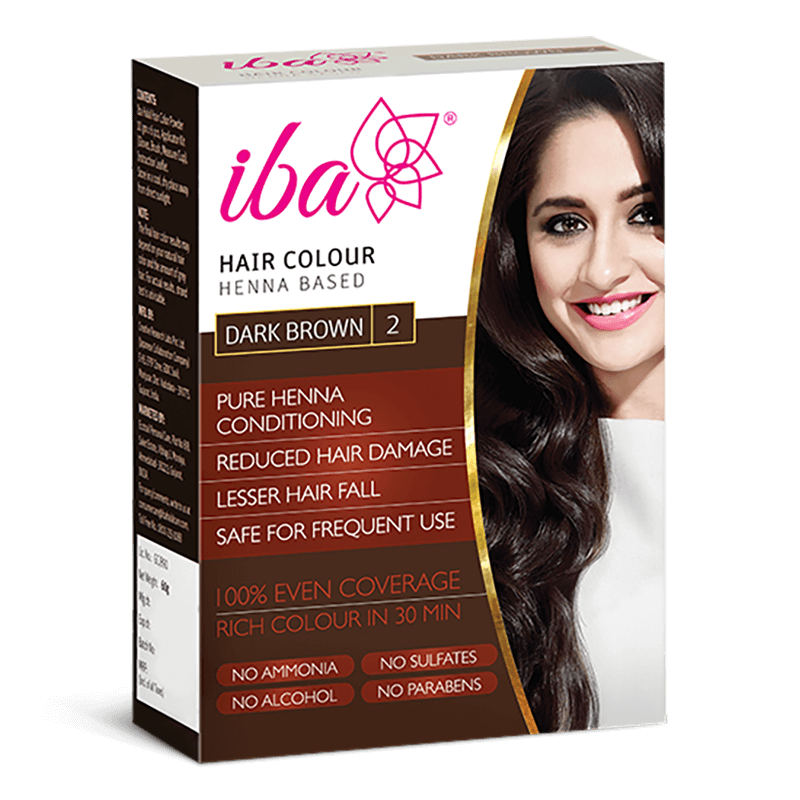
A dark brown hair colour or a natural black hair colour formulated with plant-based ingredients may deliver rich coverage for grey roots and regrowth. Botanical formulations tend to be gentler on the scalp and may suit those with a history of sensitivity.
After colouring, using a gentle shampoo and conditioner free from harsh sulphates may help the colour last longer and keep the hair soft. A weekly treatment from the hair care range may also reduce dryness that sometimes follows colouring.
Colour with Confidence, Not Compromise
PPD-free hair colour is not just a label trend. For millions of people who colour regularly, removing PPD from the routine may reduce the risk of cumulative sensitisation and scalp reactions. Reading the INCI list, watching for hidden PPD in "herbal" products, and patch testing every time are three small steps that may make a real difference.
Good colour does not need to come with a chemical trade-off. For the latest deals on hair colour and care, visit the Iba Cosmetics Coupon Codes Page.
FAQs
Is PPD banned in India?
No. PPD is permitted in hair dyes in India under cosmetic regulations, though concentration limits apply. Labelling requirements around PPD as an allergen are less strict in India than in the EU.
Can I develop a PPD allergy after years of using the same dye?
Yes. PPD sensitisation is cumulative. The immune system may build a response over many exposures before crossing a threshold. A reaction may appear suddenly even after years of using the same product.
Are all herbal or natural hair colours PPD-free?
Not always. Some products labelled "natural" or "herbal" may contain PPD alongside botanical ingredients. Black henna products often have PPD added. Checking the full ingredient list is the only reliable way to confirm.
What is the difference between PPD-free and chemical-free hair colour?
PPD-free means the product does not contain paraphenylenediamine. Chemical-free is a broader claim that may or may not be accurate depending on the full formulation. A product can be PPD-free and still contain other synthetic ingredients.
How do I know if a hair colour without PPD will cover my greys?
Botanical and plant-based hair colours may cover greys effectively, though the result may look slightly different from a conventional dye. A strand test before full application may help preview the final shade and coverage.
Should I patch test even with PPD-free hair colour?
Yes, always. Even gentle, plant-based formulations may not suit every skin type. A patch test 48 hours before full application is recommended with any hair colour, regardless of the ingredient list.