
Key Takeaways
- Opposite colors on the color wheel neutralize each other. Use peach for dark circles and green for redness.
- Apply color corrector before foundation and concealer for maximum effectiveness and natural coverage.
- Start with minimal product amounts and build gradually to avoid a mask-like appearance.
- Focus on your primary skin concern first rather than trying to correct everything at once.
- Blend thoroughly using patting motions with fingers or a damp sponge for seamless results.
- Practice makes perfect. Beginner color correction makeup techniques improve with consistent application.
Getting started with makeup can feel overwhelming, especially when dealing with stubborn skin concerns like dark circles, redness, or blemishes. Color correction makeup offers a simple yet effective solution that transforms your complexion before you even apply foundation. This beginner color correction makeup guide will walk you through everything you need to know about using color correctors to address common skin issues naturally and effectively.
Understanding what is a color corrector and how it works is the first step toward achieving a smooth, even-toned base for your makeup routine. Whether you're dealing with under-eye darkness or facial redness, the right colour corrector guide can help you tackle these concerns with confidence.
Understanding Color Theory for Makeup Correction
Color correction makeup relies on basic color theory principles that work by neutralizing unwanted tones on your skin. The concept is straightforward: opposite colors on the color wheel cancel each other out when applied together.
The Color Wheel Basics
The color wheel serves as your roadmap for how to use the color corrector effectively. Here's how complementary colors work together:
|
Skin Concern |
Color Corrector |
What It Neutralizes |
|
Dark circles (blue/purple) |
Peach/Orange |
Cool undertones under the eyes |
|
Redness/Acne |
Green |
Red inflammation |
|
Yellow/Sallow skin |
Purple/Lavender |
Dullness and yellow tones |
|
Dark spots |
Pink/Peach |
Hyperpigmentation |
|
Dullness |
Yellow |
Creates warmth and glow |
Common Skin Discolorations
Before diving into how to apply a color corrector, identify your specific concerns:
Dark Circles: The most common issue beginners face, especially prominent in Indian skin tones, where genetic factors play a significant role.
Facial Redness: Often appears around the nose, cheeks, and chin areas due to sensitivity or environmental factors.
Dullness: Creates an uneven skin tone that lacks natural radiance, particularly noticeable in photographs.
Post-Acne Marks: Dark spots that remain after breakouts heal, requiring targeted correction.
Types of Color Corrector Products
Understanding different color corrector palette guide options helps you choose products that work best for your skin type and concerns.
Cream vs. Liquid Formulas
Cream Correctors: Provide better coverage for intense discoloration but require more blending skill. They work exceptionally well under the eyes, where coverage needs are higher.
Liquid Correctors: Offer lighter coverage with easier blending, making them perfect for beginners learning how to use colour corrector on the face.
Choosing Quality Color Correctors
When selecting products, prioritize formulas that nourish while correcting. Look for correctors infused with beneficial ingredients like Argan Oil and Jojoba Extracts, which provide hydration alongside coverage. Products that are paraben-free and alcohol-free work better for sensitive skin types common in Indian complexions.
Step-by-Step Application Guide
Learning how to apply a color corrector properly makes the difference between natural-looking coverage and obvious makeup. Follow this systematic approach for best results.
Essential Tools and Preparation
Tools Needed:
- Small, dense brush or beauty sponge
- Mirror with good lighting
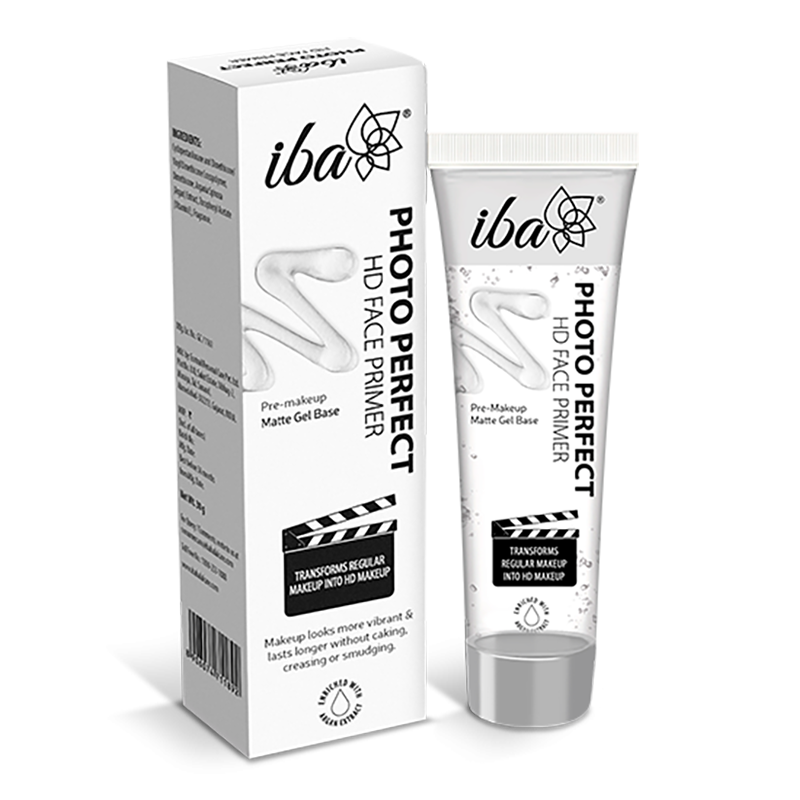
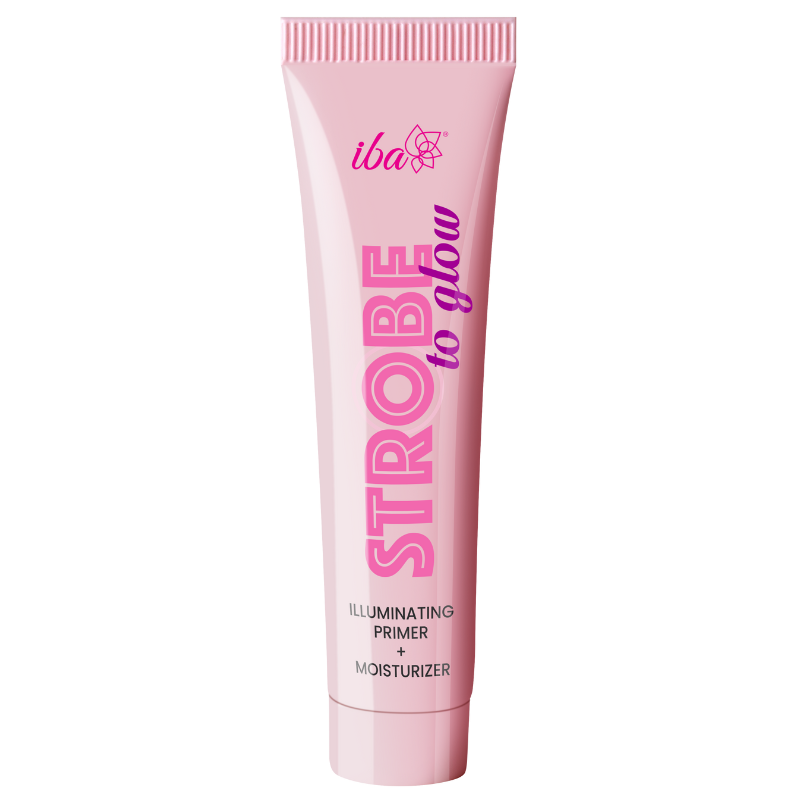
- Primer
Skin Preparation:
- Start with clean, moisturized skin
- Apply a lightweight primer
- Ensure your space has adequate lighting
Application Technique for Beginners
Step 1: Apply color corrector sparingly to targeted areas only. Remember, a little product goes a long way with quality formulas.
Step 2: Gently pat the corrector using your ring finger or a damp beauty sponge. Avoid rubbing, which can lift the product.
Step 3: Blend outward from the center of the discoloration, feathering edges for seamless integration.
Step 4: Allow the corrector to set for 30-60 seconds before applying concealer or foundation.
Specific Techniques for Different Areas
For Under-Eye Circles: Use peach or orange tones in a triangular shape under the eye, extending from the inner corner to the outer edge. This colour corrector guide for indian skin technique works particularly well for deeper skin tones.
For Facial Redness: Apply green corrector sparingly to red areas, focusing on the center of blemishes or rosacea-prone zones.
For Overall Dullness: Use purple or lavender corrector on areas that appear sallow, typically around the mouth and sides of the nose.
Common Color Corrector Mistakes and How to Avoid Them
Even with the best color correcting color guide, beginners often make these preventable errors:
Over-Application Issues
Using too much product creates a mask-like appearance and can actually make discoloration more noticeable. Start with minimal amounts and build gradually.
Wrong Color Selection
How to choose a color corrector for dark circles depends on your specific undertones. Cool-toned dark circles need warm correctors (peach/orange), while warm-toned circles benefit from cooler correctors.
Blending Problems
Inadequate blending leaves harsh lines and unnatural patches. Take time to blend thoroughly, working in thin layers for natural results.
Professional Color Correction Tips for Natural Results
These expert techniques will help you master beginner color correction makeup guide principles:
Testing and Color Matching
Always test correctors on your jawline in natural light before purchasing. What looks right in store lighting may appear different on your actual skin tone.
Layering Strategy
Apply corrector before concealer and foundation, not after. This color corrector guide layering ensures maximum effectiveness and prevents products from lifting off each other.
Setting Techniques
Lightly dust translucent powder over corrected areas before applying foundation to prevent movement and increase longevity.
Building Your Color Correction Routine
Creating a sustainable routine starts with understanding your daily needs and selecting appropriate products.
Daily vs. Special Occasion Application
For everyday wear, focus on correcting your primary concern (usually under-eye circles). Save full-face color correction for special events or photography.
Product Recommendations
Consider starting with multi-purpose products that address several concerns. High-quality options like waterproof concealers with color-correcting properties can serve double duty in your routine. Look for formulas that are ultra-pigmented yet offer a silky matte finish, providing both coverage and a natural appearance.
For those dealing with persistent dark circles or blemishes, investing in a waterproof formula ensures your correction stays in place throughout long days. Products infused with nourishing ingredients like Vitamin E provide skincare benefits while delivering makeup coverage.
Advanced Color Correction Techniques and Troubleshooting
Once you've mastered basic application, these advanced tips will refine your color correction makeup skills:
Color Mixing for Custom Solutions
Sometimes standard corrector shades don't perfectly match your needs. Mix small amounts of different colors to create custom solutions for your unique skin concerns.
Seasonal Adjustments
Your corrector needs may change with seasons. Summer often requires more green correction for heat-related redness, while winter may need additional peach tones for dullness caused by reduced sun exposure.
Final Thoughts
Mastering color correction makeup takes practice, but the results are worth the effort. Start with addressing one primary concern, then gradually incorporate additional techniques as your confidence grows. Remember that the goal isn't perfection; it's about creating a smooth, even base that makes you feel confident and comfortable.
Quality products make a significant difference in your results and overall experience. Look for formulas that combine effective coverage with skin-loving ingredients, ensuring your makeup routine supports your skin's health while addressing cosmetic concerns.
Ready to start your makeup journey? Take advantage of current offers and discounts on professional-quality halal products at the Iba Cosmetics offers page to build your perfect makeup kit without breaking your budget.
Frequently Asked Questions
Q. What are the best colour correctors for beginners to use?
Start with peach or orange correctors for dark circles and green for redness. These address the most common concerns and are forgiving for beginners learning proper application techniques.
Q. How do I know which colour corrector to use for my skin concerns?
Identify your primary skin issues first. Dark, bluish circles need warm correctors (peach/orange), red blemishes require green, and overall dullness benefits from purple or lavender tones.
Q. Can I apply a colour corrector without foundation?
Yes, you can use the corrector alone for minimal makeup days. Apply sparingly and blend thoroughly for a natural finish. Set with powder to prevent transfer.
Q. What is the correct order of applying colour corrector, concealer, and foundation?
Apply color corrector first, then foundation, and finally concealer if additional coverage is needed. This layering ensures maximum effectiveness and prevents product interference.
Q. How do I blend the colour corrector for a natural look?
Use gentle patting motions with your ring finger or a damp beauty sponge. Work from the center of discoloration outward, feathering edges. Take time to blend thoroughly for seamless results.
Q. How much colour corrector should I apply for best results?
Start with a tiny amount, about the size of a grain of rice, for under-eye correction or a pinpoint for spot correction. Color correction makeup works best when applied in thin, buildable layers rather than one heavy application.