
Wearing sunscreen daily is one of the best habits for healthy skin, but removing it poorly can undo the good work entirely. Leftover sunscreen residue sitting on the face overnight mixes with sweat, oil, and dirt, creating conditions that lead to clogged pores, blackheads, and breakouts.
Most people underestimate how much effort sunscreen removal requires. A quick rinse or a single pass of face wash is rarely enough, especially with water-resistant formulas designed to cling to skin. Learning how to remove sunscreen from the face the right way is just as important as applying it.
Does Sunscreen Clog Pores?
One of the most common skincare concerns around SPF is whether sunscreen itself causes breakouts. The answer is more nuanced than a simple yes or no.
Non-comedogenic and gel-based formulas like a lightweight gel sunscreen are designed to sit on skin without blocking pores during wear. The problem starts when sunscreen is left on too long. UV filters, silicones, and film-forming agents create a barrier that is essential during the day. Left overnight, that barrier traps sebum and bacteria, which may lead to congestion.
So, does sunscreen clog pores? Not during wear, if the formula suits the skin type. After wear, yes, if not removed thoroughly.
Why a Regular Face Wash Is Often Not Enough
A standard water-based face wash removes water-soluble impurities like sweat and surface dirt. Sunscreen, however, contains oil-soluble ingredients, including chemical UV filters and silicones, that do not dissolve in water alone.
Washing with just a foaming face wash may remove the top layer but leave a thin film of sunscreen behind. Over weeks, this buildup may contribute to dullness, texture, and recurring pimples along the jawline, forehead, and nose. A proper sunscreen removal routine requires two steps.
How to Remove Sunscreen from Face: The Double Cleansing Method
Double cleansing is the most effective way to remove sunscreen without over-stripping or irritating the skin. The process uses two different types of cleansers in sequence, each targeting a different kind of residue.
Step 1: Oil-Based First Cleanse
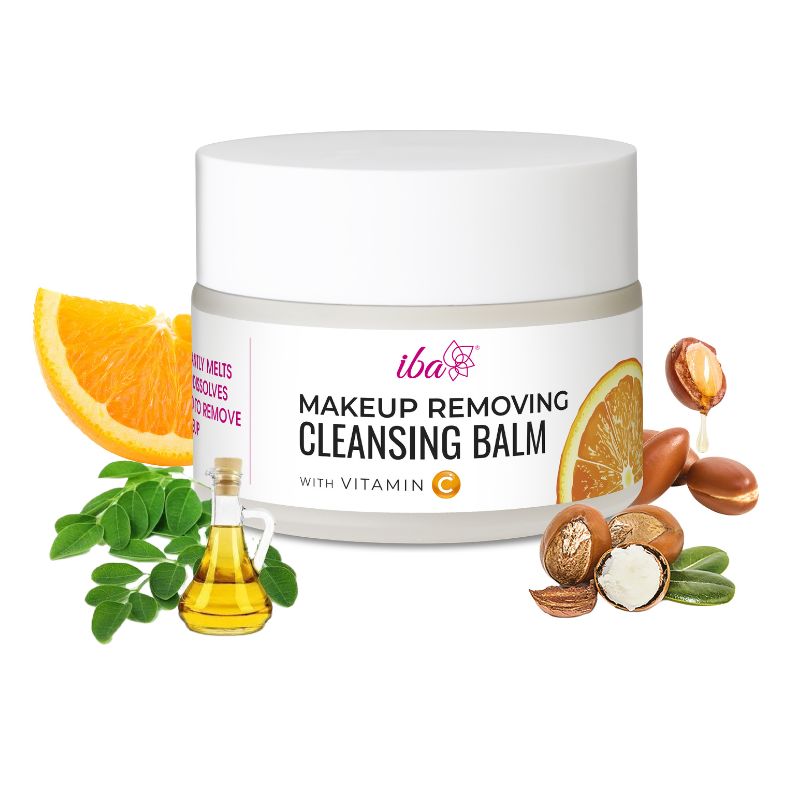
- Start with an oil-based cleanser, a cleansing balm, or a gentle makeup remover to break down the sunscreen's oily layer.
- Apply to dry skin and massage in circular motions for 30 to 60 seconds, covering the forehead, nose, cheeks, and jawline.
- Add a splash of water to emulsify, then rinse.
- For a natural alternative, pure coconut oil or olive oil massaged onto dry skin works as a first cleanse.
- Massage for a minute, then wipe off with a damp cloth or makeup remover wipes.
Natural oils dissolve sunscreen effectively but should always be followed by a water-based cleanser to prevent oily residue from lingering.
Step 2: Water-Based Second Cleanse
- Follow up with a gentle, sulfate-free face wash to sweep away any remaining traces of the oil cleanser, dissolved sunscreen, sweat, and bacteria.
- Lather with lukewarm water, massage for about 30 seconds, and rinse thoroughly.
- Pat dry with a clean towel.
The first cleanse does the heavy lifting. The second cleanse polishes the finish. Together, they ensure that no sunscreen residue remains to clog pores overnight.
Building a Sunscreen Removal Routine by Skin Type
Every skin type benefits from double cleansing, but the specific products and techniques should differ slightly.
Oily and Acne-Prone Skin
A lightweight oil cleanser or micellar water works best as the first step, followed by a gel-based face wash with salicylic acid or neem for deeper pore cleansing. Finishing with a face toner may help remove last traces while tightening pores.
Dry and Sensitive Skin
A creamy cleansing balm as the first step is gentler than a liquid oil cleanser. Follow with a hydrating, fragrance-free face wash that cleanses without stripping moisture. After washing, apply a nourishing gel moisturiser while the skin is still slightly damp to lock in hydration.
Combination Skin
A mild oil cleanser paired with a balanced, pH-friendly face wash covers both oily and dry zones without over-treating either. Focus the oil cleanse on the T-zone where sunscreen and sebum accumulate most, and keep the second cleanse gentle across the cheeks and jawline.
Mistakes That Lead to Post-Sunscreen Breakouts
A few common errors turn a simple evening routine into a pore-clogging problem:
- Relying on water alone or a single face wash is the most frequent mistake, since sunscreen resists water by design.
- Scrubbing aggressively damages the skin barrier without improving removal.
- Using very hot water strips natural moisture, which may trigger excess oil production.
- Skipping the nighttime cleanse entirely, even once, gives residue a full night to settle into pores.
A good sunscreen removal routine is thorough without being harsh. Gentle, consistent double cleansing always outperforms occasional aggressive scrubbing.
Clean Skin, Clear Pores, Better SPF Habits
How to remove sunscreen from the face properly is a skill that protects skin health just as much as applying SPF in the first place. A good sunscreen removal routine, built on double cleansing with the right products for the skin type, keeps pores clear, prevents dullness, and ensures that daily sunscreen use remains a benefit rather than a burden.
Save more on cleansers, toners, and sunscreens with the latest coupons and offers on Iba skincare essentials.
FAQs
Does sunscreen clog pores if left on overnight?
Yes, leaving sunscreen on overnight may clog pores because the film-forming agents trap sebum, dirt, and bacteria underneath. Proper removal every evening helps prevent breakouts, blackheads, and dull skin.
How to remove sunscreen from face without harsh scrubbing?
Double cleansing is the most effective and gentle method. An oil-based cleanser dissolves sunscreen's waxy layer first, and a water-based face wash removes remaining traces without requiring aggressive rubbing.
Is micellar water enough to remove sunscreen?
Micellar water works well for light, non-water-resistant sunscreens. For heavier or water-resistant formulas, following micellar water with a proper face wash gives a more thorough cleanse and reduces leftover residue.
How often should I double cleanse for sunscreen removal?
Double cleansing is recommended every evening after wearing sunscreen. In the morning, a single gentle face wash is sufficient since no sunscreen residue has accumulated overnight and skin is relatively clean.
Can I use the same face wash for sunscreen removal and regular cleansing?
A face wash can serve as the second step but not the first. Sunscreen's oil-soluble ingredients need an oil-based cleanser or balm to dissolve, which a water-based face wash cannot do.