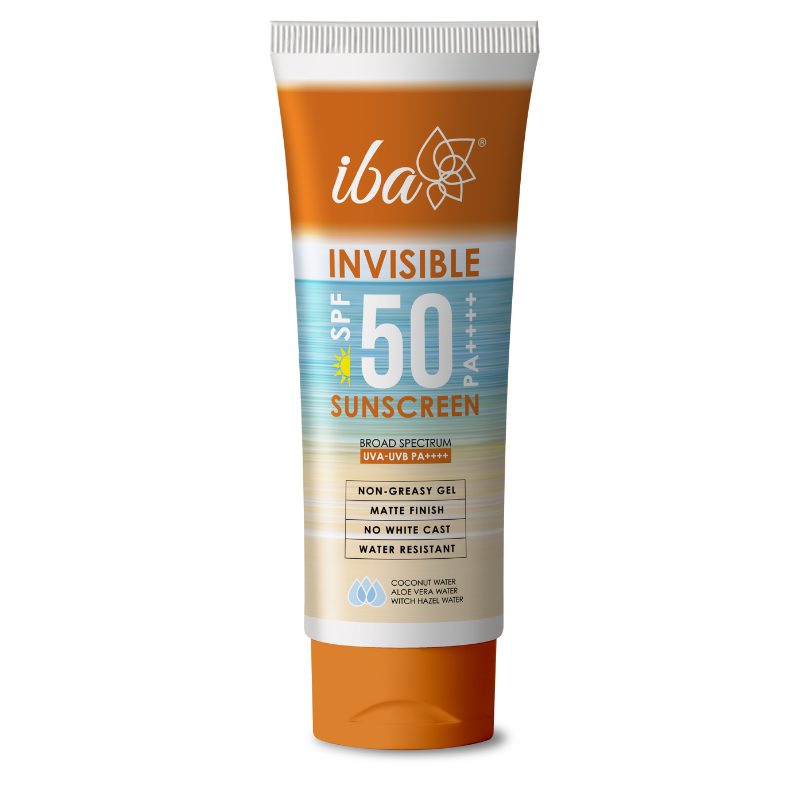

You slather on sunscreen every morning like a good skincare student. But then, a few bumps show up out of nowhere. Sounds familiar? The fear that sunscreen may cause breakouts is real, and so is the frustration. The good news? Sunscreen itself is not the enemy.
With the right formula and a few smart habits, clear and protected skin is totally possible.
Why Sunscreen May Trigger Breakouts
Can sunscreen cause acne? Not exactly. Sunscreen as a category does not cause acne on its own. But certain ingredients and heavy formulas may lead to clogged pores and fresh breakouts.
Thick, creamy sunscreens can sit on the skin like a heavy blanket. When sweat and oil get trapped underneath, pores get blocked. And blocked pores are where pimples begin.
Does sunscreen clog pores? Only when the formula contains comedogenic ingredients. Oil-based and fragrance-heavy sunscreens are common culprits behind sunscreen causing pimples.
The type of sunscreen matters far more than whether you wear one at all.
Ingredients That May Cause Pimples
Not every sunscreen formula works the same way on every skin type. Some carry ingredients that are more likely to trigger breakouts, especially on oily or acne-prone skin.
Chemical UV Filters
Ingredients like oxybenzone, avobenzone, and PABA absorb UV rays and convert them into heat. The extra warmth may increase sweating and oil production, which can lead to clogged pores over time.
Occlusive or Heavy Ingredients
Coconut oil, mineral oil, beeswax, and certain silicones create a thick layer on the skin's surface. Sweat and dirt get trapped under that layer, leading to bumps and irritation. A lightweight, non-comedogenic invisible sunscreen may work far better for breakout-prone skin.
Fragrances and Preservatives
Artificial fragrances and certain preservatives may irritate sensitive skin. That irritation can show up as redness, small bumps, or full-on acne flare-ups, especially in hot and humid weather.
Best Sunscreen Picks for Acne-Prone Skin
Picking the right sunscreen for acne-prone skin comes down to a few simple rules. Look for labels that say oil-free, non-comedogenic, and lightweight.
- Mineral sunscreens: Those with zinc oxide or titanium dioxide sit on top of the skin instead of being absorbed into it. That makes them less likely to irritate or clog pores.
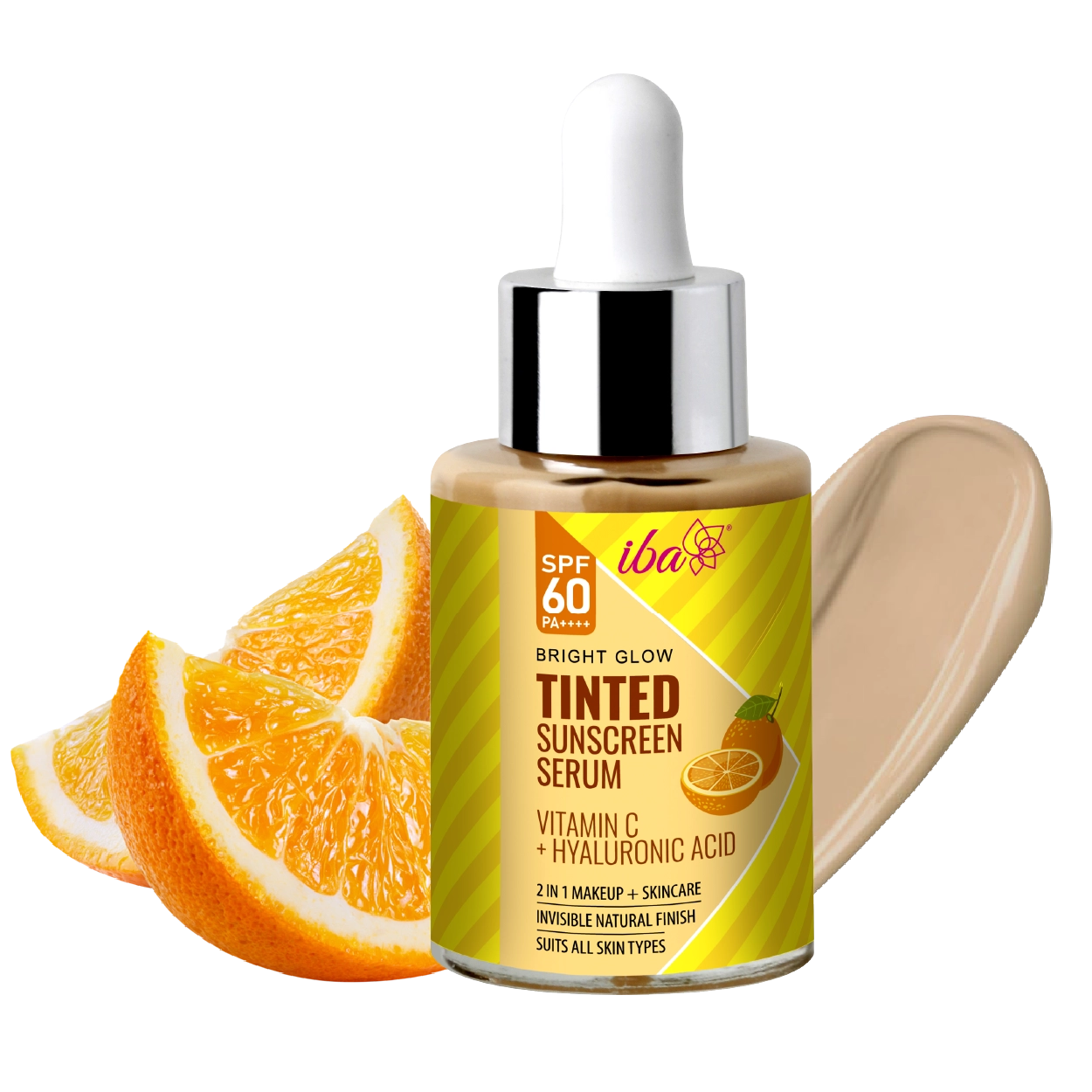
- Tinted sunscreens: A tinted sunscreen serum with SPF 60 can give solid sun protection along with a natural, even-toned glow.
Applying a niacinamide serum before sunscreen may help control oil and reduce redness throughout the day. Using a toner as a pre-sunscreen step may also calm inflammation, tighten pores, and create a smoother base.
How to Prevent Sunscreen Breakouts
Good habits make a big difference in keeping skin clear while staying protected from the sun. Here are a few steps that may help.
Cleanse Before You Apply
Always start with a clean face. Applying sunscreen over leftover oil, dirt, or makeup can trap everything underneath the formula. A gentle face wash may help remove excess sebum and prep the pores before sun protection goes on.
Double Cleanse at Night
Sunscreen builds up on the skin all day long. Removing every trace at night is just as important as applying it in the morning. A gentle oil cleanser paired with a face wash may gently clear sunscreen residue without stripping moisture from the skin.
Treat Active Breakouts Separately
If breakouts do pop up, an acne spot treatment gel with targeted ingredients may help reduce bumps without messing up the rest of your routine.
Reapply Without Layering
When reapplying sunscreen during the day, blot away sweat and oil first. Layering sunscreen on an already oily face may trigger fresh breakouts.
What Happens When You Skip Sunscreen
Skipping sunscreen to avoid breakouts may actually make things worse. UV exposure may darken post-acne marks and scars, making them harder to fade. Sun damage can also weaken the skin's natural barrier, which may lead to more oil production and more breakouts in the long run.
Acne treatments with salicylic acid or retinol may make skin extra sensitive to the sun. Going without SPF during the day can delay healing and increase irritation from those very products.
Protect Your Skin Without the Pimples
So, can sunscreens cause breakouts? Some formulas may, but the right sunscreen paired with a clean routine should not. Stick to non-comedogenic, oil-free, and lightweight options. Prep the skin before application and cleanse well at night.
Sun protection is one of the simplest ways to prevent dark spots, early signs of ageing, and uneven skin tone. With a few smart swaps, clear and protected skin can go hand in hand. For the latest deals on skincare and sun protection, visit the Iba Cosmetics Coupon Codes Page.
FAQs
Can sunscreen cause acne on oily skin?
Certain heavy, oil-based sunscreens may cause breakouts on oily skin. A lightweight, non-comedogenic, oil-free formula may help keep pores clear while still giving proper sun protection.
Does sunscreen clog pores every time?
Not always. Sunscreens with comedogenic ingredients like coconut oil or mineral oil may block pores. Choosing a non-comedogenic sunscreen labeled oil-free can help you avoid that issue.
What type of sunscreen is best for acne-prone skin?
Oil-free mineral sunscreens with zinc oxide or titanium dioxide are usually a safe pick. A lightweight sunscreen serum with high SPF may also work well for everyday use.
Should I wear sunscreen if I have active acne?
Yes, always. Skipping sunscreen may darken acne scars and slow down healing. A gentle, non-comedogenic formula applied after any acne medication may help protect skin without causing irritation.
How can I prevent sunscreen breakouts?
Cleanse the face before applying sunscreen and double cleanse at night to remove all residue. Blot away sweat before reapplying during the day. Picking a lightweight formula makes a real difference.
Can skipping sunscreen make acne scars worse?
UV rays may darken post-inflammatory marks left behind by acne. Wearing SPF 30 or higher daily may help those scars fade over time instead of getting more visible.