
Does sunscreen make your skin feel tighter instead of hydrated? Many SPF products protect against the sun but leave dry skin looking flaky or dull.
Dry skin needs more than just UV protection. A good sunscreen should hydrate, nourish, and strengthen the skin barrier at the same time. This guide explains the best sunscreen for dry skin, which ingredients to look for, and how to choose formulas that keep your skin soft while protecting it from sun damage.
Why Dry Skin Needs a Different Sunscreen
Not every sunscreen formula works for every skin type. Dry skin lacks natural oils that keep the moisture barrier intact. When you apply a sunscreen designed for oily or combination skin, the drying agents pull out whatever hydration remains.
Signs your current sunscreen isn't working:
- Skin feels tight within an hour of application
- White cast or chalky residue on the face
- Flakiness around the nose, cheeks, or forehead
- Makeup sits unevenly on top of sunscreen
- Fine lines look more visible after applying SPF
A hydrating sunscreen for dry skin should feel like a moisturizer with added sun protection, not a separate, heavy layer that sits on top.
Key Ingredients to Look for in Dry Skin Sunscreen
Choosing the right formula starts with reading the ingredient list. Certain components work better for parched, dehydrated skin.
|
Ingredient |
What It Does |
Why It Helps Dry Skin |
|
Hyaluronic Acid |
Attracts and holds moisture |
Plumps skin and reduces tightness |
|
Glycerin |
Draws water into skin layers |
Provides long-lasting hydration |
|
Squalane |
Mimics natural skin oils |
Softens without clogging pores |
|
Shea Butter |
Creates a protective barrier |
Prevents moisture loss |
|
Vitamin E |
Antioxidant protection |
Repairs and nourishes dry patches |
|
Aloe Vera |
Soothes and calms |
Reduces irritation from dryness |
|
Turmeric & Saffron |
Brightening and nourishing |
Adds glow while fighting dullness |
Avoid sunscreens with high alcohol content, strong fragrances, or mattifying powders. Products labeled "oil-free" or "for oily skin" typically work against dry skin types.
Types of Sunscreen Formulas for Dry Skin
Sunscreens come in different textures, and each works differently for dry skin.
Cream-Based Sunscreens
Cream sunscreens contain rich moisturizing ingredients that help lock hydration into the skin. Thick textures create a protective barrier that prevents moisture loss. Very dry or mature skin often benefits the most from these formulas because they double as both skincare and sun protection.

Lotion Sunscreens
Lotion sunscreens feel lighter than creams but still provide good moisture. Easy spreading and quick absorption make lotions suitable for everyday use. Many people with mildly dry skin prefer lotion formulas because they hydrate without feeling heavy.
Sunscreen Serums
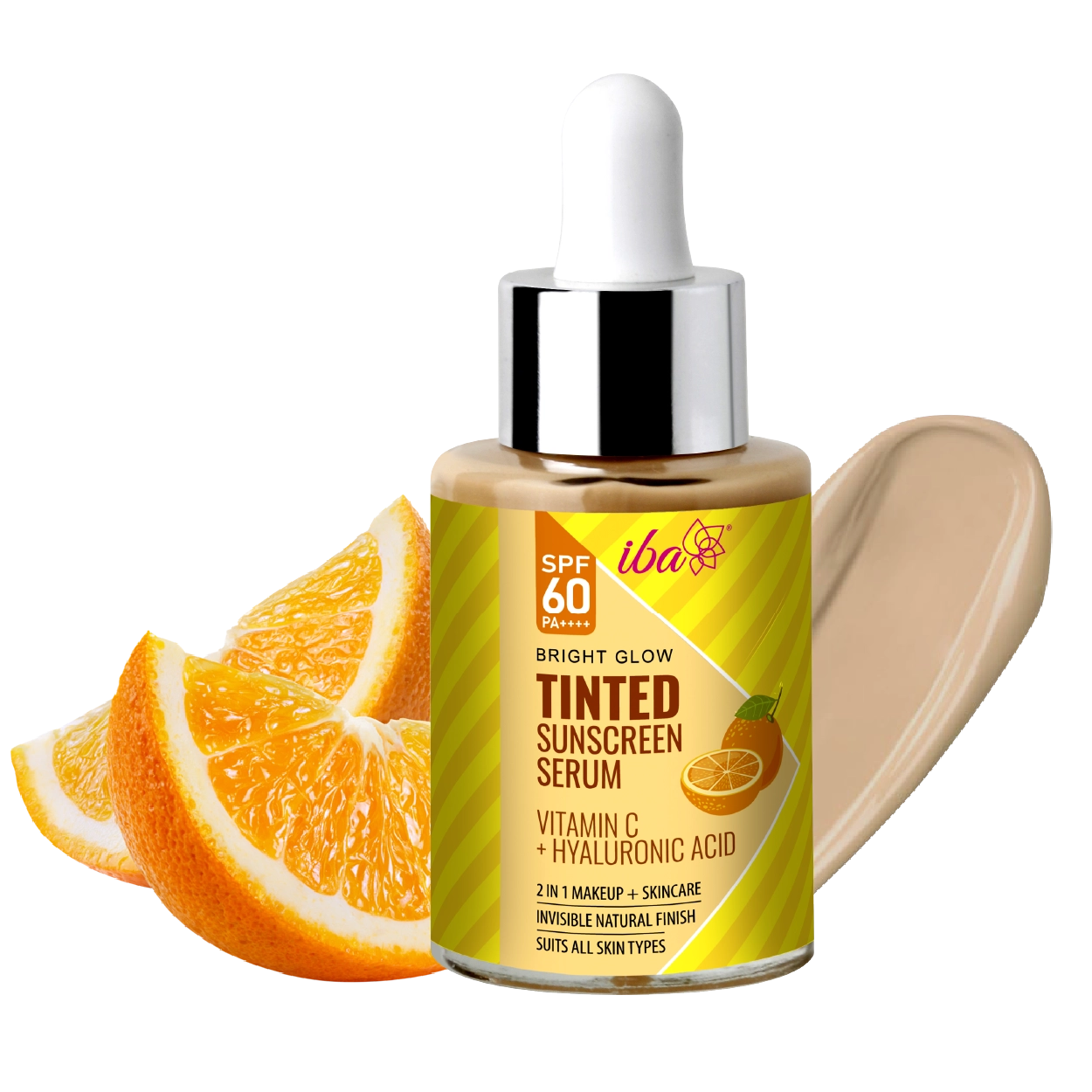
Serum sunscreens combine sun protection with ingredients like hyaluronic acid and antioxidants. Lightweight textures penetrate quickly and layer well under makeup. Pairing sunscreen serums with a hydrating face serum improves moisture retention throughout the day.

Gel Sunscreens
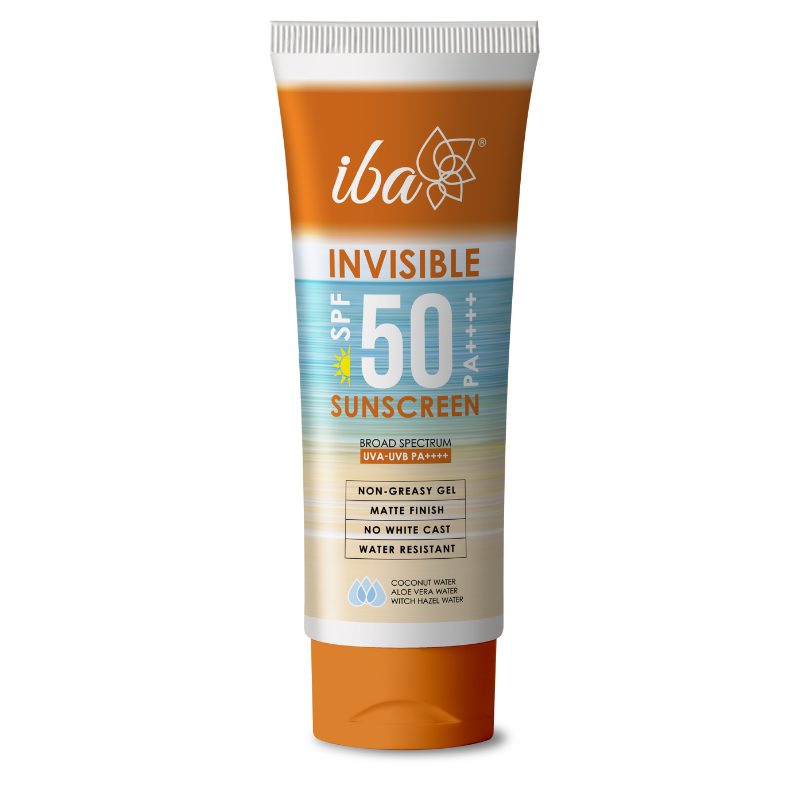
Gel sunscreens usually target oily skin because of their water-based texture. Dry skin users can still choose gels if the formula includes humectants like glycerin or aloe vera. Added hydrating ingredients prevent the lightweight texture from causing tightness.
Best Sunscreen for Dry Skin Women: What to Consider
Women with dry skin face unique challenges when selecting sun protection. Makeup compatibility, long-wear comfort, and skin tone concerns all play a role. Here’s a checklist for choosing the best sunscreen for dry skin in women:
- SPF 50 or higher – Provides strong UVB protection for Indian weather conditions
- PA++++ rating – Ensures maximum UVA defense against pigmentation and aging
- No white cast – Blends seamlessly into Indian skin tones
- Moisturizing base – Contains hydrating ingredients like glycerin or squalane
- Makeup-friendly – Sits smoothly under foundation without pilling
- Alcohol-free formula – Prevents further drying of already parched skin
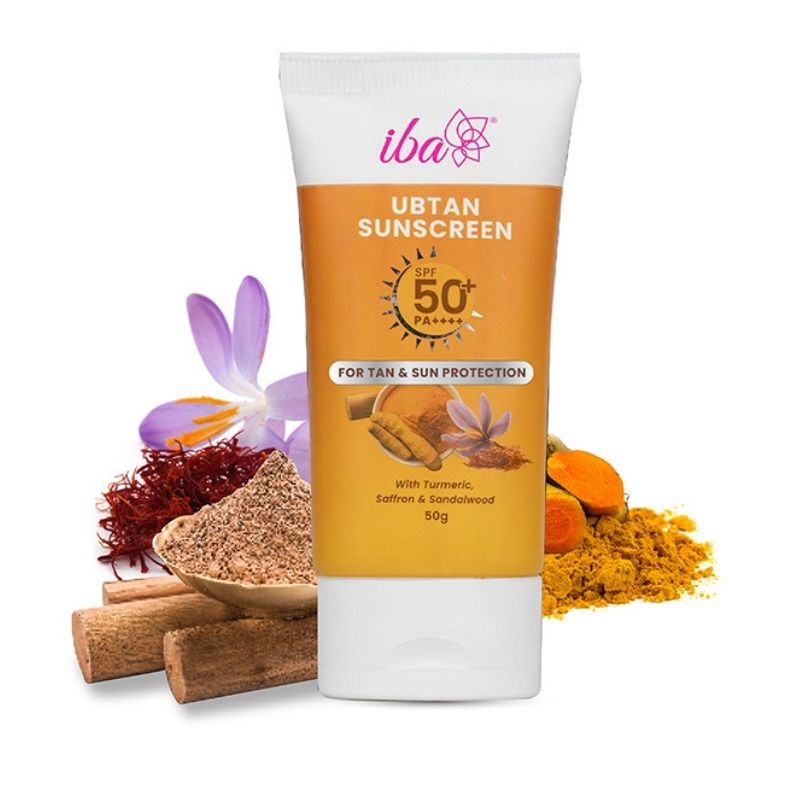
A sunscreen with ubtan-based ingredients like turmeric and saffron works particularly well for Indian skin. Natural actives brighten the complexion while fighting tan and dullness. Products with SPF 50 PA++++ protection offer reliable daily defense without compromising on hydration.
How to Apply Sunscreen on Dry Skin
Even the best moisturizing SPF for dry skin won't work properly without correct application.
Step-by-step routine:
- Cleanse your face with a gentle, non-stripping cleanser
- Apply a hydrating toner to damp skin
- Layer your moisturizer or face cream and let it absorb
- Take two finger-lengths of sunscreen and dot across forehead, cheeks, nose, and chin
- Blend outward using gentle patting motions
- Extend coverage to the ears, neck, and exposed areas
- Wait 15 minutes before applying makeup or stepping outside
For outdoor activities, reapply every two to three hours.
Common Mistakes When Using Sunscreen on Dry Skin
Avoiding these errors keeps your skin protected and comfortable.
- Skipping moisturizer underneath – Sunscreen alone may not hydrate very dry skin
- Using too little product – Under-application reduces SPF effectiveness
- Choosing matte formulas – Oil-control sunscreens worsen dryness
- Not reapplying throughout the day – Protection fades with sweat and time
- Ignoring the neck and hands – Sun damage affects these areas equally
Summing Up
Healthy sun protection for dry skin depends on both hydration and UV defense. Ingredients like hyaluronic acid, glycerin, squalane, and shea butter help maintain moisture while SPF shields the skin from sun damage. Choosing the right formula helps your skin stay soft, smooth, and protected throughout the day.
Good skincare should also be easy to access. The Iba Cosmetics Coupon Codes Page lists current deals on moisturizing sunscreens and everyday skincare essentials.
Frequently Asked Questions
Q. What sunscreen is better for dry skin?
Cream-based or lotion sunscreens with hydrating ingredients like hyaluronic acid, glycerin, and shea butter work best. Look for alcohol-free formulas with SPF 50 and PA++++ ratings.
Q. What type of sunscreen is best for hyperpigmentation?
Broad-spectrum sunscreens with PA++++ ratings protect against UVA rays that cause dark spots. Ingredients like turmeric and saffron help brighten existing pigmentation while preventing new spots.
Q. Which is the no. 1 sunscreen?
The best sunscreen depends on your skin type. For dry skin, prioritize hydrating formulas with high SPF and PA ratings. Vegan and halal-certified options offer gentle protection.
Q. Can I use sunscreen without moisturizer if I have dry skin?
Layering moisturizer under sunscreen is recommended for dry skin types. A hydrating sunscreen adds protection but may not replace your regular moisturizer entirely.
Q. How often should I reapply sunscreen on dry skin?
Reapply every two to three hours when outdoors. Indoor activities with minimal sun exposure allow for longer gaps between applications.