
Ever wondered why your makeup looks flawless at 9 AM but patchy by noon? The missing step is almost always a primer. A good face primer smooths out your skin, fills in pores, and gives your foundation something to grip onto, so your makeup stays put through heat, humidity, and a full day.
But not every primer suits every skin type. Oily skin needs a mattifying base, dry skin needs hydration, and combination skin needs a balance of both. Here is how to choose the right primer for your skin and the top picks worth trying.
What Does a Primer Actually Do?
A primer sits between your skincare and your makeup, creating a smoother, longer-lasting base.
- Fills in pores and fine lines for a smoother canvas that foundation glides over
- Controls oil in the T-zone for matte-skin types that struggle with midday shine
- Hydrates and plumps for dry skin that needs moisture before foundation goes on
- Extends makeup wear from a few hours to a full-day hold
- Evens out skin texture so foundation does not settle into uneven patches or dry spots
Best Face Primers For All Skin Types In India
Each skin type needs a different base to perform its best under makeup.
Quick Comparison:
|
Skin Type |
Ideal Finish |
Key Ingredients |
What to Avoid |
|
Oily |
Matte |
Silica, niacinamide |
Oils, dewy finishes |
|
Dry |
Dewy, luminous |
Hyaluronic acid, glycerin |
Mattifying formulas |
|
Combination |
Balanced |
Lightweight moisturizers |
Heavy, occlusive bases |
|
Sensitive |
Neutral, calming |
Aloe vera, chamomile |
Fragrance, silicones |
|
Normal |
Subtle glow |
Vitamin C, light oils |
Nothing specific |
Oily Skin
Oily skin needs a mattifying primer that absorbs excess oil and prevents shine. Silicone-based or water-based formulas labelled "oil-free" and "pore-minimizing" work best. Avoid dewy or illuminating primers, which add unwanted shine.
Dry Skin
Dry skin benefits from hydrating, dewy-finish primers that add moisture before foundation. Ingredients like hyaluronic acid, glycerin, and natural oils keep skin plump and prevent foundation from clinging to dry patches.
Combination Skin
Combination skin needs a primer that controls oil in the T-zone without drying out cheeks. A lightweight, quick-absorbing formula works best.
Sensitive Skin
Sensitive skin should stick to fragrance-free, hypoallergenic primers. Avoid silicones if they trigger irritation. Calming ingredients like aloe vera or chamomile help keep skin comfortable under makeup.
Normal Skin
Normal skin has the most flexibility. A lightweight primer that adds a subtle glow without heaviness is ideal. A serum-style primer with hydrating actives works well as both skincare and makeup prep.
Top Picks to Try from the Iba Primer Range
If you are looking for accessible options across finishes, here are a few primers that cover different skin needs and makeup styles:
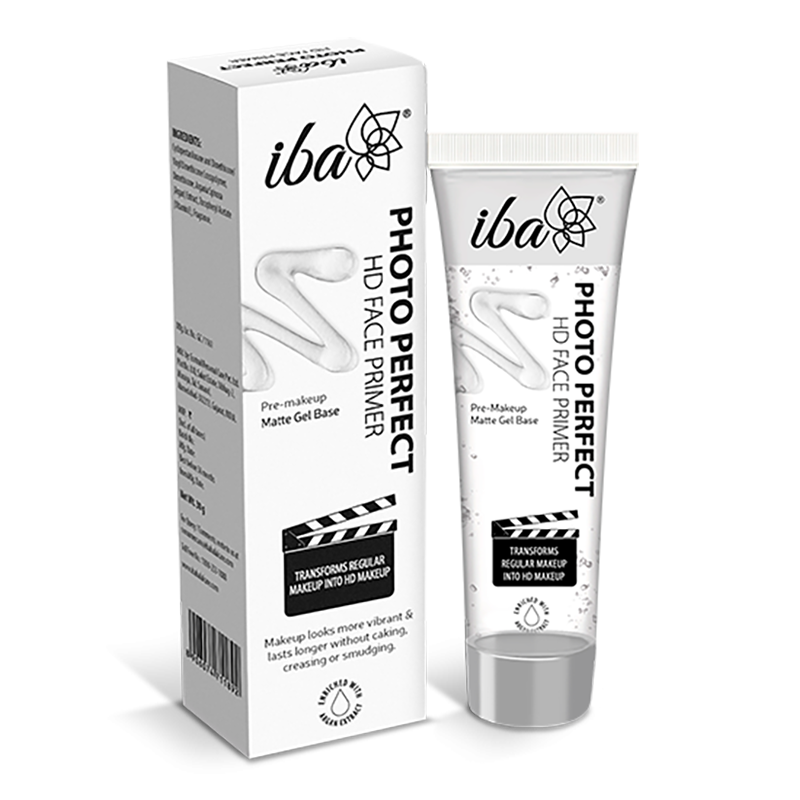
Iba Photo Perfect HD Face Primer
A matte, pore-blurring primer designed to smooth texture and control shine. Works well for oily and combination skin, especially in humid conditions.
- Smoothes and mattifies skin
- Minimizes pores and fine lines
- Helps makeup stay in place longer
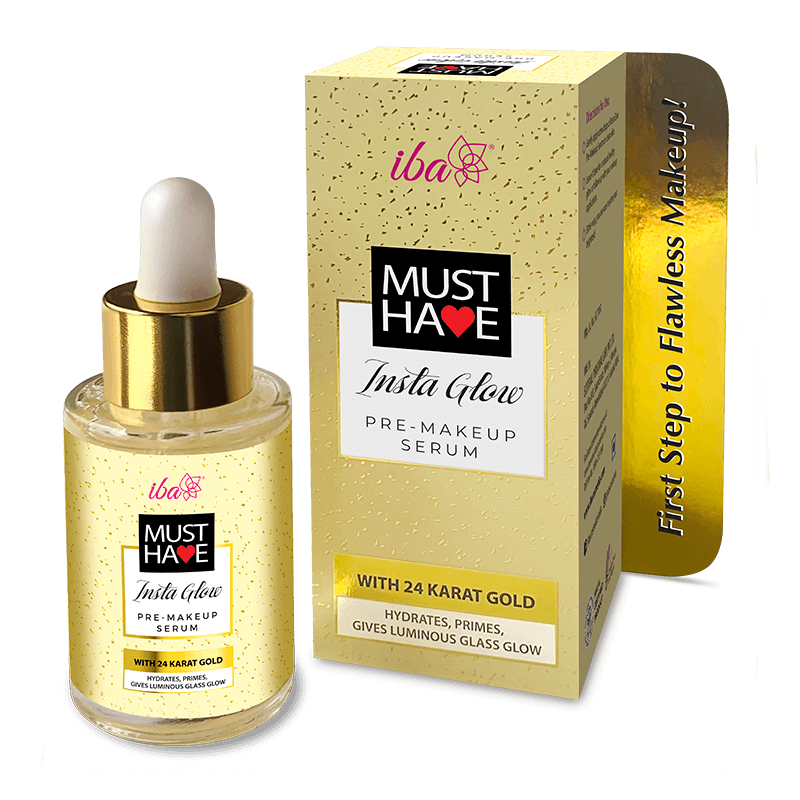
Iba Must Have Insta Glow Pre-Makeup Serum
A hybrid primer-serum that focuses on hydration and glow. Suitable for dry to normal skin or for creating a dewy base.
- Gives a luminous, glass-like glow
- Hydrates while prepping skin
- Lightweight and comfortable for daily wear
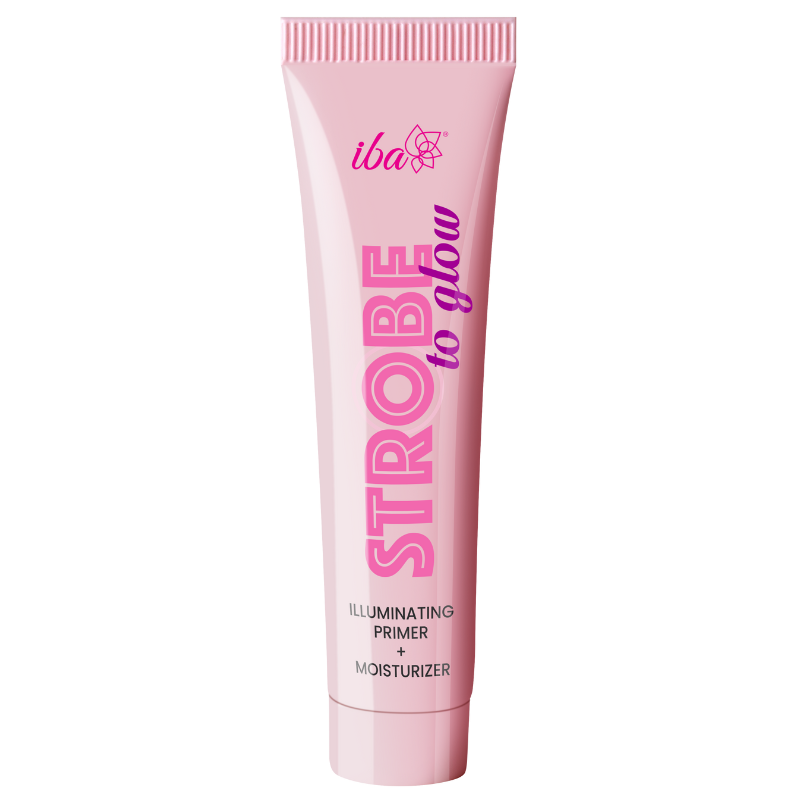
Iba Strobe to Glow Illuminating Primer + Moisturizer
A 2-in-1 primer that combines skincare and makeup prep, ideal for quick routines and subtle radiance.
- Adds a soft, illuminating finish
- Preps and moisturizes skin
- Contains Vitamin C and botanical extracts
How to Apply Primer Correctly
Getting the application right ensures your primer does its job all day.
- Step 1: Start with Clean Skin- Cleanse, apply moisturizer, and let your sunscreen set fully before touching primer.
- Step 2: Use a Pea-Sized Amount- A little goes a long way. Over-applying primer can make makeup pill or slide instead of setting.
- Step 3: Dot and Blend Outward- Place small dots on the forehead, nose, cheeks, and chin. Blend outward using fingers or a damp makeup sponge.
- Step 4: Wait Before Foundation- Give the primer 1 to 2 minutes to set. Applying the foundation too soon can mix the layers and reduce effectiveness.
Conclusion
A face primer for long-lasting makeup is not a luxury step. For anyone in India dealing with heat, humidity, and long hours, primer is what keeps your base intact. If you have oily skin, go for a mattifying texture, while dry skin people often benefit from a hydrating formula.
If you are building a reliable base routine, start with a primer that suits your skin type and finish preference. For current offers on Iba primers and makeup, visit the Iba Cosmetics Coupon Codes Page. The right base makes every makeup look easier, smoother, and far more long-lasting.
FAQs
Q. Do I really need a primer?
If you want your makeup to last through heat, humidity, and a long day, yes. Primer makes a clear difference in how smoothly the foundation applies and how long it stays.
Q. Can I use primer without foundation?
Yes, depending on your makeup routine. If you prefer minimal makeup, primer alone can smooth texture and control shine. For a more polished look, you can layer it with products like BB cream or compact.
Q. Which primer is best for oily skin?
Mattifying, silicone-based, or water-based primers that control oil and minimize pores. Avoid dewy or illuminating formulas.
Q. How long does primer make makeup last?
A good primer can extend makeup wear by 4 to 8 hours, depending on the formula and the climate.
Q. Which primer is best for combination skin?
A lightweight, balancing primer that controls oil in the T-zone while keeping cheeks hydrated works best. Gel-based or hybrid formulas are ideal.
Q. Is primer necessary for daily makeup?
For long wear and smoother application, yes. Even a small amount helps control oil, blur texture, and improve overall finish.