
If you scroll through skincare trends, you will notice ice facials everywhere. Videos tagged #icefacial have been viewed more than 600 million times on TikTok, and beauty enthusiasts swear by the cooling ritual. But does rubbing ice on your face actually work, or are we all chasing a fleeting fad?
The good news is that facial icing offers real, short-term benefits when done correctly. While claims about ice facials are only supported by anecdotal evidence rather than extensive clinical trials, dermatologists agree that ice can provide immediate relief for puffiness, redness, and dullness.
Here, we will walk through the proven benefits of ice on the face, how to incorporate icing into your routine safely, and when you should avoid cold treatments altogether.
How Ice Works on Skin
Cold temperatures cause blood vessels to constrict, reducing blood flow to the area. When you remove the ice, blood rushes back, bringing fresh oxygen and nutrients to the surface. The result is tighter, brighter skin, at least temporarily.
Ice also numbs nerve endings, which can calm irritation from inflamed acne. However, ice therapy hasn't been tested in formal clinical trials, which means scientists don't fully understand how it works for everyone. The benefits are temporary and work best as a supportive tool, not a replacement for your regular skincare routine.
Reduces Morning Puffiness
Waking up with a puffy face happens to everyone. Fluid accumulates overnight, especially around the eyes, leaving you looking tired.
Ice helps by constricting blood vessels to minimize swelling, draining excess fluid through lymphatic stimulation, and tightening skin for a refreshed appearance.
Gently glide an ice cube wrapped in a soft cloth across your cheeks, under-eye area, and jawline for 1 to 2 minutes.
Improves Circulation for Natural Glow
When cold restricts blood flow, your body compensates by rushing oxygenated blood back to the surface once you stop icing. The result is rosy, radiant skin that looks healthier and more awake.
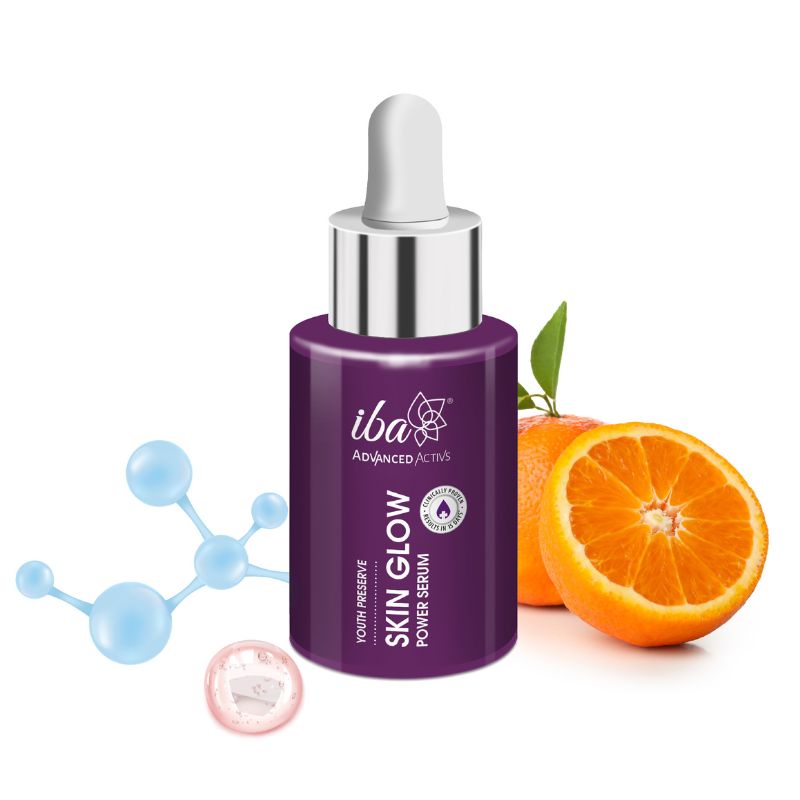
Ice your face after cleansing and before applying serum using gentle, circular motions. The increased circulation helps your skin absorb active ingredients more effectively. Adding Iba’s Vitamin C Serum after icing amplifies brightness and evens out skin tone over time.
Calms Inflamed Acne and Redness
Acne inflammation can be painful and stubborn. Ice provides quick, temporary relief by numbing the area and reducing swelling.
When you have an angry pimple:
- Wrap an ice cube in a clean cloth
- Hold it gently on the blemish for 30 seconds to 1 minute
- Avoid rubbing or pressing too hard
- Follow with your regular acne treatment
Ice works best on single, inflamed breakouts, not cystic acne or widespread irritation. For deeper acne concerns, consult a dermatologist and maintain a consistent routine with gentle, halal-certified products that respect your skin barrier.
Tightens Pores Before Makeup
Makeup artists have long used ice to prep skin before foundation. The cold temporarily tightens pores, reduces oiliness, and creates a smoother canvas for makeup. Your foundation glides on more evenly, and your look lasts longer.
To prep your skin, cleanse thoroughly, glide an ice cube across your T-zone, pat dry, and apply primer as usual. Just remember that pore tightening from ice is temporary. For long-term pore refinement, focus on regular exfoliation and hydration.
Enhances Product Absorption
Icing before skincare can boost how well your products work. When your skin cools down, it temporarily tightens. Once it warms up, blood flow increases, helping active ingredients penetrate deeper.
Ice your face for 1 to 2 minutes, wait 30 seconds, then apply hyaluronic acid, niacinamide, or vitamin C serum. Seal with a nourishing moisturizer. Choose products formulated with plant-based, alcohol-free ingredients to support your skin barrier.
How to Ice Your Face Safely
Icing offers real benefits, but only when done correctly. Applying ice directly to your skin can cause frostbite, broken capillaries, or irritation.
Follow these steps for a safe, effective routine:
- Cleanse your face with a gentle, sulfate-free cleanser
- Wrap an ice cube in a soft, clean cloth or plastic bag
- Glide the wrapped ice over your face in circular motions
- Spend no more than 30 seconds on each area
- Total icing time should stay under 2 minutes
- Pat your skin dry and apply your regular skincare products
You can repeat facial icing 2 to 3 times per week. More frequent use can dry out your skin or cause sensitivity, especially during colder months.
When to Avoid Icing
Ice facials are not for everyone. People with dry or sensitive skin, as well as those with rosacea, should stay away from ice facials, as the cold can be irritating and cause flaking and redness.
Avoid icing if you have rosacea, broken capillaries, extremely dry or flaky skin, open wounds, or cold urticaria (allergic reaction to cold).
If you experience stinging, prolonged redness, or discomfort, stop immediately. Listen to your skin and adjust your routine based on how you feel.
Final Thoughts
Ice facials offer simple, natural benefits when used correctly. Cold therapy reduces puffiness, improves circulation, calms inflammation, and preps your skin for better product absorption. While the results are temporary, many people find icing a refreshing addition to their routine.
Pair your icing ritual with gentle, halal-certified skincare products that nourish and protect your skin naturally. Healthy skin starts with respect, patience, and ingredients that work in harmony with your body.
Frequently Asked Questions
Q. Can I apply ice directly to my face?
No, never apply ice directly to bare skin. Always wrap ice cubes in a soft cloth or place them in a plastic bag. Direct contact can cause frostbite, irritation, or damage to delicate facial skin. Keep the ice moving and limit contact to 30 seconds per area.
Q. How often should I ice my face?
Two to three times per week works well for most skin types. Daily icing can dry out your skin or cause sensitivity. Pay attention to how your skin responds and adjust frequency accordingly. Morning icing works best for reducing puffiness, while evening sessions can calm redness after a long day.
Q. Does ice really shrink pores?
Ice temporarily tightens pores by constricting blood vessels and cooling the skin. The effect lasts only a short time. For lasting pore refinement, maintain a consistent skincare routine with regular exfoliation, hydration, and sun protection. Healthy, moisturized skin always looks smoother.
Q. Can ice help with acne scars?
Ice reduces inflammation and redness from active acne, but it does not treat scars. Acne scars require targeted treatments like retinoids, vitamin C, niacinamide, or professional procedures. Focus on preventing new breakouts and nourishing your skin with halal-certified, plant-based products that support healing.
Q. What are the best times to ice your face?
Morning icing reduces puffiness and wakes up your skin. Evening icing calms redness and preps your face for overnight skincare. Ice after cleansing and before applying serums or moisturizers for the best results. Avoid icing right before bed if cold sensations make it hard to relax.